October 22, 2026
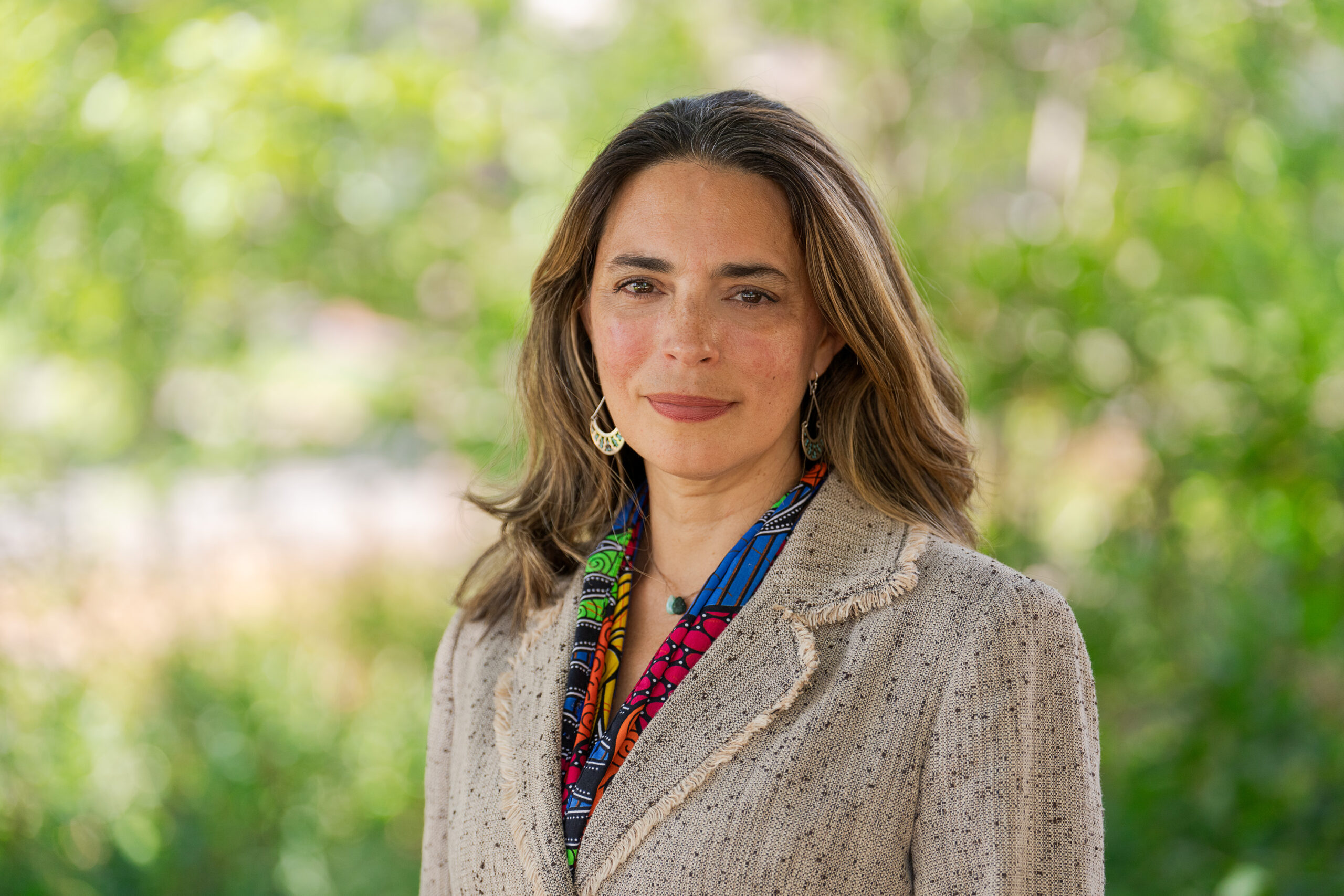
A conversation with nutrition scientist Uriyoán Colón-Ramos
Colón-Ramos examines how policy and food environments interact to influence what people eat and how to effect lasting change


A live podcast taping at WashU will challenge experts with differing perspectives to navigate a hypothetical pandemic as it unfolds
A new virus is spreading. Scientists are still trying to understand it. Public health officials face mounting pressure to act, but experts and the public are divided over what those actions should be. Who gets to decide what happens next, and why should we trust them to make the right decisions?
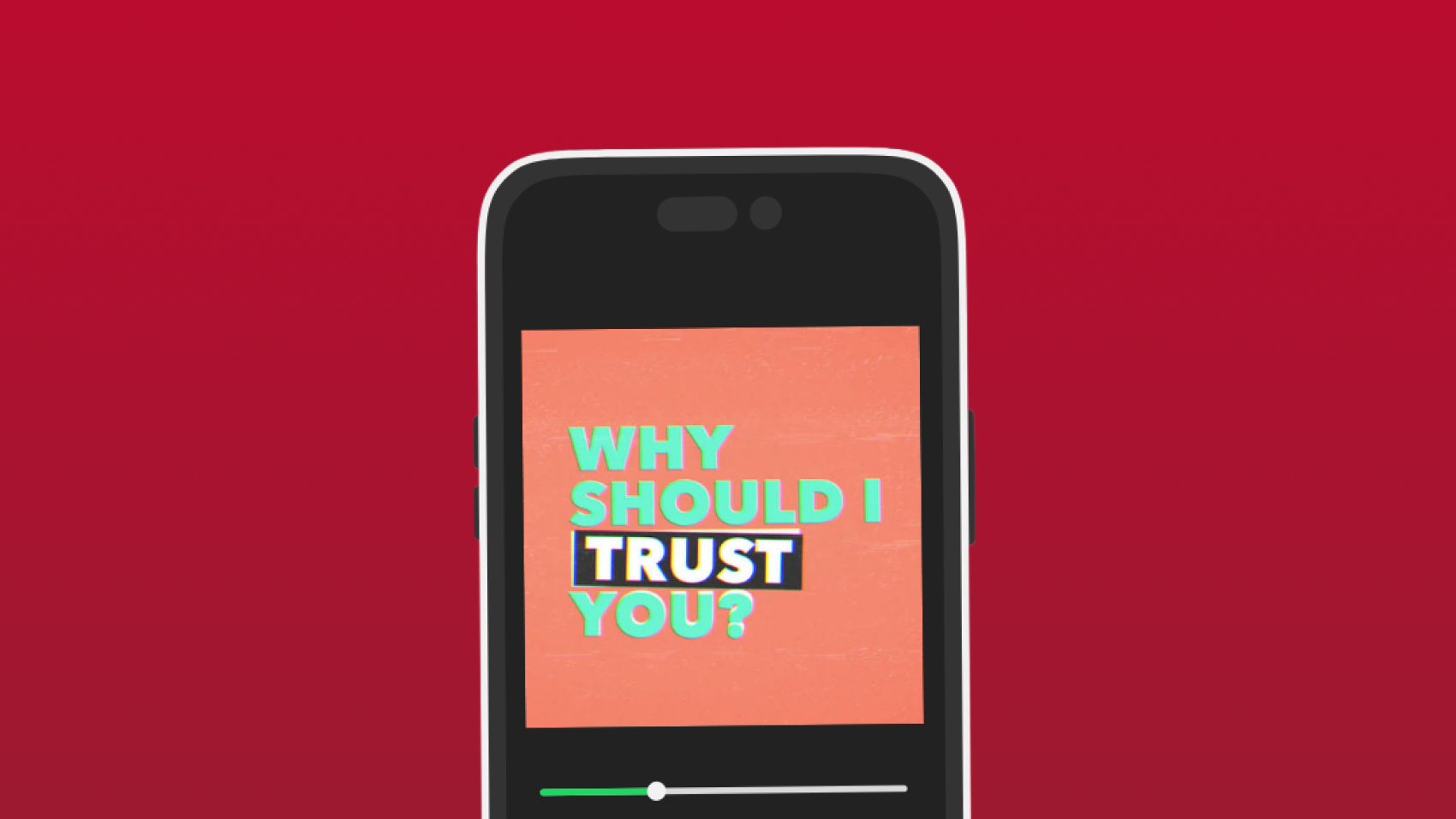
More than six years after COVID-19 began, those questions remain relevant. On October 27, the Andrew M. and Jane M. Bursky School of Public Health at Washington University in St. Louis will host a live taping of the “Why Should I Trust You?” podcast, bringing together four panelists with differing perspectives to confront some of the most difficult decisions of a public health crisis. “Why Should I Trust You?” is a weekly podcast co-hosted by journalist Brinda Adhikari that offers a bold, unfiltered look at the collapse of public trust in science, medicine, public health and AI.
“Enough time has passed that we have enough distance to talk about the pandemic without it being quite as emotionally charged. But we must embrace that opportunity, engage, and not be afraid to have tough conversations,” said Brinda Adhikari, one of the podcast’s hosts. “There will be another pandemic. Looking ahead, thinking as a community can build trust. People want to feel a sense of agency over decisions.”
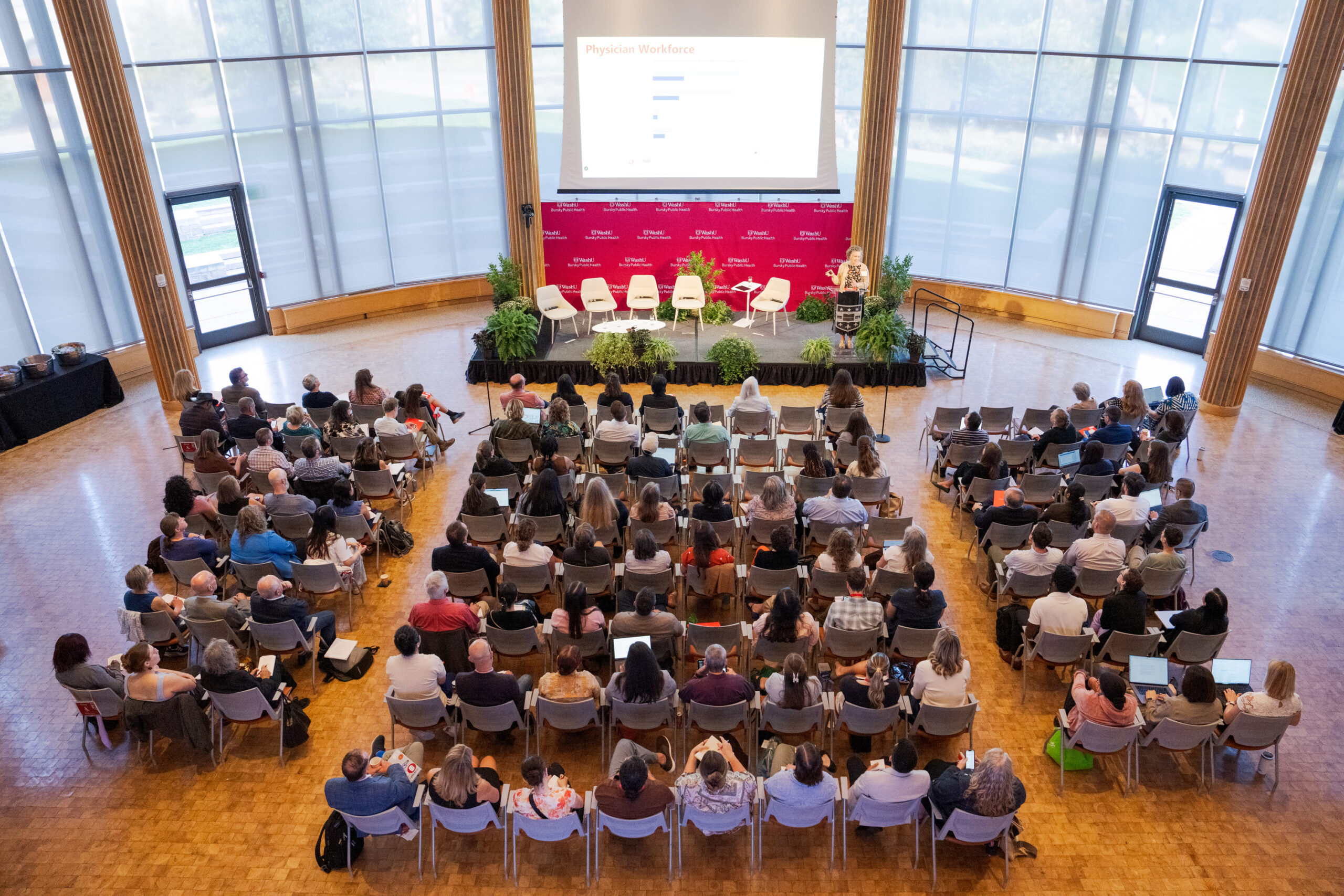
The event will take place from 4 to 6 p.m. CDT in Holmes Lounge on WashU's Danforth campus, with an option to attend virtually.
The panelists will be placed in the middle of a hypothetical pandemic and asked to make decisions in real time as the outbreak unfolds and new information emerges. They will grapple with questions about disease mitigation, public health interventions, communication and how to balance individual freedoms with collective safety.
The discussion will feature Nahid Bhadelia, MD, MALD, the founding director of Boston University's Center on Emerging Infectious Diseases and former White House senior policy advisor for global COVID-19 response; Jeffery Hutt, a political strategist and former national field director for Robert F. Kennedy Jr.'s independent presidential campaign; Katherine Wells, DrPH, MPH, the director of public health for the city of Lubbock, Texas; and David Zweig, a journalist and author of the book “An Abundance of Caution.”
The live taping will be followed by an opportunity for audience discussion and questions.
Register to attend the October 27 event.
Judith Mwobobia, MPH, is the inaugural Writing Fellow for the Bursky School of Public Health Office of Communications. Mwobobia is a PhD student in public health sciences and previously was a journalist in Kenya. She writes profiles and helps cover the news of the school, with a particular focus on student- and education-related stories.
October 22, 2026
Colón-Ramos examines how policy and food environments interact to influence what people eat and how to effect lasting change
October 16, 2026
Projects explore the connections among food, agriculture, environmental sustainability and human health
October 16, 2026
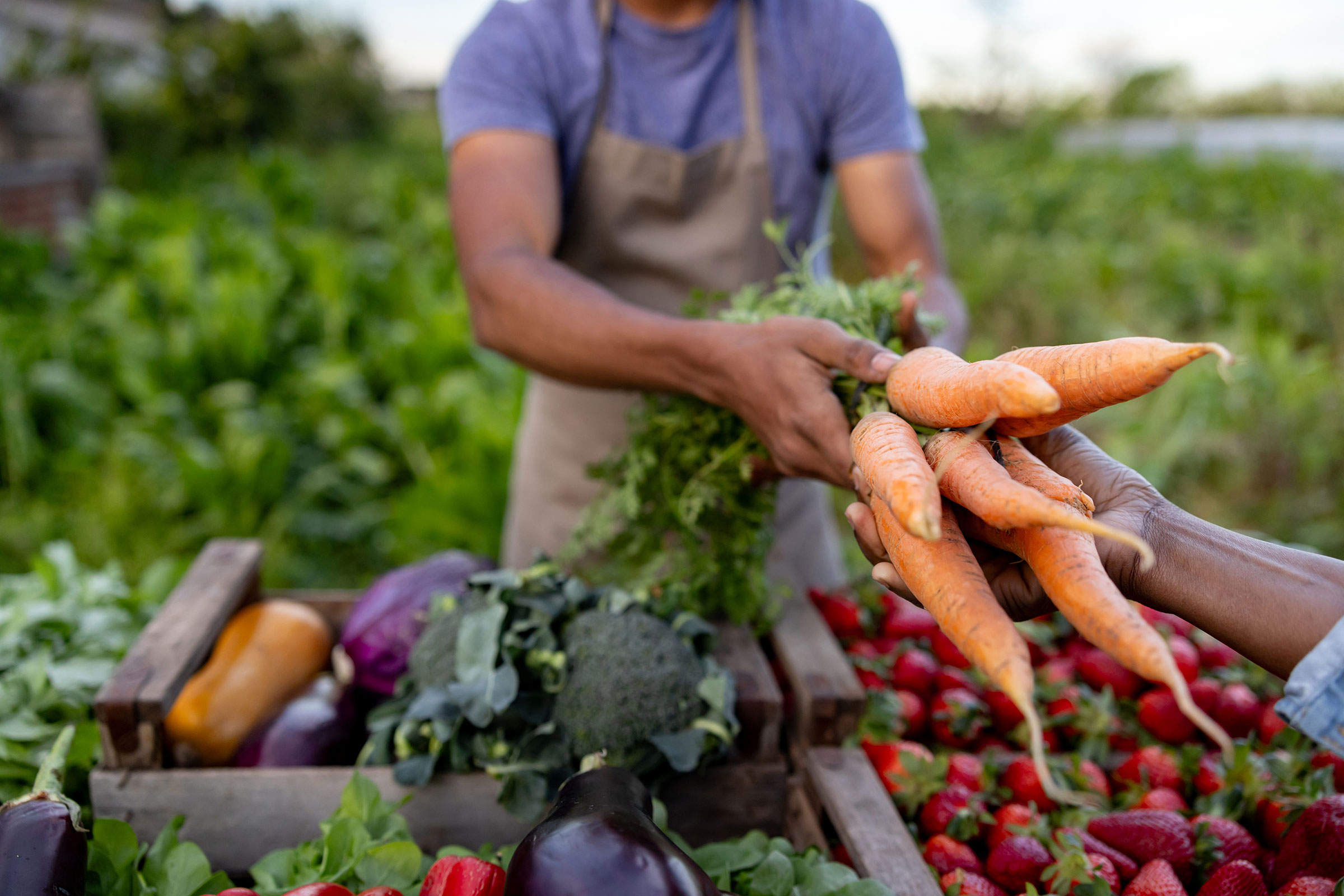
Forum explored how rural health, food systems, agriculture and nutrition interact to impact public health and well-being