October 16, 2026
Finding a way to healthy food systems and healthy people
Forum explored how rural health, food systems, agriculture and nutrition interact to impact public health and well-being


Projects explore the connections among food, agriculture, environmental sustainability and human health
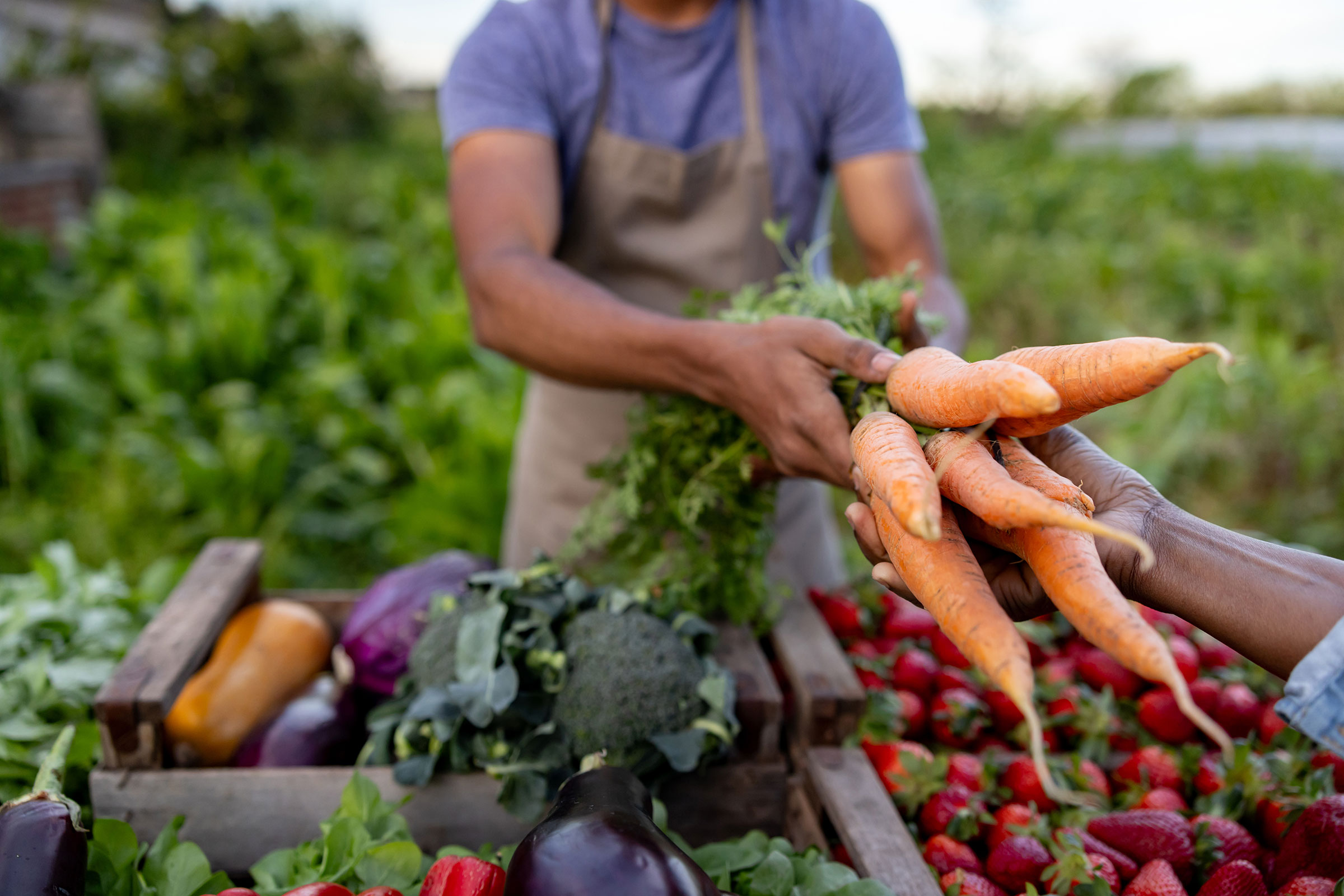
From turning agricultural byproducts into ingredients that support gut health to examining how food delivery apps influence eating habits, five Washington University in St. Louis research teams have received 2026 Cultivate grants to advance innovative approaches to food, agriculture and public health.
The projects also will investigate cleaner alternatives to coal, the health and environmental benefits of Food is Medicine programs, and the potential of urban food forests to improve nutrition and strengthen communities.
Cultivate is a funding initiative of the Food and Agriculture Research Mission (FARM) at Andrew M. and Jane M. Bursky School of Public Health at Washington University in St. Louis. FARM invests in practical, scalable solutions that connect agriculture, nutrition and public health to build healthier, more resilient communities.
The grants program has two tracks. Track 1 provides awards of up to $40,000 for one year to help early-stage investigators develop and launch new research ideas. Track 2 provides up to $250,000 over two to three years for interdisciplinary teams pursuing larger collaborative research efforts.
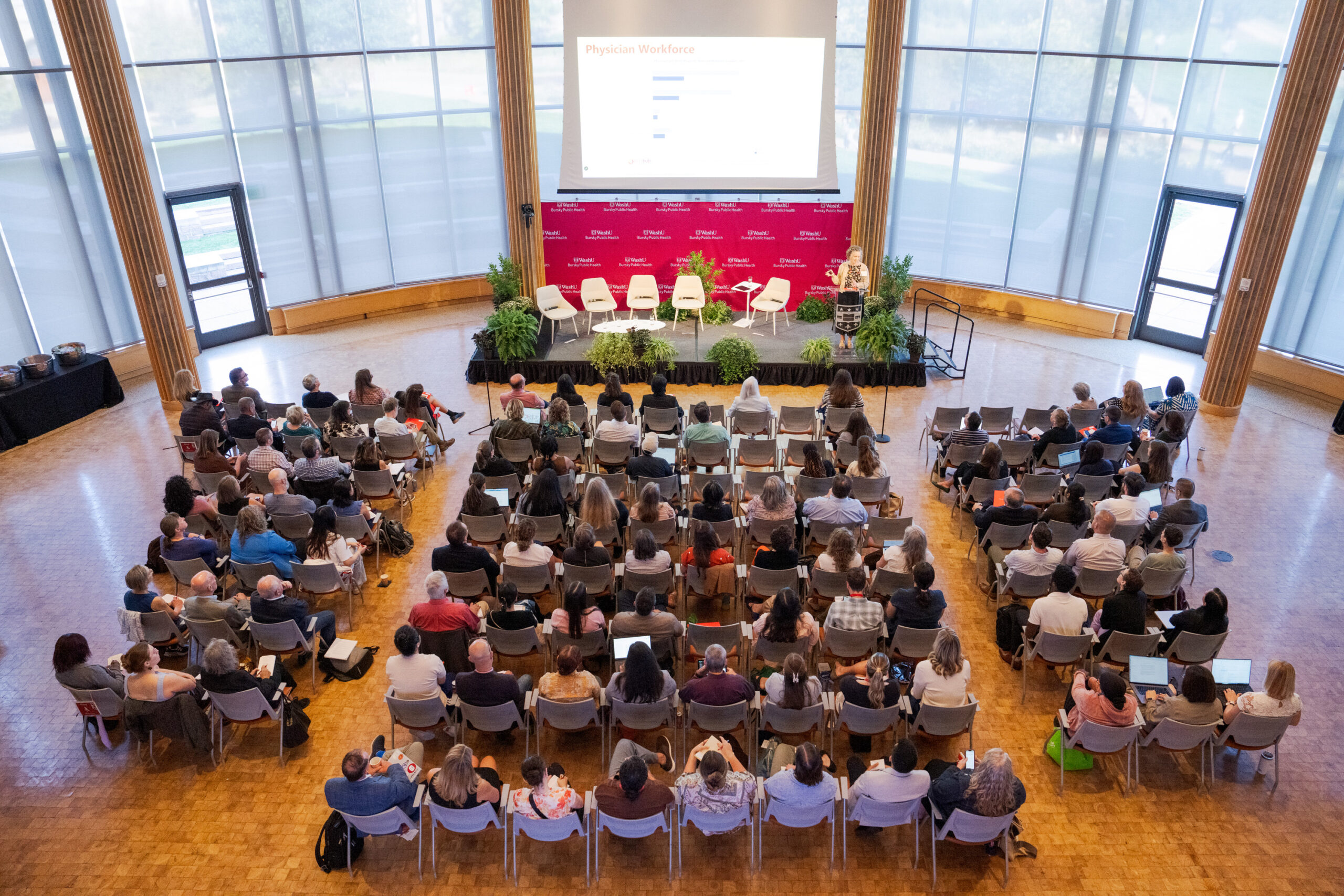
Mark Doyle, senior network manager for FARM, announced the five recipients at the mission’s second annual convening, FARM Food Futures Forum: From Rural Health to Food Security, on October 13.
"One of our primary goals through FARM is to catalyze high-impact, interdisciplinary research that advances knowledge and innovation across food, agriculture and public health," Doyle said. "The Cultivate Grant Fund is an important mechanism to put those goals into practice."
The trillions of bacteria that live in our digestive tract play a pivotal role in our health. Research suggests that specific dietary fiber types promote the growth of beneficial bacteria in the gut. Hibberd's project will investigate whether agricultural byproducts — like those of corn, wheat or soy processing, common in the Midwest — could serve as affordable sources of these beneficial fibers, which could aid efforts to address childhood undernutrition and other diet-related health conditions.
Using bacterial genetic information and growth studies, researchers will identify and test connections between beneficial gut bacteria and the specific plant fibers they can metabolize. The goal is to develop a framework for selecting locally available ingredients that could be incorporated into foods that work through the microbiome to support human health.
Food delivery platforms such as Uber Eats and DoorDash increasingly shape what consumers eat, using algorithms to determine which restaurants and meals appear in search results, how options are ranked and which advertisements users see. Yet little is known about how these systems influence food choices.
Huang's project will use simulated users to examine how recommendations change in response to ordering habits and preferences involving price, convenience and health. Researchers will use the findings to develop an alternative recommendation algorithm that considers both nutritional quality and individual preferences, exploring how digital platforms could encourage healthier eating.
Herbicides are widely used in corn production but can increase costs for farmers and pose risks to human and environmental health. At the same time, coal-fired electricity generation remains an important source of air pollution in Missouri.
Xu's project will investigate whether intercropping — growing additional crops alongside corn — could help address both challenges by reducing reliance on herbicides while producing biomass for use as an alternative fuel. Through controlled field trials, researchers will measure herbicide use and residues in soil. Laboratory tests will compare emissions of fine particulate matter, sulfur dioxide and precursors of organic pollutants from biomass-derived fuel and coal. The findings will help assess whether the approach could reduce agricultural pollution while providing a potentially cleaner energy source.
Food is Medicine (FIM) programs integrate nutritious foods into healthcare to help prevent, manage and treat diet-related chronic diseases. Although these programs are expanding, questions remain about which approaches work best for different populations and how food production, sourcing and transportation affect environmental sustainability.
Building on an existing international research consortium, Huffman's team will examine clinical trial evidence involving more than 36,000 participants to better understand the effectiveness of Food is Medicine interventions. Researchers also will pilot artificial intelligence tools to evaluate the nutritional composition and sourcing of foods provided through these programs. Interviews with researchers and practitioners will explore how local food sourcing and regenerative agriculture can be incorporated into Food is Medicine initiatives, with the aim of informing more effective and sustainable approaches.
Urban food forests bring together fruit and nut trees, shrubs and other edible plants in landscapes designed to mimic natural woodland ecosystems. They offer opportunities to increase access to nutritious foods while supporting environmental health, but questions remain about food safety, community use and opportunities for expansion.
Iannotti's CANOPY project will study existing urban food forests across St. Louis, examining food production, community experiences and the nutritional quality and safety of foods grown at selected sites. Researchers will collect soil and food samples to measure metal contaminants, micronutrients and other properties. Working with community partners, the team also will explore ways to improve food forest productivity by optimizing plant diversity and food production.
The findings could help communities better understand the benefits and challenges of urban food forests and inform efforts to expand these systems as a source of nutritious, locally grown food.
October 16, 2026
Forum explored how rural health, food systems, agriculture and nutrition interact to impact public health and well-being
WashU's The Source
October 16, 2026
Spielman brings decades of experience in global food policy and economics to his current research on food systems, innovation and rural health
October 16, 2026
Zhang works to promote healthy aging through better care and innovation