October 22, 2026
When the next pandemic hits, whom should we trust?
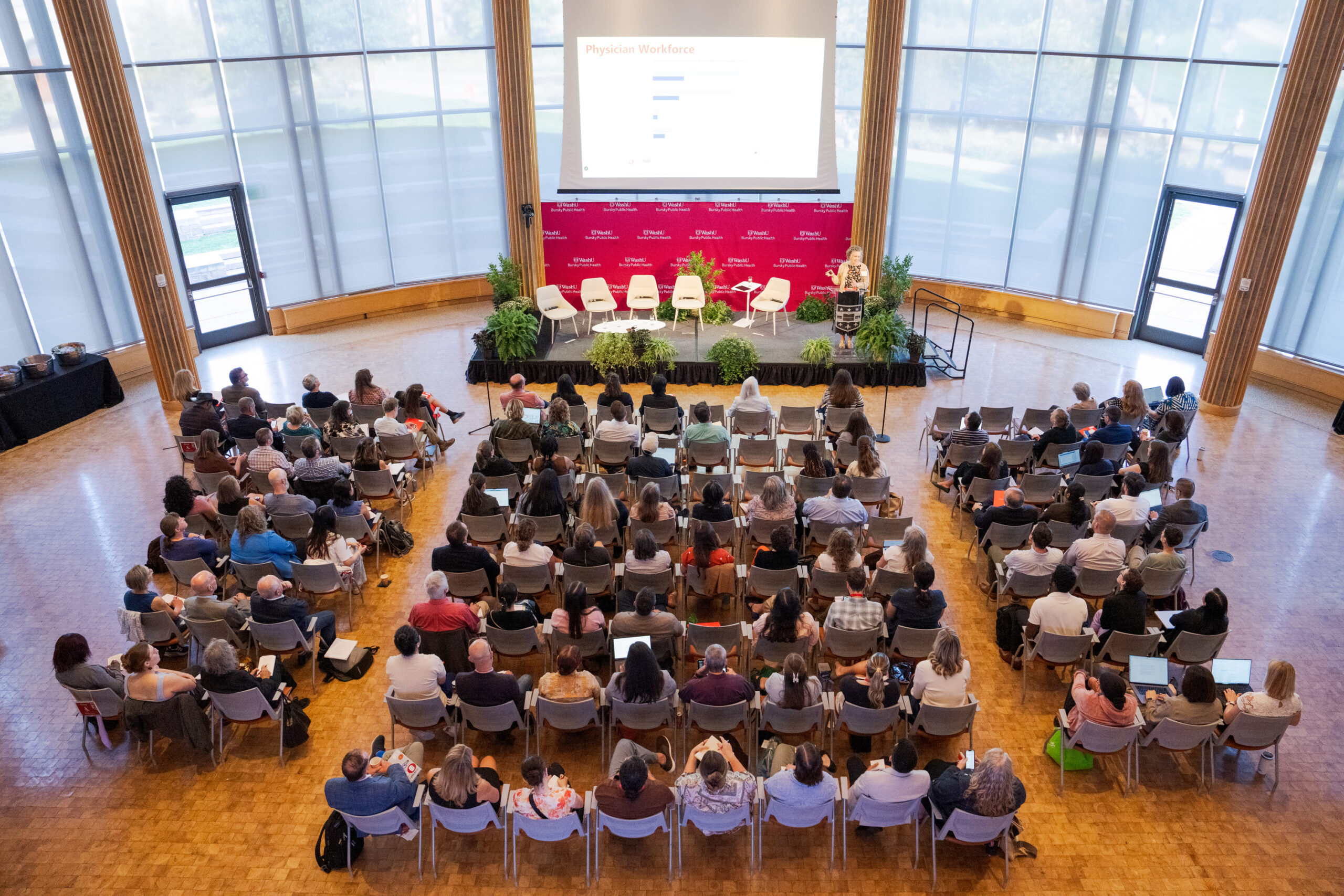
A live podcast taping at WashU will challenge experts with differing perspectives to navigate a hypothetical pandemic as it unfolds



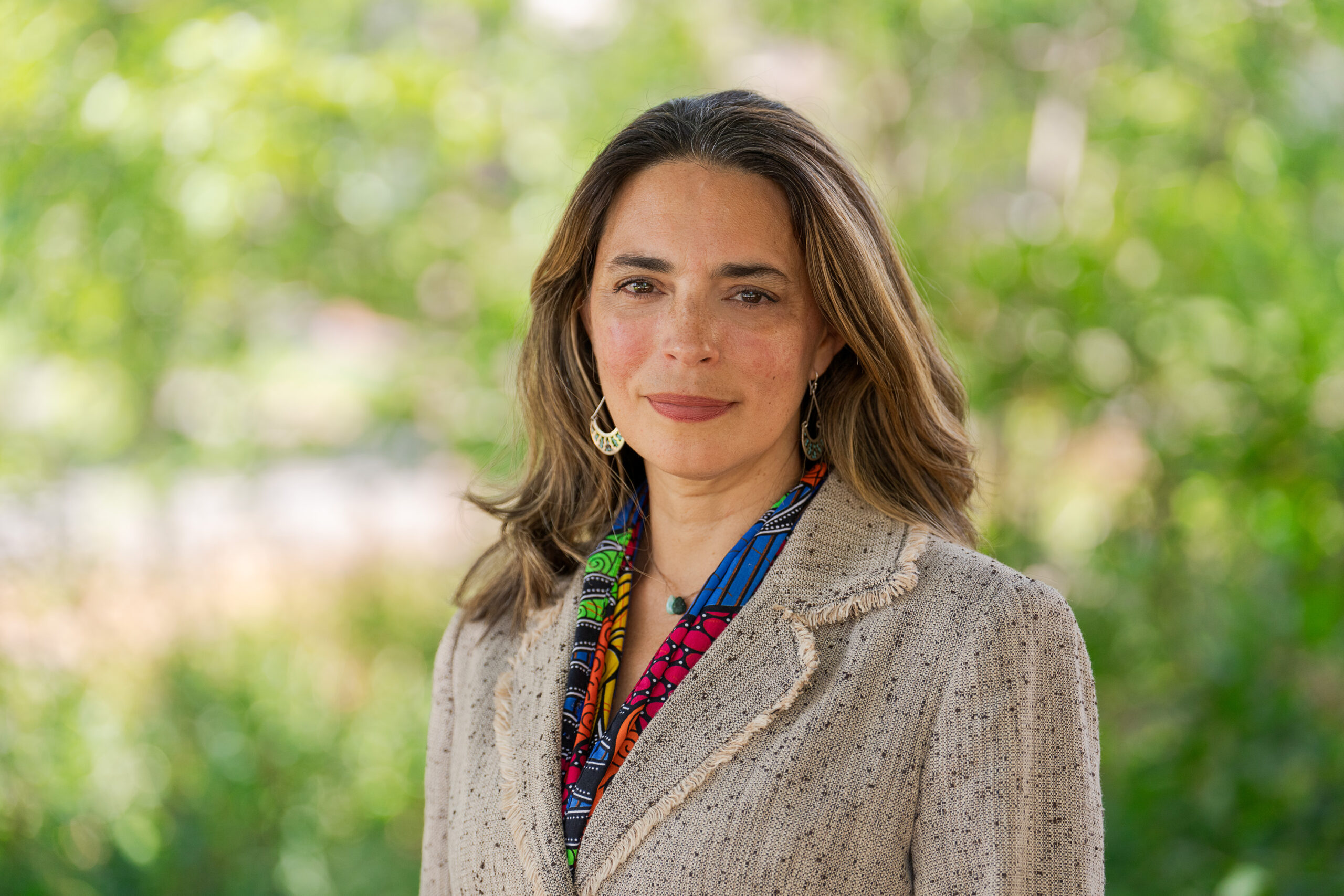
Colón-Ramos examines how policy and food environments interact to influence what people eat and how to effect lasting change
For Uriyoán Colón-Ramos, ScD, MPA, an associate professor at the Andrew M. and Jane M. Bursky School of Public Health at Washington University in St. Louis, an interest in food began way before she became a nutrition researcher. But it wasn’t because she loved eating.
“I was an incredibly picky eater,” she recalled, laughing. “My mother would tell me what parents often tell their children: ‘There’s a child dying of hunger somewhere, so you should eat your food.’ And I would think, ‘Well, here’s my plate. Give it to that child!’”
What interested her more was the injustice of hunger and how to solve it. And one of her goals was to work with UNICEF or the World Food Programme.
That early curiosity eventually led her to Cornell University, where she designed an interdisciplinary undergraduate major examining nutrition through a sociological lens.
“The more I studied nutrition and hunger, the more I started looking at the policy side. I studied policy and public affairs, thinking the unequal distribution of food had more to do with policy than with its availability,” Colón-Ramos said. “Then, as I became more interested in what was happening in the Americas around hunger, I realized it was, in general, a slightly different kind of hunger. It was hunger for nutritious, healthy foods, foods that can protect and foster our well-being.”
Today, Colón-Ramos and her team at the Diet Disparities Co-Lab work with communities to identify the underlying socioecological drivers of what people eat, why they eat what they eat, and how to help them eat a diet that will support health. Here, she shares the goals and inspiration behind her work, along with the best career advice she ever received.
“I was really interested in the opportunities for interdisciplinary collaboration. When I was junior faculty at [George Washington University], I'd been to WashU twice for a summer program in cardiovascular genetic epidemiology for faculty, and I'd also done some systems science training with the SSSI. Through those experiences, I got to know faculty across different schools and became interested in combining systems science, biology and sociology to better understand nutrition.
“Interestingly, many years ago, at George Washington University, I worked on an international nutrition class that WashU’s Lora Iannotti had created. She left just before I joined the university, so I inherited the class and followed her work. The clincher was hearing that WashU, which was already a leading entity on systems science research and on implementation science, was starting a School of Public Health and was looking for researchers with expertise in food systems. I thought it was a great opportunity to combine the different strands of my research and learn from people across disciplines.”
“I grew up in Puerto Rico, so we had enough to eat. But later, I realized our calories weren't necessarily the best. What we learned in school about healthy eating and nutrition came imported from the United States. Puerto Rico is a U.S. territory, and that information often came in a different language, without being adapted to the realities of our communities. For example, we were told to eat apples, but we had never seen one in our lives. Maybe you'd seen one in the supermarket, but it tasted like cardboard and came wrapped in a million papers and plastics. And you'd think, ‘Why would I eat this?’ There's a real disconnect between the knowledge — what is told to people in our communities about what is best for them — and what's happening in the real world. That is also why I focus on communities to inform policy.”
“Right now, I'm spending a lot of my time working on an NIH-funded project called FRESH with independently owned restaurants in predominantly Latino immigrant communities just outside Washington, D.C., particularly Guatemalan and Salvadoran communities. We've worked in these communities for years, exploring how to increase access to healthier foods and beverages. One question we started with was why restaurants offered sugary drinks instead of water.
“Many of these restaurants prepare traditional homemade beverages with cultural significance that often contain a lot of added sugar. People generally know that sodas are high in sugar, but they may not think about homemade beverages in the same way. In the first phase of FRESH, we worked with restaurants to develop and promote three lower-sugar or zero-sugar beverages. In the second phase, restaurants are developing their own dishes that meet the Dietary Guidelines for Americans. The third phase focuses on whether these changes can be sustained. We're also working with a social media influencer to promote the healthier options.”
“I'm visiting restaurants right now to understand the point at which an owner decides it's no longer worth keeping a FRESH dish on the menu because it isn't selling. Restaurant owners want to collaborate, and they appreciate the university's involvement. But we also need to look at sales data and understand what would make this worthwhile for them. A lot depends on their customers. Some restaurants serve a diverse clientele who ask for salads and vegetarian options, so they offer them. Others cater primarily to Latino construction workers, and the owners might say, ‘None of this will sell. If I put a salad on the menu, I'll have to throw it away.’ We're trying to understand that tipping point. Can we make these dishes delicious, promote them effectively and demonstrate a potential return on investment for restaurant owners? We're using systems science to model what it would take to sustain these changes over time.”
“You can't just tell customers that something is healthy. People go to restaurants to enjoy themselves, not to be told what to eat. The food must be delicious. Getting restaurants on board isn't always easy. Many owners want to contribute, sometimes because they or their loved ones have experienced diet-related health challenges. Our team at the Diet Disparities Co-Lab also has longstanding relationships with these communities, which helped us recruit restaurants. But these are independent businesses, and participation is voluntary. Not every owner will be interested, especially when their priority is keeping the business running.”
“I want to increase the translation and impact of our research. Our research isn't clinical. We study human behavior within a society and we're part of that society. This means we are both the researcher and the subject matter, and finding lasting solutions will require introspection and doing the research to examine systems, study and propose interventions and inform policy. That is innate to human behavior science. And research can help us understand the social and economic forces involved in human behaviors. I often ask myself whether we're doing research for research's sake. I think in public health many of us want to go beyond studying problems to testing solutions that can create meaningful lasting impact, but change is best when informed by that process of introspection and research, ideally in teams that bring diverse perspectives to the interpretation of the data. That’s one reason I moved to WashU, to find that debate based on scientific methods.
“Before my PhD, I worked with the World Food Programme on school-feeding initiatives in different countries. I'd still love to work with organizations like UNICEF (to assure the little girl in me that I did it!).”
“Reach out to people you want to collaborate with, even if you just have a specific question or project in mind. I'm incredibly shy, and I tend to wait until things are nearly perfect before reaching out. But I've learned that ideas become better when you discuss them with people from other disciplines. The science improves, and it's much more fun. As a PhD student, another piece of advice was simply, ‘Just start writing.’ A colleague suggested starting with the methods, and that's something I still do. I write the methods, then the results, and use those to think through my hypothesis and what the data are telling me regarding that original hypothesis that I set put to test. I write the introduction last. Different advice has resonated with me at different stages of my career, but those two have really stayed with me.”
“I have three children, so I spend a lot of time with my teenagers, although they don't necessarily want to spend time with me! I also love painting and drawing. When I paint or draw, I am calm and gain clarity; I see parallels between art and science in that way. I can think through my science, or places where I became stuck, because as I create art, I can focus on the smallest details, step back to see the bigger picture, and then return to the details. There’s also something so creative about using the left and right brains to complement our blind spots. I also enjoy nature, biking and dancing. One of my favorite things about St. Louis is biking to work through the park. I notice so much more on a bike than I do in a car. I'm also fascinated by Missouri's history and looking forward to exploring more of it, including the Cahokia Mounds.”
Judith Mwobobia, MPH, is the inaugural Writing Fellow for the Bursky School of Public Health Office of Communications. Mwobobia is a PhD student in public health sciences and previously was a journalist in Kenya. She writes profiles and helps cover the news of the school, with a particular focus on student- and education-related stories.
October 22, 2026
A live podcast taping at WashU will challenge experts with differing perspectives to navigate a hypothetical pandemic as it unfolds
October 16, 2026
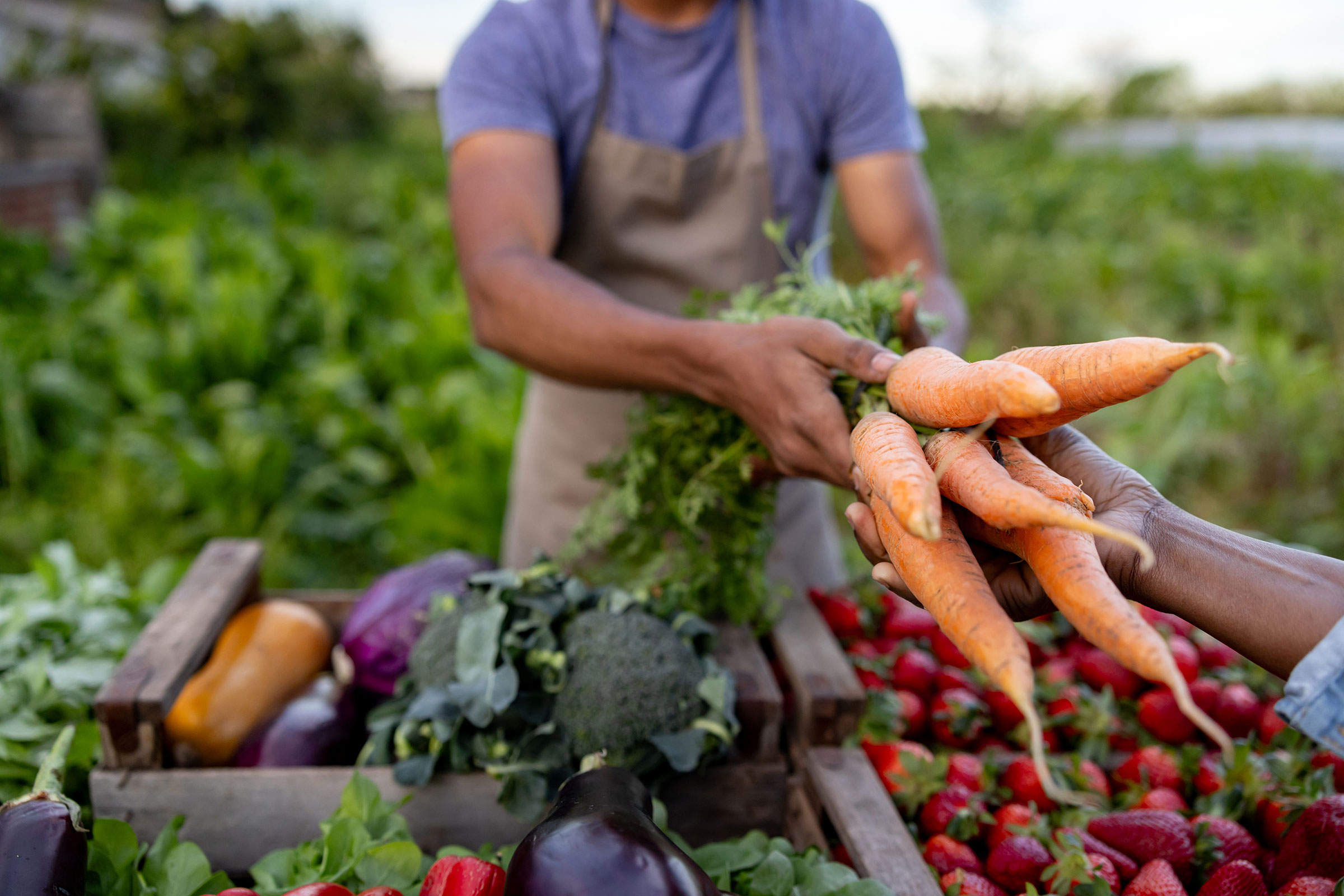
Projects explore the connections among food, agriculture, environmental sustainability and human health
October 16, 2026
Forum explored how rural health, food systems, agriculture and nutrition interact to impact public health and well-being