November 6, 2026
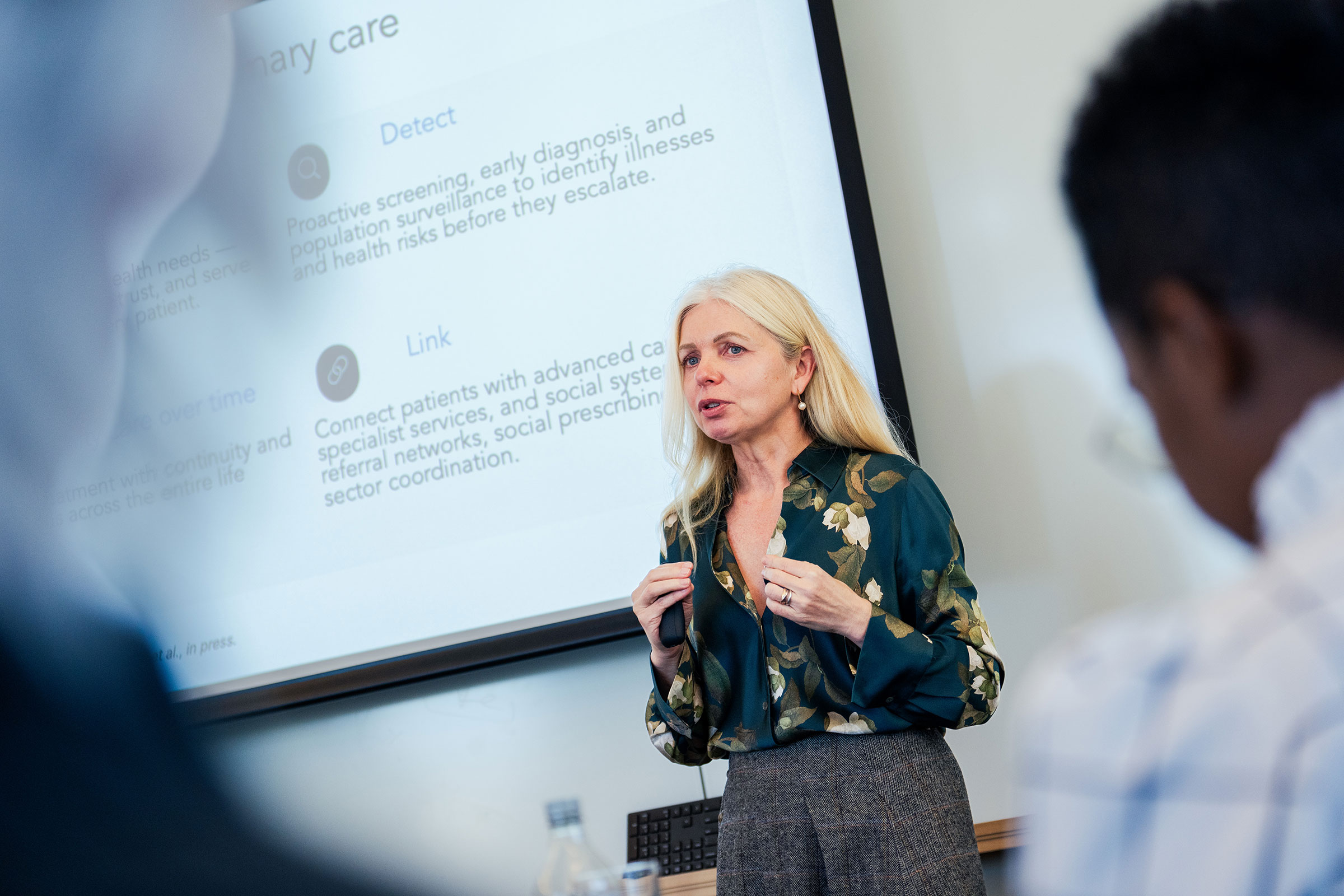
A conversation with health behavior researcher Amy McQueen
McQueen aims to understand what drives people’s health decisions and encourage healthier behaviors



Experts convene at WashU to discuss election’s impact on health policy, public health
The 2026 midterm elections that were held last week could have wide-ranging effects on public health. Elected officials set the agenda for what policies are made and how funds are distributed, so their values and priorities have a big impact on public health programming, healthcare provision, biomedical research and more. In addition, residents of 20 states had the opportunity to influence health policy directly by voting on 42 health-related ballot initiatives nationwide.
“Elections are always consequential for public health, but it feels like this might be a particularly consequential moment,” said ThuVan Dinh, MPH, a public health and health policy specialist at the Andrew M. and Jane M. Bursky School of Public Health at Washington University in St. Louis. “Now that the votes are in, the question is: How can we create momentum to improve population health?”
On November 17, policy experts, civic leaders and public health researchers will gather at WashU to unpack the election results and interpret what they might mean for health policy and public health. Titled, “After the Midterms: Health, Governance, and Policy Priorities in a Polarized Era,” the event will take place from 9 a.m. to 12:30 p.m. in the Clark-Fox Forum in Hillman Hall on WashU’s Danforth campus. All attendees and panelists are invited to a networking lunch from 12:30 to 1:30 p.m. The event is free and open to the public, in person or via Zoom. Registration is required.
Dinh and colleagues at Bursky Public Health’s Office of Innovation created a website to track the results of health-related midterm ballot initiatives nationwide. The team has been updating it as states’ election officials confirm and publish results.
“We scheduled this convening for two weeks after the election because, by then, we should know most of the results at both the state and the federal levels,” said Timothy McBride, PhD, MS, the Bernard Becker Professor at Bursky Public Health and a health policy expert. Dinh, McBride and Karen Joynt Maddox, MD, MPH, a professor of medicine at WashU Medicine and a member of the Bursky Public Health secondary faculty, organized the convening.
“We’re bringing together people who have a variety of backgrounds and perspectives to talk about what the results mean for governance, health policy and public health,” McBride said.
The event will open with remarks by Sandro Galea, MD, DrPH, the Margaret C. Ryan Dean and the Eugene S. and Constance Kahn Distinguished Professor in Public Health at Bursky Public Health, and vice provost for interdisciplinary initiatives at WashU.
Elaine Kamarck, PhD, a senior fellow of governance studies and the director of the Center for Effective Public Management at the Brookings Institution, will give a keynote address placing the 2026 midterm election results in historical context and projecting what they could mean for the future of health policy. Her keynote will be followed by a panel discussion that will go deeper into the implications of the election, including what the results tell us about voter priorities and how elected leaders are likely to govern.
The second session will examine how public health leaders, policymakers, researchers and practitioners can turn political change into better health outcomes. Monica M. Bertagnolli, MD, the president of the National Academy of Medicine and vice chair of the National Research Council, will give a keynote address about the path from election results to public health outcomes. After her talk, a panel of experts will discuss how policy is put into practice and where opportunities to advance public health may be found in the changing policy landscape.
Eugene S. Kahn, a member of the Bursky Public Health National Council, will deliver closing remarks.
Tamara Schneider, MPH, PhD, is the assistant director of communications and senior science writer at Bursky Public Health. She holds a bachelor’s degree in molecular biophysics & biochemistry and in sociology from Yale University, a master’s in public health from the University of California, Berkeley, and a PhD in biomedical science from the University of California, San Diego. She joined WashU as a science writer in 2016.
November 6, 2026
McQueen aims to understand what drives people’s health decisions and encourage healthier behaviors
November 6, 2026
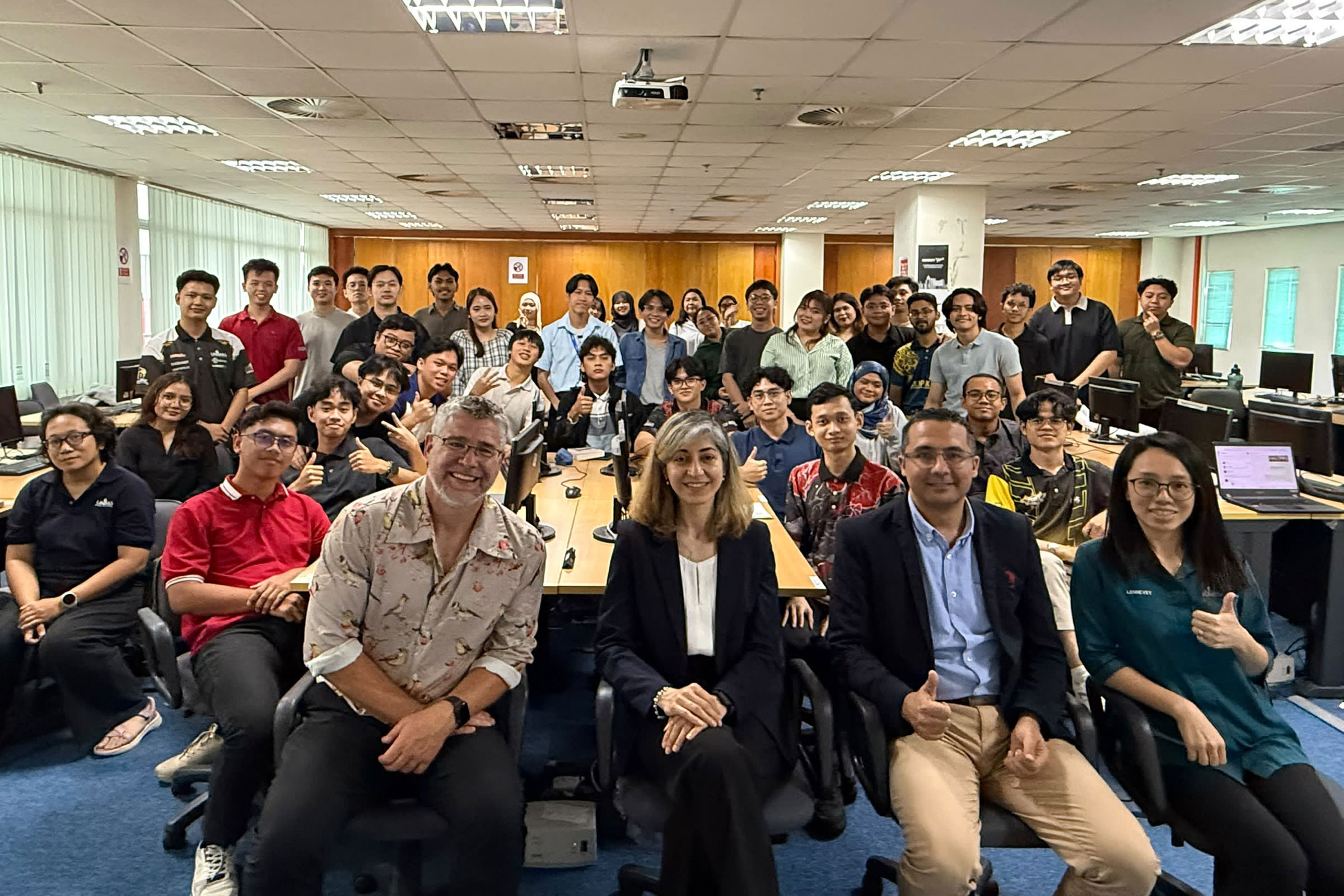
Steensma travels to Malaysia to advance global collaboration on biodiversity, health and innovation
November 6, 2026
52 primary and secondary faculty members are among the most-impactful researchers globally