Loading Events

After the Midterms: Health, Governance, and Policy Priorities in a Polarized Era

Date

November 17, 2026

Time

— CST

Location

Clark-Fox Forum, Hillman Hall

Hybrid

Add to calendar:

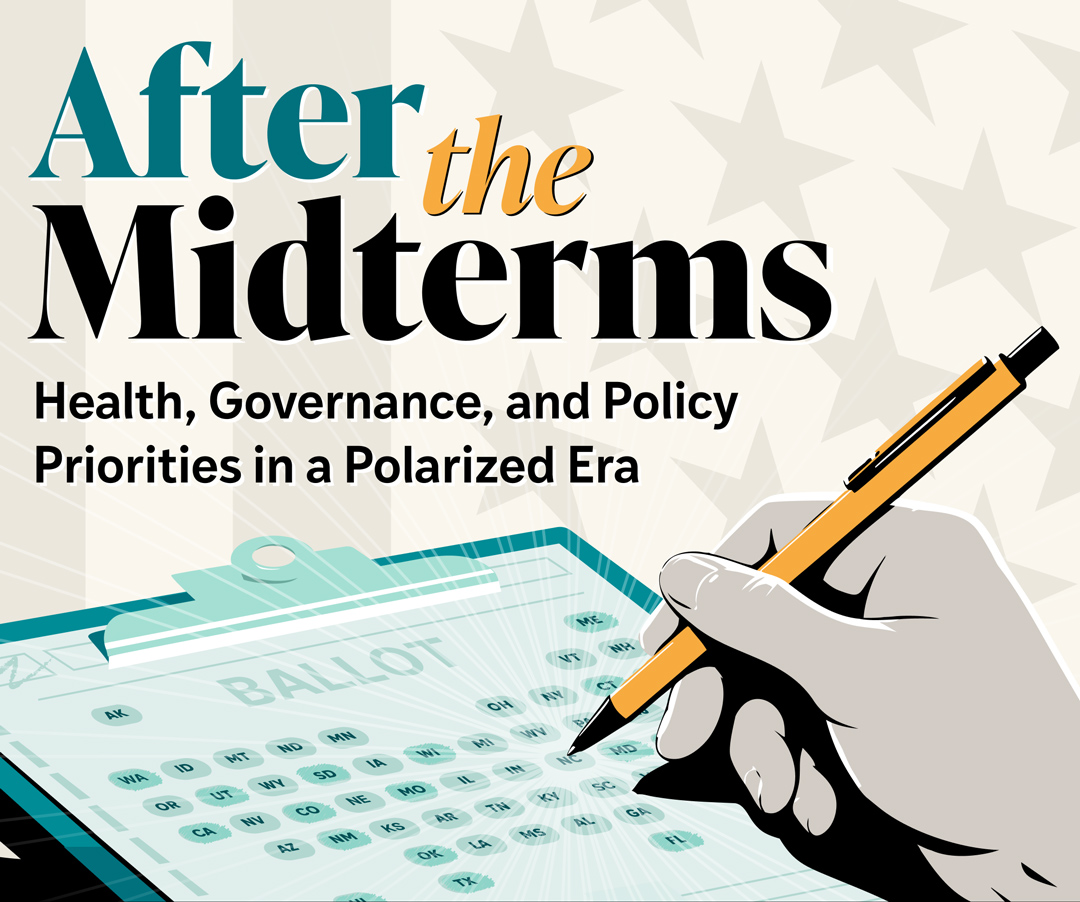
Artwork for "After the Midterms: Health, Governance, and Policy Priorities in a Polarized Era"

The 2026 U.S. midterm elections will shape far more than the political landscape, they will influence the future of public health, health care, and the policies that affect communities across the country. Join leading scholars, policymakers, practitioners, and civic leaders for a timely conversation examining what the election results reveal about governance, public trust, and the opportunities and challenges ahead for improving population health.

Hosted by WashU Bursky School of Public Health’s Office of Innovation, this convening will move beyond election analysis to explore what comes next. Through keynote presentations and expert discussion, participants will consider how political realities shape health policy, where meaningful progress remains possible, and how evidence can inform decision-making in an increasingly polarized environment.

This symposium is designed for anyone interested in the intersection of health, policy, and democratic governance. Whether you work in public health, health care, government, academia, or the nonprofit sector, the convening offers an opportunity to engage with national thought leaders, exchange ideas across disciplines, and help identify practical, forward-looking priorities for improving population health in the years ahead.

Agenda

8:30 a.m. — 9 a.m.
Registration and light breakfast
9 a.m. — 9:15 a.m.
Opening remarks
9:15 a.m. — 9:45 a.m.
Keynote: Democracy, Governance, and the Meaning of the Midterms

Presenter

  • Elaine Kamarck, PhD
    Founding Director, Center for Effective Public Management
    Senior Fellow, Governance Studies, The Brookings Institution
9:45 a.m. — 10:45 a.m.
Panel discussion

Moderator

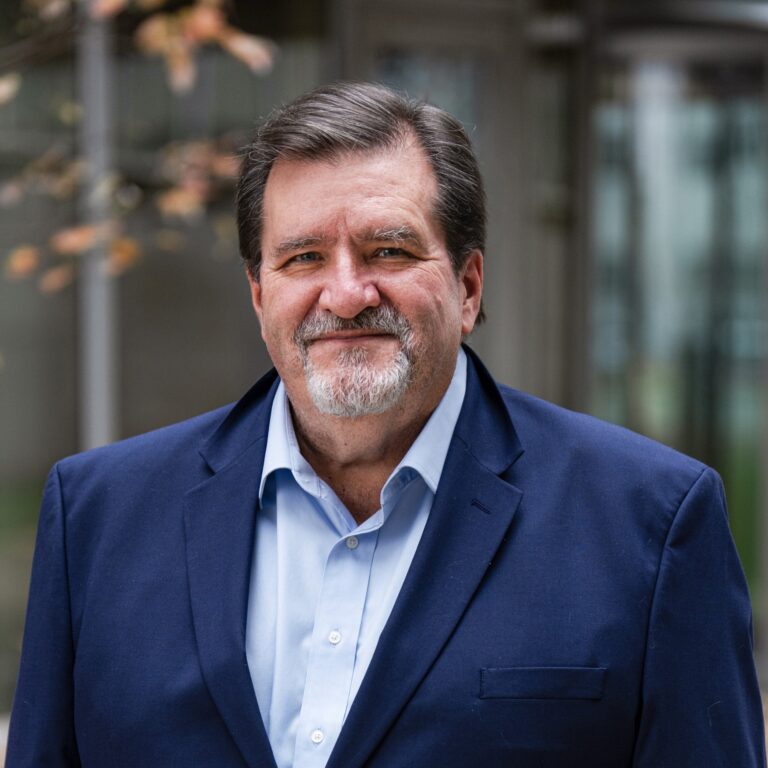
  • Timothy McBride, PhD
    Bernard Becker Professor, Co-Director, Policy & Structural Solutions research network, WashU Bursky School of Public Health

Panelists

  • Elaine Kamarck
  • Ryan Enos, PhD
    Professor of Government, Harvard University
  • Frances Lee, PhD
    Professor of Politics and Public Affairs, Princeton University
  • Betsy Sinclair, PhD
    Chair of Political Science, Thomas F. Eagleton University Professor of Public Affairs & Political Science, WashU Arts & Sciences
10:45 a.m. — 11 a.m.
Break
11 a.m. — 11:30 a.m.
Keynote: From Elections to Outcomes: A Public Health Path Forward

Presenter

  • Monica Bertagnolli, MD
    President, National Academy of Medicine
11:30 a.m. — 12:30 p.m.
Panel discussion

Moderator

  • Karen Joynt Maddox, MD, MPH
    Professor of Medicine, WashU Medicine
    Professor of Public Health, Co-director of Policy & Structural Solutions, Bursky School of Public Health

Panelists

  • Monica Bertagnolli
  • Rachel Nuzum, MPH
    Senior Vice President, Policy, The Commonwealth Fund
  • Rachel Sachs, JD, MPH
    Wiley B. Rutledge Professor of Law; Co-Director at The Cordell Institute, WashU Law
  • Rachel Werner, MD, PhD
    Professor of Medicine, Perelman School of Medicine, University of Pennsylvania
12:30 p.m. — 12:35 p.m.
Closing remarks
12:35 p.m. — 1:30 p.m.
Lunch

Keynote speakers

Monica M. Bertagnolli, MD
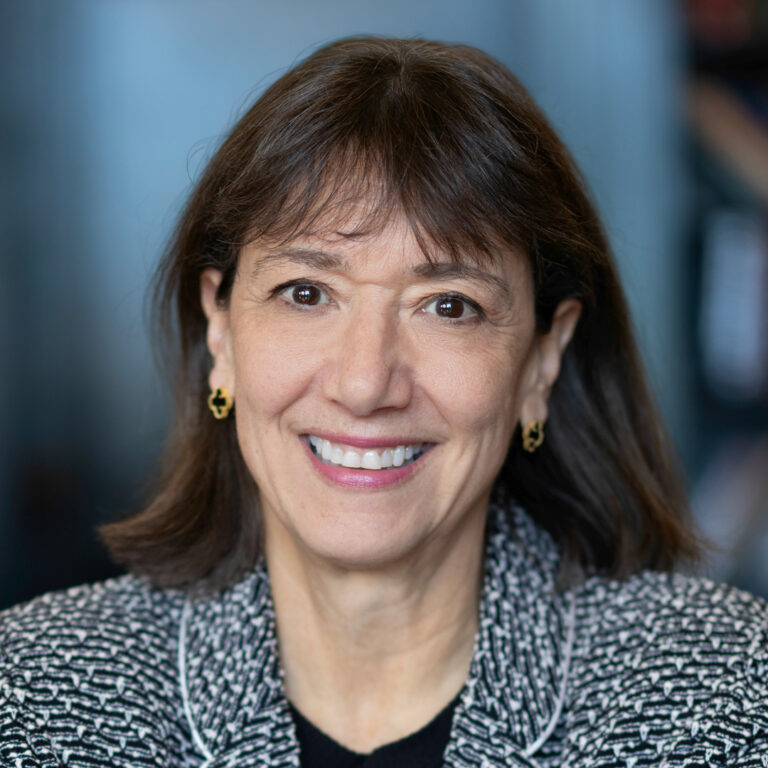
Monica Bertagnolli, MD

Monica M. Bertagnolli, MD, is the President of the National Academy of Medicine and Vice Chair of the National Research Council. She previously served as the 17th Director of the National Institutes of Health and the 16th Director of the National Cancer Institute. A surgical oncologist and physician-scientist, Bertagnolli’s research has advanced understanding of the role of genetics and inflammation in gastrointestinal cancers and soft-tissue sarcomas. She served as Chief of Surgical Oncology at Brigham and Women’s Hospital and Dana-Farber Cancer Institute and is the Richard E. Wilson Professor of Surgery Emerita at Harvard Medical School.

A past president and chair of the board of directors for the American Society of Clinical Oncology, she has also served on the boards of the American Cancer Society and the Prevent Cancer Foundation. Throughout her career, Bertagnolli has championed collaborative efforts to build a learning health system by transforming the data infrastructure for clinical research, including by spearheading the mCODE initiative, which enabled standardized oncology data exchange, and DataCOUNTS, an NIH program managing data to drive a learning health system.

Bertagnolli was elected as a member of the NAM in 2021 and is the first woman to serve as its president.


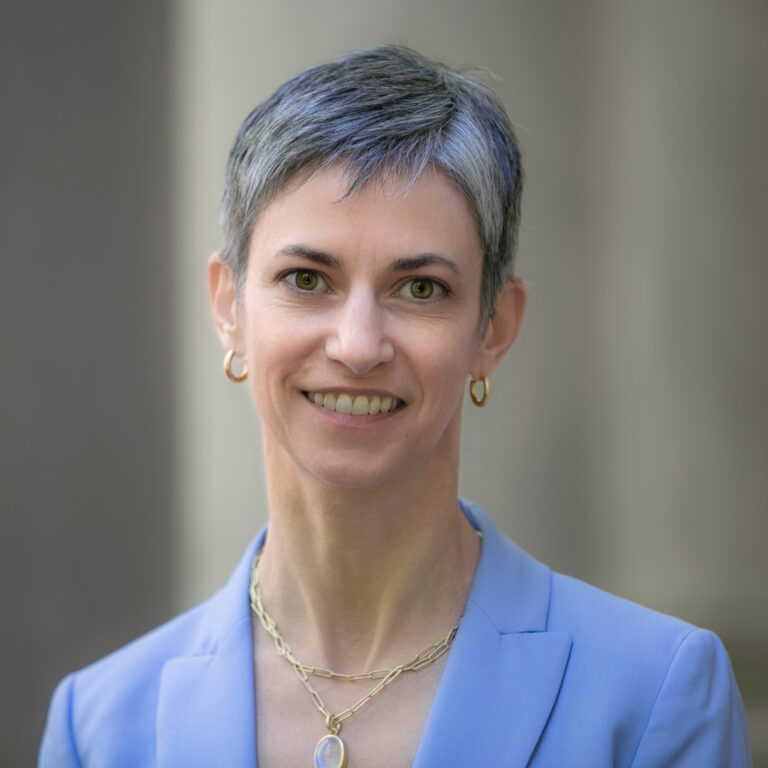
Elaine C. Kamarck, PhD
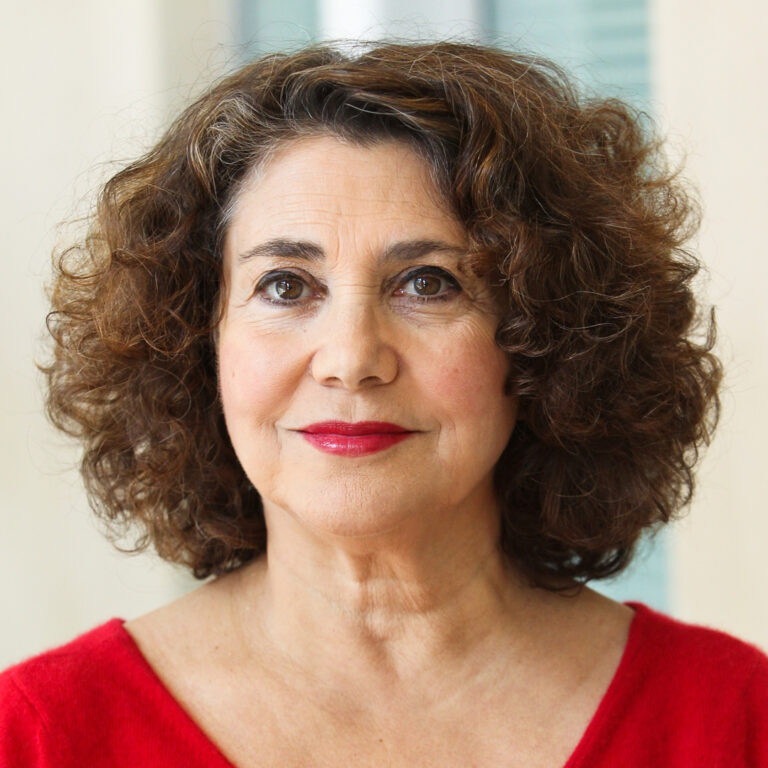
Elaine Kamarck, PhD

Elaine C. Kamarck, PhD, is a senior fellow in Governance Studies and the director of the Center for Effective Public Management at The Brookings Institution. She is an expert on American electoral politics and government innovation and reform in the United States, Organization for Economic Co-operation and Development nations, and developing countries. She is also lecturer in public policy at the Harvard Kennedy School of Government.

Her research focuses on 21st century government, the role of the internet in political campaigns, homeland defense, intelligence reorganization, and governmental reform and innovation.

Kamarck has authored several books, including “Primary Politics; Everything You Need to Know about How America Nominates Its Presidential Candidates,” and co-authored “Lies That Kill: A Citizen’s Guide to Disinformation” among others. She has worked on four presidential campaigns and remains a member of the Democratic National Committee.

Moderators and panelists

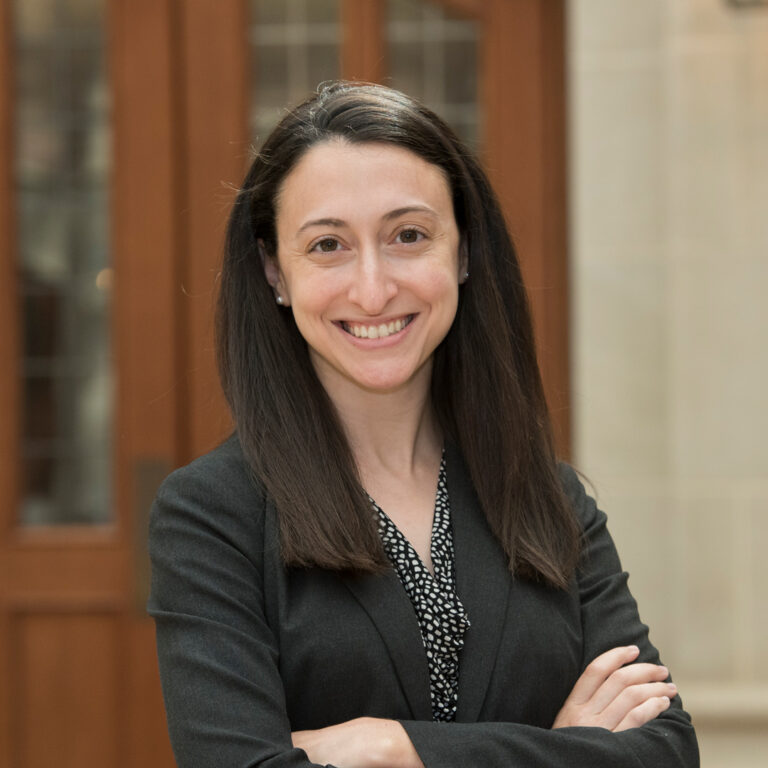
Karen Joynt Maddox
Karen Joynt Maddox, MD, MPH
Professor of Medicine, WashU Medicine; Professor of Public Health, Co-Director of Policy & Structural Solutions Research Network, Bursky School of Public Health
Dr. Joynt Maddox is a cardiologist and a health services and health policy researcher with expertise in quality and outcomes measurement, value-based and alternative payment models, and health equity. She has authored over 300 peer-reviewed publications, and has received federal and foundation grants focused on issues in health policy. She is the associate editor for health policy at the Journal of the American Medical Association.
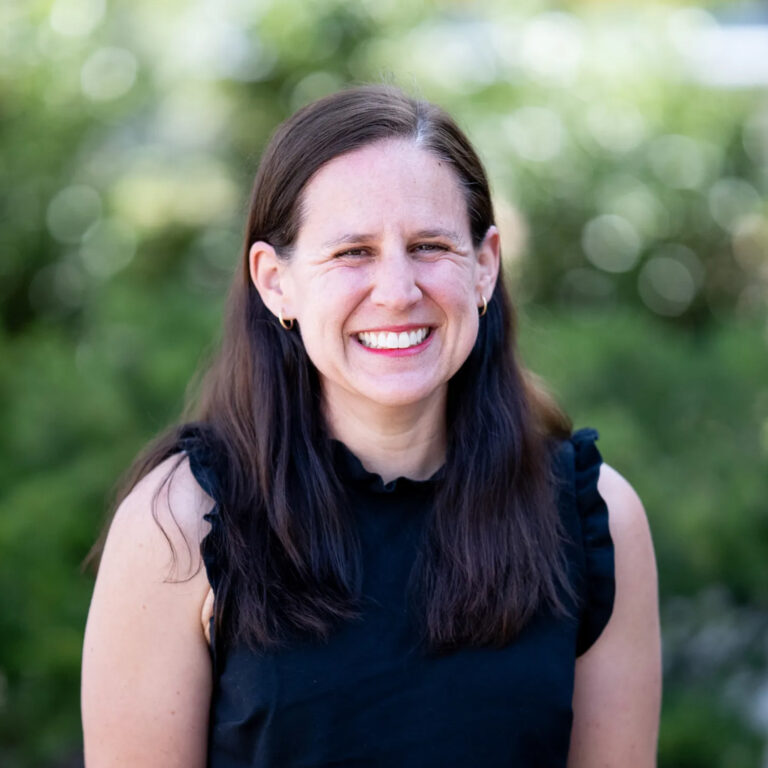
Tim McBride, MS, PhD
Timothy McBride, MS, PhD
Bernard Becker Professor, Co-Director, Policy & Structural Solutions research network, WashU Bursky School of Public Health
Timothy McBride is an influential health policy analyst and leading health economist shaping the national agenda in health insurance, health reform, rural health care, Medicare and Medicaid policy, health economics and access to health care. He serves as co-director of the Center for Advancing Health Services, Policy & Economics Research at WashU and heads the Rural Health Policy Lab for the center.
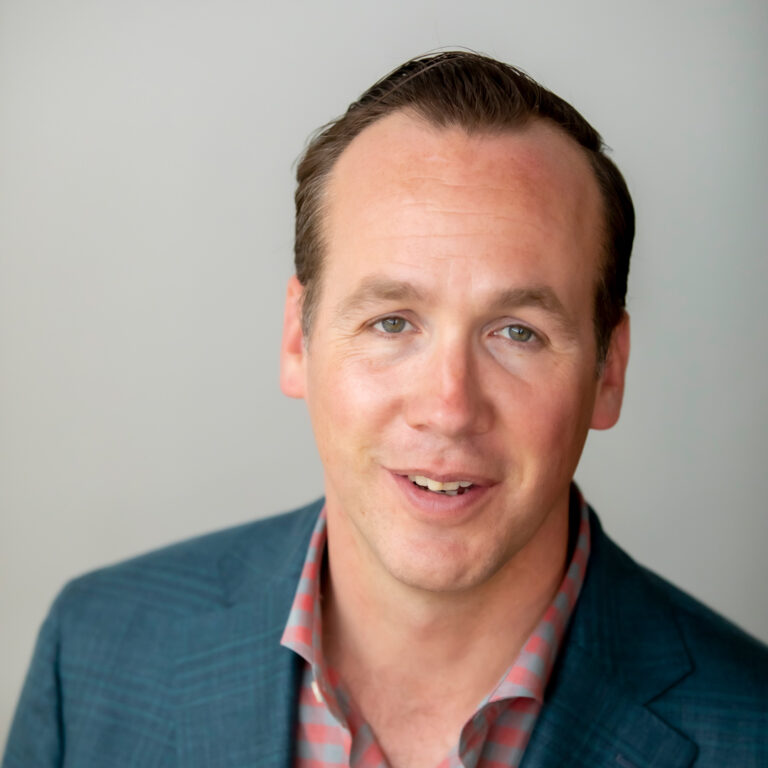
Ryan Enos, PhD
Ryan D. Enos, PhD
Professor of Government, Harvard University
Ryan D. Enos is a political scientist at Harvard University, where he is a Professor of Government and director of the Center for American Political Studies and the founder and director of the Harvard Digital Lab for the Social Sciences. He researches at the intersection of politics, psychology, and geography, studying behavior and attitudes in the United States and other countries. The author of over 30 scholarly articles, his research has appeared in leading scholarly journals and major popular media outlets. Enos is also the author of the 2017 book, "The Space Between Us."
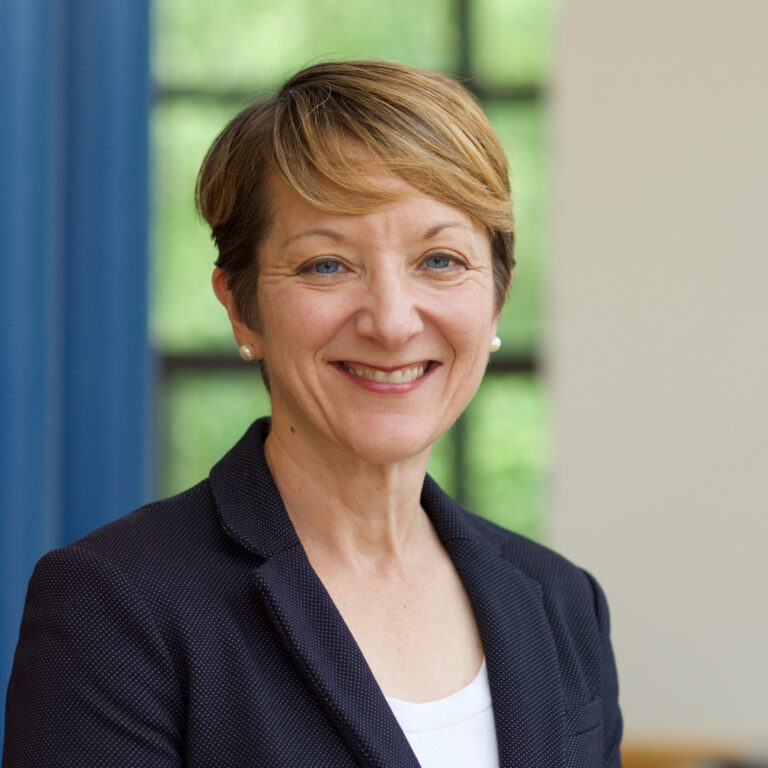
Frances Lee, PhD
Frances Lee, PhD
Professor of Politics and Public Affairs, Princeton University
Frances Lee is a professor of politics and public affairs at Princeton University, specializing in Congress, national policymaking, and party politics. Her most recent books include "A Case for Congress, In Covid’s Wake: How Our Politics Failed Us" with Stephen Macedo, and "The Limits of Party: Congress and Lawmaking in a Polarized Era" with James M. Curry.
Rachel Nuzum, MPH
Rachel Nuzum, MPH
Senior Vice President for Policy, The Commonwealth Fund
Rachel Nuzum is Senior Vice President for Policy at the Commonwealth Fund, where she leads national policy strategy, oversees initiatives including the State Health Innovation for Transformation (SHIFT) effort, and works with state and federal policymakers to improve health system performance. With more than 25 years of experience in health policy across government and the private sector, she previously served in congressional and gubernatorial offices.
Rachel Sachs, JD, MPH
Wiley B. Rutledge Professor of Law, WashU Law
Rachel Sachs is the Wiley B. Rutledge Professor of Law at WashU, a secondary faculty member at the Bursky School of Public Health, and a Faculty Co-Director of the Cordell Institute for Policy in Medicine and Law. Sachs served in the Biden Administration as a Senior Advisor at the Department of Health and Human Services Office of the General Counsel, Centers for Medicare and Medicaid Services Division.
Betsy Sinclair, PhD
Betsy Sinclair, PhD
Thomas F. Eagleton University Professor of Public Affairs & Political Science, WashU Arts & Sciences
Betsy Sinclair is a Professor of Political Science at WashU Arts & Sciences and the Vice Provost for Innovation at WashU. Her research interests include American politics and political methodology with an emphasis on individual political behavior. Sinclair focuses on the social foundations of participatory democracy — the ways in which social networks influence voting, donating, choosing a candidate or identifying with a particular party.
Rachel M. Werner, MD, PhD
Professor of Medicine, University of Pennsylvania
Rachel M. Werner, MD, PhD, is Professor of Medicine and of Health Care Management and Economics at the University of Pennsylvania. She is the immediate past Executive Director of the Leonard Davis Institute of Health Economics, an elected member of the National Academy of Medicine, and a Research Associate at the National Bureau of Economic Research. Her research examines effects of health care policies and payment on health care delivery and patient outcomes.