November 6, 2026
A conversation with health behavior researcher Amy McQueen
McQueen aims to understand what drives people’s health decisions and encourage healthier behaviors



52 primary and secondary faculty members are among the most-impactful researchers globally
Thirty-one primary and secondary faculty members at the Bursky School of Public Health at Washington University in St. Louis have been named to the 2026 Stanford/Elsevier World’s Top 2% Scientists List for their lifetime scientific achievements, and another 21 have been recognized as among the top 2% of scientists in 2025. This means that about a quarter of all faculty affiliated with the Bursky School are included on this list. Inclusion on the list is an honor reserved for those who have made significant and influential contributions to their fields.
Every year, a Stanford University-Elsevier research team uses citation data from the Scopus database to rank the most-cited scientists across 20 fields and 174 subfields, evaluating both single-year and career-long impact. The ranking measures scholarly influence using the number of citations, taking into consideration co-authorship, self-citations and authorship position.
“One of our goals as a school is to attract leading scholars whose scientific contributions advance public health and create the conditions for everyone to live healthier lives,” said Sandro Galea, MD, DrPH, the Margaret C. Ryan Dean and Eugene S. and Constance Kahn Distinguished Professor at Bursky Public Health, and the vice provost for interdisciplinary initiatives at WashU. “This is a testament to the quality and impact of the research produced by the faculty at Bursky Public Health and across WashU.”
Bursky Public Health primary and secondary faculty members whose scientific contributions over the course of their career place them among the 2% most impactful scientists in the world are:
In addition to the above, other faculty members who ranked among the top 2% most impactful scientists in 2025 are:
The World’s Top 2% Scientists List is a publicly available database of highly cited scientists. It provides standardized citation metrics for each scientist, including total number of citations; the h-index, a measure of productivity and impact that includes both the number of papers and the number of times each paper was cited; the hm-index, a form of the h-index modified to account for co-authorship; and the number of citations broken down by authorship position (single, first or last author). Separate figures are given for career-long impact and for the most recent calendar year. Metrics are shown both with and without self-citations. Papers that are in the Retraction Watch database as retracted are flagged, as well as citations to and from those papers.
Scientists are classified into fields and sub-fields using the Science-Metrix classification. All researchers with at least five published papers are assessed with these metrics and included in the total and the field- and subfield-specific global count of scientists.
The metrics are combined into a composite citation score called a C-score. Scientists whose C-score ranks them in the top 100,000 scientists globally or in the top 2% of their sub-field are named on the World’s Top 2% Scientists lists. The lists can be searched here and the full dataset can be downloaded here.
Tamara Schneider, MPH, PhD, is the assistant director of communications and senior science writer at Bursky Public Health. She holds a bachelor’s degree in molecular biophysics & biochemistry and in sociology from Yale University, a master’s in public health from the University of California, Berkeley, and a PhD in biomedical science from the University of California, San Diego. She joined WashU as a science writer in 2016.
November 6, 2026
McQueen aims to understand what drives people’s health decisions and encourage healthier behaviors
November 6, 2026
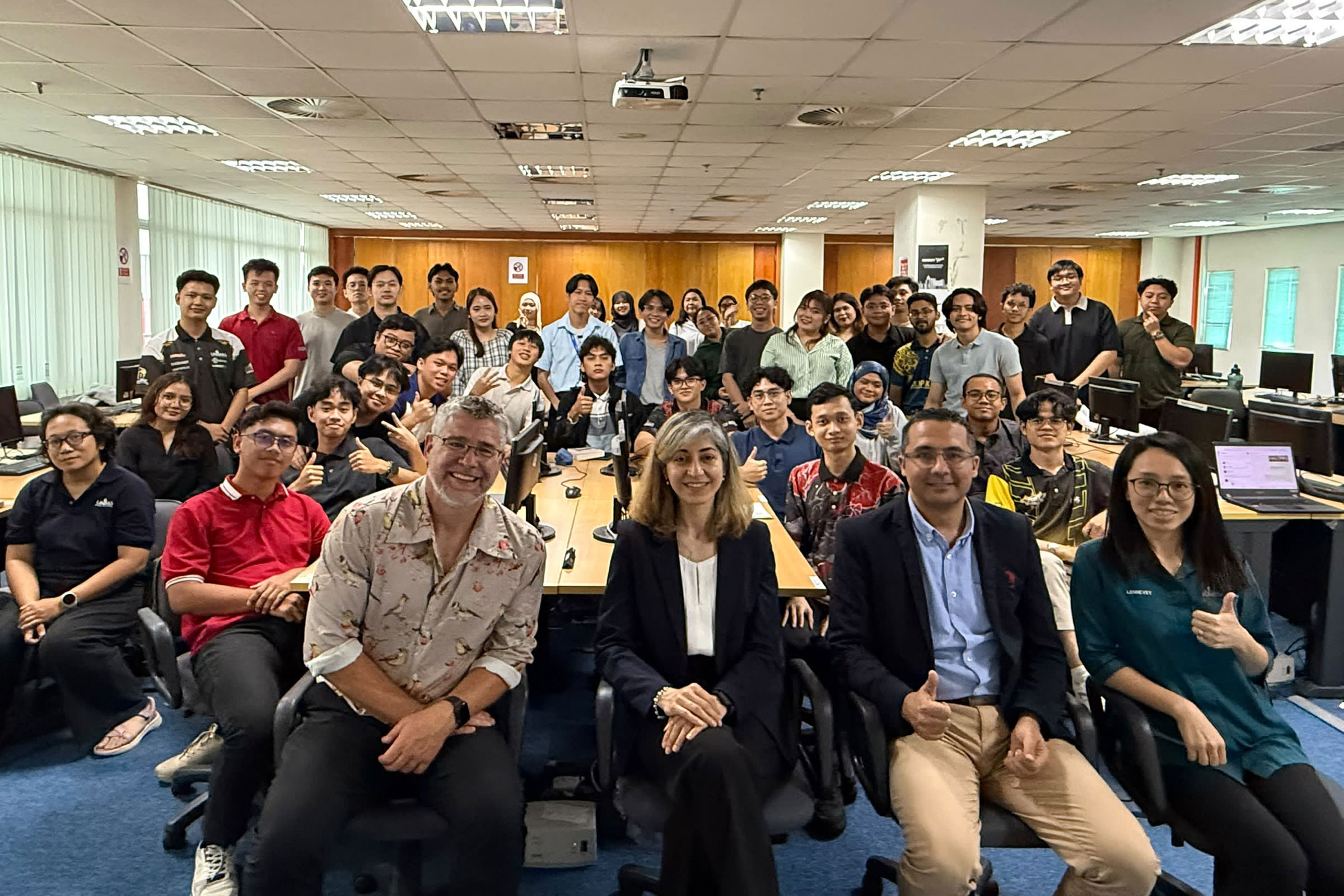
Steensma travels to Malaysia to advance global collaboration on biodiversity, health and innovation
November 6, 2026
Experts convene at WashU to discuss election’s impact on health policy, public health