October 30, 2026
Bursky Public Health attends APHA in San Antonio
Four-day event includes Champion Conversations, book signings, research presentations and a happy hour



Election results to be discussed at WashU convening later this month
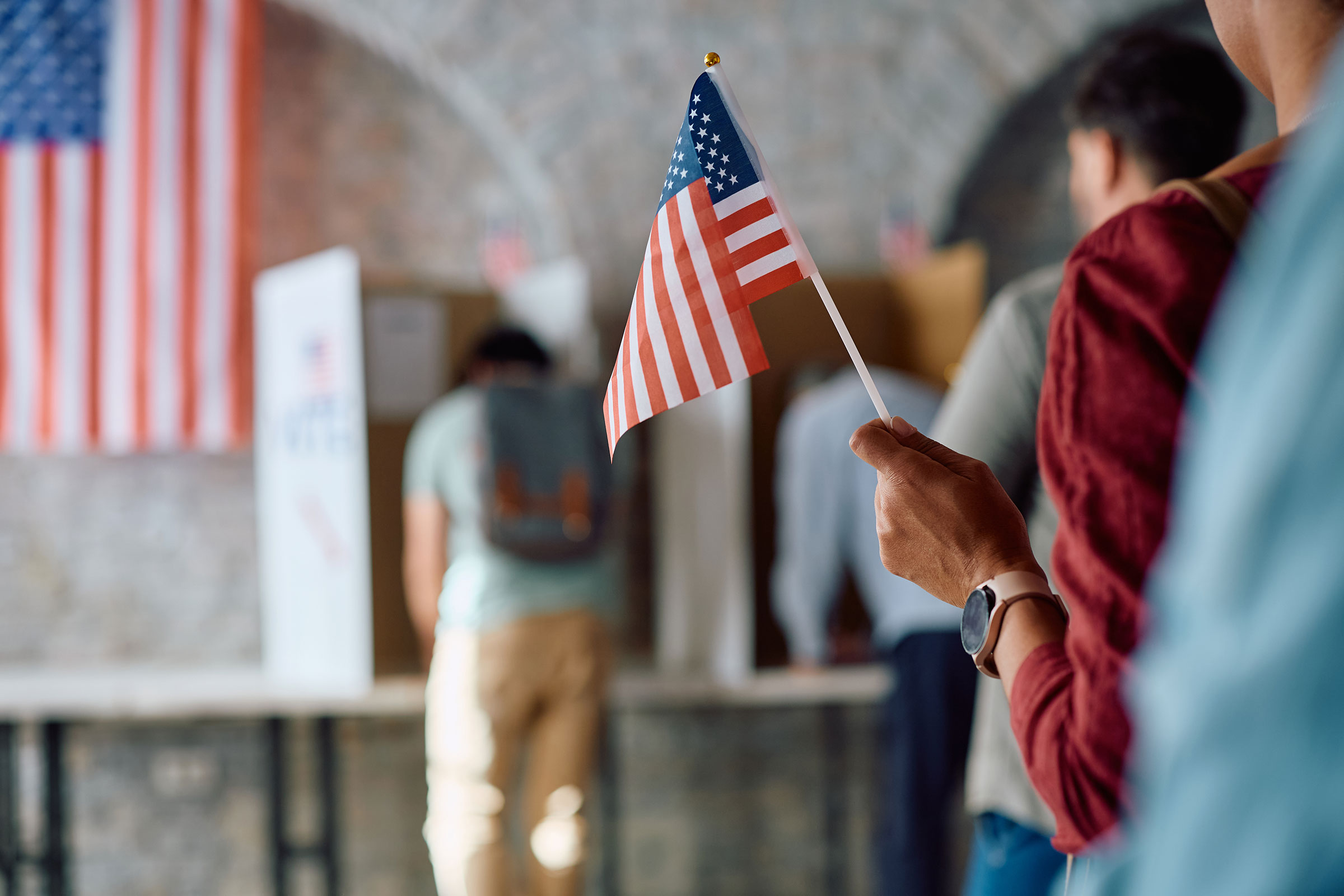
When Americans go to the polls on Tuesday, voters in 20 states will have the opportunity to directly influence health policy. A team at the Bursky School of Public Health at Washington University in St. Louis created the Health Policy Midterm Elections Tracker to show how votes cast at the ballot box are shaping state-level policymaking and the broader public health landscape beyond election day.
There are 42 initiatives related to public health on ballots across the country, addressing everything from immunotherapy research to taxes on groceries to firearm regulations. The Health Policy Midterm Elections Tracker organizes these measures by state and categorizes them into four broad topics: access to care, preventive health, health infrastructure and upstream drivers of health. The site will be updated in real time as election results roll in.
By presenting all the public health-related initiatives of this election cycle in one place along with their outcomes, the tracker gives a bird’s-eye view of where American voters stand on the major public health questions of the day.
“Health policy gets decided in many ways,” said ThuVan Dinh, MPH, a member of the Office of Innovation at Bursky School of Public Health and a specialist in public health and health policy. “Ballot initiatives are a version of policymaking that you don’t hear as much about, but it’s the one where each of us has the most power. We don’t have to wait for our elected officials to put a bill on the floor or make decisions for us. Voters get to decide directly what matters to them.”
Dinh and her team plan to continue updating the tracker until November 17, when Bursky Public Health will host a convening called After the Midterms: Health, Governance and Policy Priorities in a Polarized Era. Policy and public health experts will discuss what the results of the election mean for governance and health policy at the state and national levels, and the implications for population health. The event is free and open to the public; registration is required.
The tracker was developed by Bursky Public Health’s Office of Innovation. The team included Dinh, data visualization specialist Tim Zielonko, MBA, and intern Iliana Acevedo, a fourth-year undergraduate at WashU and a St. Louis Fellow with WashU’s Gephardt Institute for Civic and Community Engagement.
Tamara Schneider, MPH, PhD, is the assistant director of communications and senior science writer at Bursky Public Health. She holds a bachelor’s degree in molecular biophysics & biochemistry and in sociology from Yale University, a master’s in public health from the University of California, Berkeley, and a PhD in biomedical science from the University of California, San Diego. She joined WashU as a science writer in 2016.
October 30, 2026
Four-day event includes Champion Conversations, book signings, research presentations and a happy hour
October 30, 2026
Breton studies how environmental exposures affect human health, particularly during pregnancy and childhood

October 22, 2026
Colón-Ramos examines how policy and food environments interact to influence what people eat and how to effect lasting change