FARM Food Futures Forum: From Rural Health to Food Security

The health of rural communities is closely connected to the food systems we all depend on. On October 13 and 14, 2026, explore how agriculture, markets, and public health can work together to strengthen communities and build a healthier food future.

Join us for a two-day discussion

The program will span rural health, crop diversity, nutrition, and supply chain innovation, bringing together diverse perspectives to generate new ideas and promote healthier communities and food systems. Hear from leaders across sectors and help discover opportunities for collaboration and action.

We welcome you to join us in-person at the Clark-Fox Forum in Hillman Hall on the WashU campus, or virtually over Zoom.

Artwork for FARM Food Futures Forum: From Rural Health to Food Security

Day 1 agenda (Oct. 13)

8:15 a.m. — 9 a.m.
Registration
9 a.m. — 9:10 a.m.
Welcome and opening remarks
9:10 a.m. — 10:30 a.m.
Session 1: Rural Health and Food Security: Challenges and Opportunities

Rural communities face interconnected challenges related to healthcare access, workforce shortages, economic opportunity, food insecurity, and chronic disease. This session will explore how these conditions affect community well-being and the agricultural systems rural communities support, while highlighting promising approaches to strengthening rural health and food security.

Speaker
  • Carrie Henning-Smith, PhD, MPH, MSW, President, National Rural Health Association; Associate Professor, Division of Health Policy and Management at the University of Minnesota School of Public Health; Co-director of the University of Minnesota Rural Health Research Center.
Moderator
  • Ross Brownson, PhD, Steven H. and Susan U. Lipstein Distinguished Professor, WashU Bursky School of Public Health
Panelists
  • Heidi Lucas, Executive Director, Missouri Rural Health Association
  • Don Carpenter, CEO, Cedar County Memorial Hospital
  • Lindsey Filiatreau, PhD, Assistant Professor, Bursky School of Public Health
10:30 a.m. — 11 a.m.
Break
11 a.m. — 11:20 a.m.
Launch: Across the Fenceline Podcast

Through student interviews with farmers, rural health professionals, and community leaders across Missouri and the Midwest, Across the Fenceline explores connections between agriculture, rural health, and community resilience.  During this session students will introduce the podcast and share selected stories from the series.  Participants will be given access to the full podcast series for future listening.

11:20 a.m. — 12:20 p.m.
Session 2: Stewarding the Land, Nourishing Communities: Perspectives from Producers

Farmers make decisions every day that influence agricultural livelihoods, environmental stewardship, food production, and community health. Producers representing different scales, commodities, and production systems will share perspectives on the opportunities and tradeoffs they navigate—and what is needed to sustain healthy farms, communities, and landscapes.

Moderator
  • Dan Charles, Contributing Correspondent, Science Magazine; Former NPR Agriculture Correspondent
Panelists
  • Mark Scott, Grain/Cattle Farmer; Board member, Missouri Farmers Association
  • P.J. Haynie III, CEO, Haynie Family Foods
  • Angie Eckert, Vice President Retail Operations, Eckert Farms
  • Gibron Jones, Executive Director, HOSCO SHIFT and Confluence Farms
12:20 p.m. — 12:30 p.m.
Announcement of 2026 FARM Cultivate Awards
12:30 p.m. — 1:30 p.m.
Networking lunch
1:30 p.m. — 3:00 p.m.
Breakout Session 1: Nutrition and Diet-Related Chronic Disease

Diet-related chronic disease is shaped not only by individual choices, but by the food environments and systems that influence what people can access and afford. This session will examine connections among agriculture, food availability, dietary quality, and chronic disease, with particular attention to opportunities for prevention in rural and underserved communities.

Speaker
  • Christina D. Economos, PhD, Dean of the Friedman School of Nutrition Science and Policy at Tufts University, New Balance Chair in Childhood Nutrition; Professor at the Friedman School, and Professor of Public Health and Community Medicine at Tufts University School of Medicine
Moderator
  • Debra Haire-Joshu, PhD, Associate Dean for Faculty Affairs and Joyce and Chauncy Buchheit Professor in Public Health, WashU Bursky School of Public Health
Panelists
  • Andrew Bremer, MD, MAS, PhD, Director, NIH Office of Nutrition Research
  • Lisa Washburn, DrPH, Associate Vice Chancellor for Extension and Engagement, University of Missouri
  • Uriyoán Colón-Ramos, ScD, Associate Professor and Director of the Diet Disparities Lab, WashU Bursky School of Public Health
1:30 p.m. — 3 p.m.
Breakout Session 2: National Treasure, National Opportunity: Reimagining the U.S. Germplasm System

Plant collections, like the United States National Plant Germplasm System, provide the essential building blocks needed to develop new plant varieties that can withstand pests, disease, drought, and a changing climate, as well as enhance nutrition and environmental health.  This session will examine the critical role of preserving and safeguarding this foundational resource and how investment in plant genetic resources and agrobiodiversity can support agricultural resilience, food security, and human health.

Speaker
  • Neha Kothari, PhD, National Program Leader for the National Plant Germplasm System, USDA Agricultural Research Service
Moderator
  • To be confirmed
Panelists
  • Sam Crowell, PhD, Senior Director for International Policy and Programs, American Seed Trade Association
  • Cary Fowler, PhD, President, Food Security Leadership Council
  • Lora Iannotti, PhD, Lauren and Lee Fixel Distinguished Professor; Founding director of the E3 Nutrition Lab; WashU Bursky School of Public Health
3 p.m. — 4:30 p.m.
Student poster session

Day 2 agenda (Oct. 14)

8:15 a.m. — 9 a.m.
Registration
9 a.m. — 9:15 a.m.
Welcome and opening remarks
9:15 a.m. — 10:30 a.m.
Session 3: Markets, Demand, and the Health Consequences of Food Systems

What reaches consumers is shaped by far more than what farmers produce. Consumer demand, business strategy, retail, processing, and supply chains all influence the foods that are available, affordable, and ultimately consumed. This session will explore how market forces shape nutrition and health—and where businesses see opportunities for change.

Speaker
  • Roland Fumasi, PhD, Head, North American RaboResearch Food & Agribusiness Group, Rabobank
Moderator
  • Patrick Aguilar, MD, MBA, Professor of Practice of Organizational Behavior and Managing Director of Health; WashU Olin School of Business
Panelists
  • Panos Kouvelis, PhD, Emerson Distinguished Professor of Supply Chain, Operations, and Technology; Director of The Boeing Center for Supply Chain Innovation; WashU Olin School of Business
  • Jeff Barry, Chief Innovation Officer, Dot Foods, Inc.
  • Other panelists to be confirmed
10:30 a.m. — 11 a.m.
Break
11 a.m. — 12:30 p.m.
Session 4: Rewiring Incentives: Strengthening Health as a Driver of Food Systems

What would need to change if health were treated as a primary objective of the food system rather than simply an outcome? This session will explore how procurement, policy, investment, and market incentives could better align agricultural production and food markets with healthier diets, stronger communities, and improved population health.

Speaker
  • To be confirmed
Moderator
  • David Spielman, PhD, Lauren and Lee Fixel Distinguished Professor, WashU Bursky School of Public Health
Panelists
  • Lara Seng, Director of Sustainability and CSR, Campus at Sodexo
  • Alex DiNovo, President & COO, DNO Produce
  • Other panelists to be confirmed
12:30 p.m. — 1:30 p.m.
Networking lunch

Keynote speakers

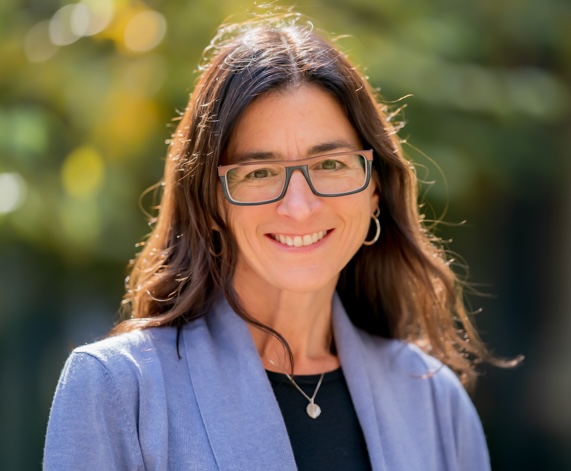
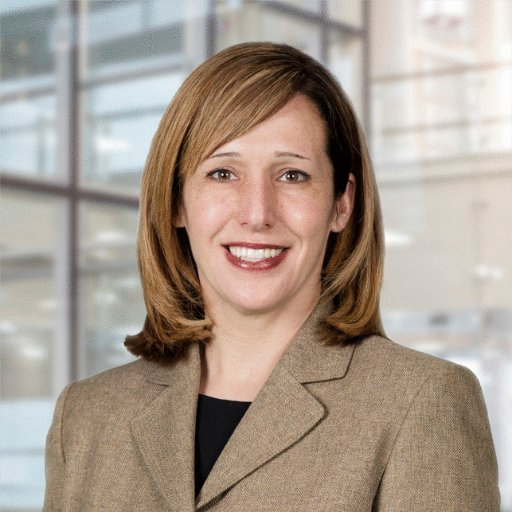
Carrie Henning-Smith, PhD, MPH, MSW
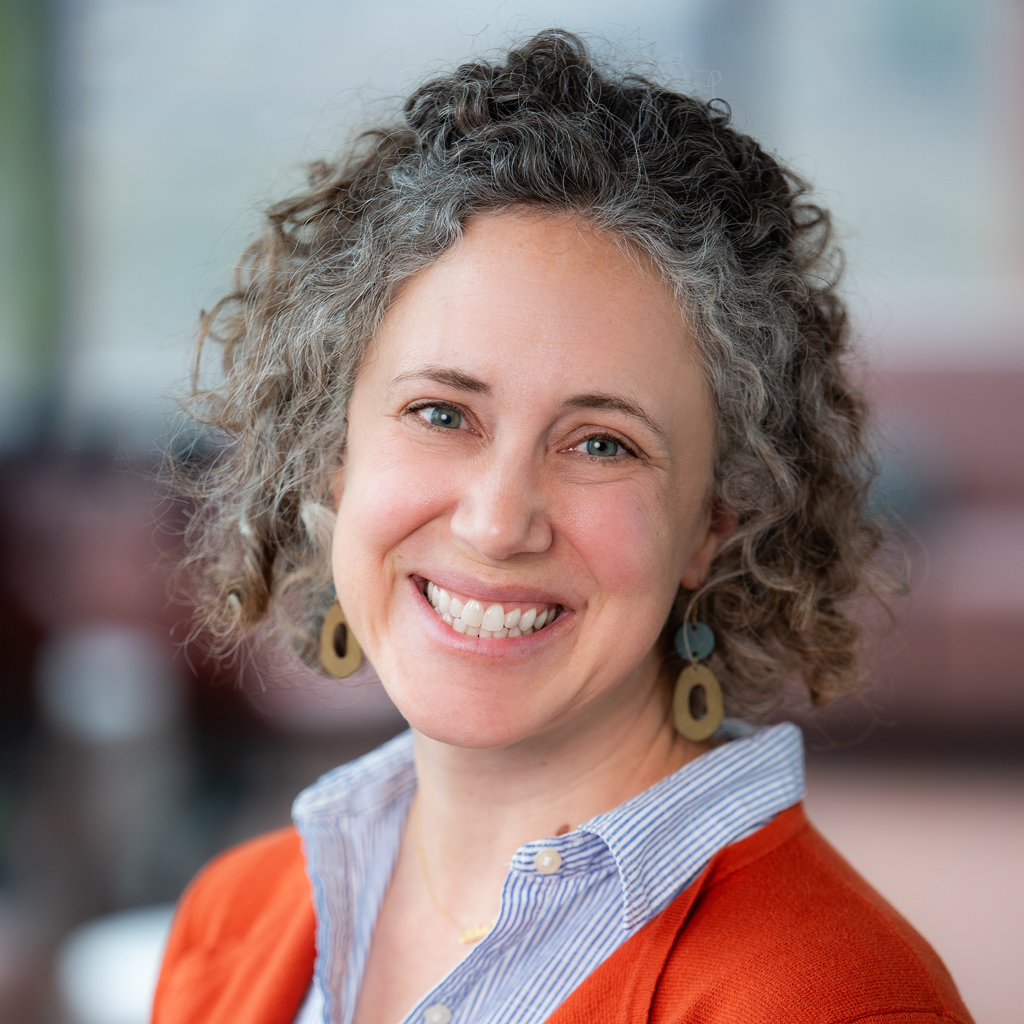
Carrie Henning-Smith, PhD, MPH, MSW

Carrie Henning-Smith is a Professor in the Division of Health Policy and Management, University of Minnesota School of Public Health, Co-Director of the University of Minnesota Rural Health Research Center, and Co-Director of the University of Minnesota Rural Health Program. She is also the Principal Investigator of the NIA-funded Interdisciplinary Network on Rural Population Health and Aging (INRPHA) and is the 2026 President of the National Rural Health Association.

Dr. Henning-Smith holds a BA in international relations and gender studies from Claremont McKenna College; master’s degrees in public health and social work, along with a certificate in gerontology from the University of Michigan; and a PhD in health services research with a minor in demography from the University of Minnesota. Her research focuses on rural population health and health policy, with a particular emphasis on aging, social well-being, and mental health.


Christina D. Economos, PhD
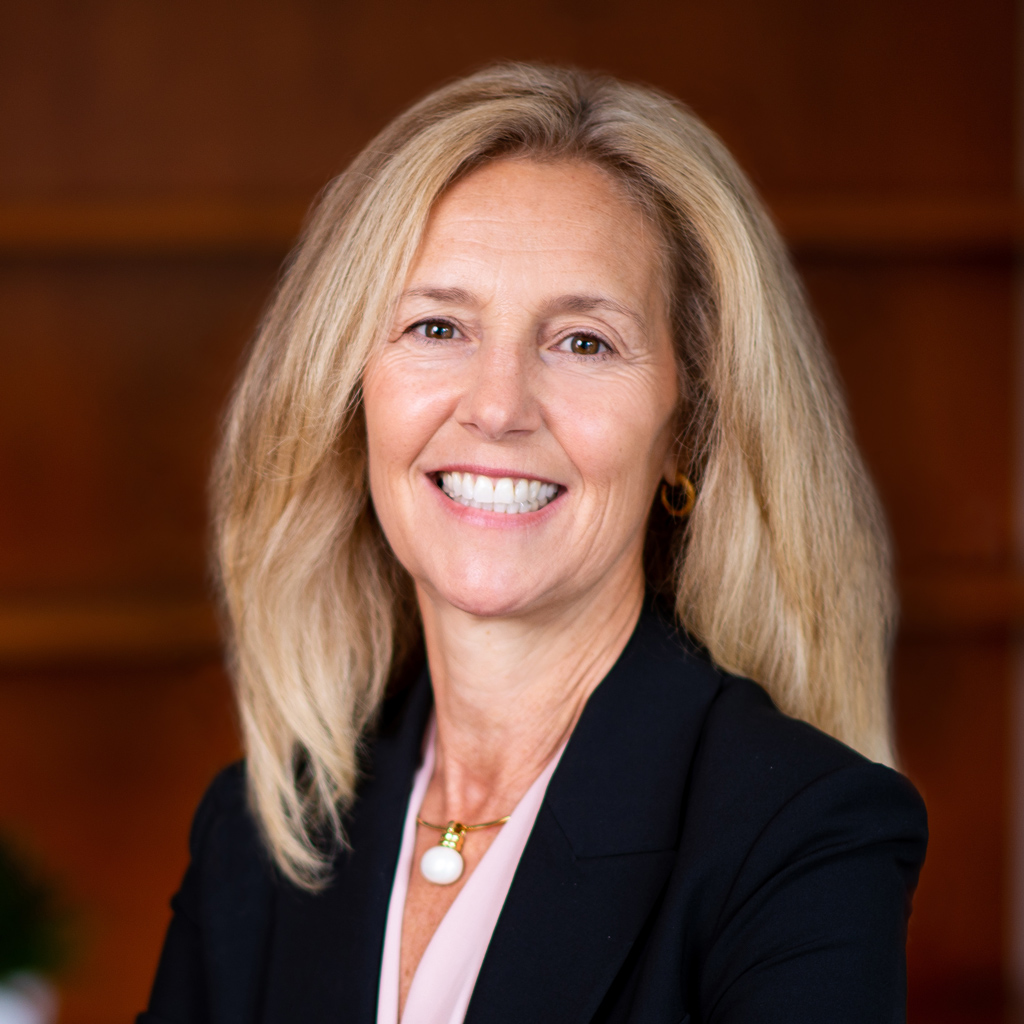
Christina Economos, PhD

Christina Economos is a prominent leader of interdisciplinary research in childhood obesity, community-based interventions, and nutrition science. She is Dean of the Friedman School of Nutrition Science and Policy at Tufts University, New Balance Chair in Childhood Nutrition, Professor at the Friedman School, and Professor of Public Health and Community Medicine at Tufts University School of Medicine. Her pioneering research has brought evidence-based, systems-level solutions to the forefront of policy and practice. She is an elected member of the National Academy of Medicine.


Neha Kothari, PhD
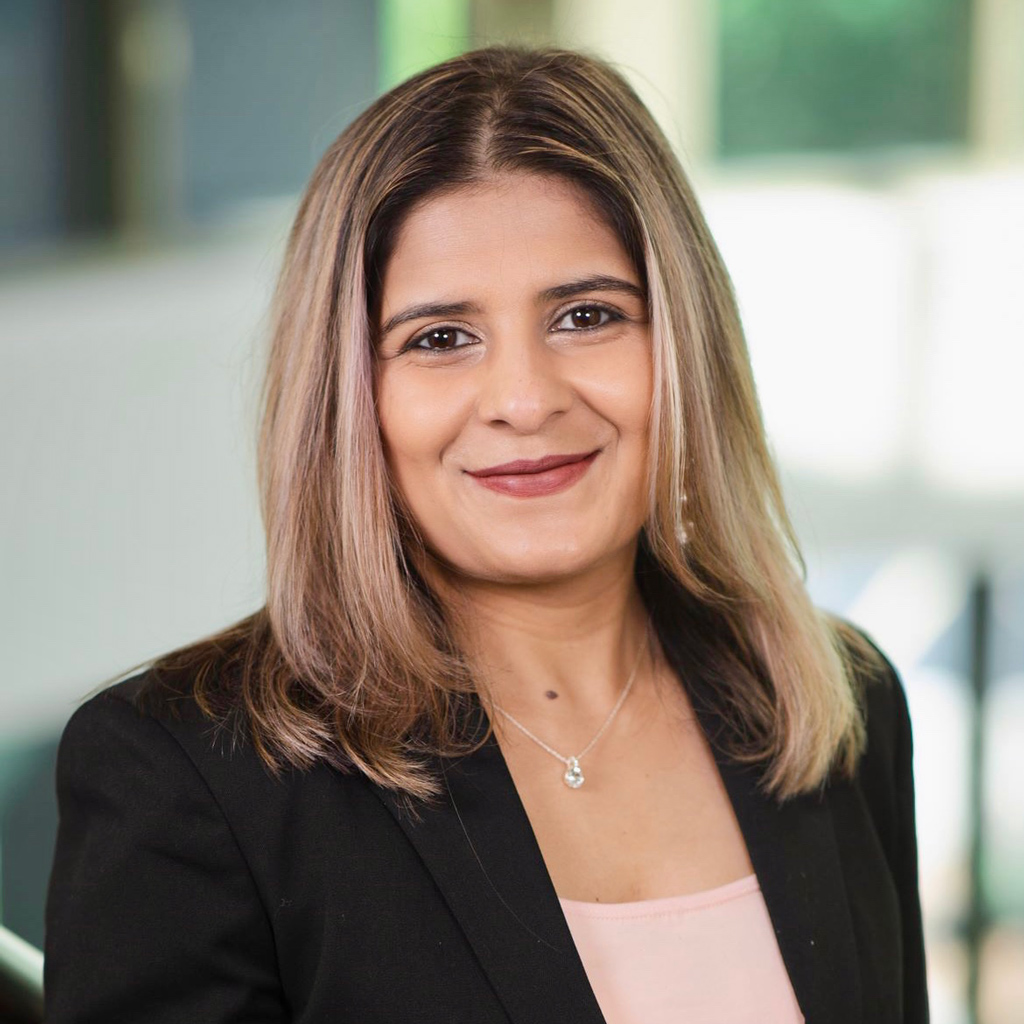
Neha Kothari, PhD

Dr. Neha Kothari is the National Program Leader under USDA’s Agricultural Research Service’s Crop Production and Protection unit, and her portfolio includes National Plant Germplasm System. A plant breeder by training, Dr. Kothari earned her Ph.D. in Plant Breeding from Texas A&M University and has built a multidisciplinary career spanning plant breeding, genetic resources, and germplasm conservation. Her scientific work has centered on the evolving role of germplasm collections as critical engines for innovation, positioning them as dynamic platforms for discovery, resilience, and agricultural advancement.

She has held leadership roles across numerous research initiatives and professional organizations, including service on the Genetic Resources (NORGEN) Task Force; work as an expert advisor to the U.S. Plant Treaty Interagency Group; and nomination by the United States to the Ad Hoc Group on Conservation and Sustainable Use (ACSU) under the International Treaty on Plant Genetic Resources for Food and Agriculture. She is currently serving a four-year term with the executive committee for the National Association for Plant Breeding.

Moderators and panelists

Dan Charles
Dan Charles
Contributing Correspondent, Science Magazine; Former NPR Agriculture Correspondent
Dan Charles is a science writer and audio producer. As a correspondent on NPR’s science desk, he covered food, agriculture, and climate. He’s currently a contributing correspondent for Science. He has authored a book about the invention of genetically modified crops and a biography of the German-Jewish chemist Fritz Haber. He grew up on a dairy farm in Pennsylvania and lives in Washington, D.C.
Debra Haire-Joshu, PhD
Associate Dean for Faculty Affairs and Joyce and Chauncy Buchheit Professor in Public Health, WashU Bursky School of Public Health
Debra Haire-Joshu is Associate Dean of Faculty Affairs and the inaugural chair of the Joyce and Chauncy Buchheit Professorship in the Bursky School of Public Health. Dr. Haire-Joshu is a behavioral scientist and public health researcher who develops and tests population-wide interventions to prevent obesity, diabetes, and cardiovascular disease among women and children. She leads the NIH-funded Center for Diabetes Translation Research and the ENRICH trial and has contributed extensively to research, policy, and national advisory committees.
Panos Kouvelis
Panos Kouvelis, PhD, MBA, MS
Emerson Distinguished Professor of Supply Chain, Operations, and Technology and Director of The Boeing Center for Supply Chain Innovation
Panagiotis (Panos) Kouvelis is the Emerson Distinguished Professor of Supply Chain, Operations, and Technology at WashU’s Olin Business School and Director of the Boeing Center for Supply Chain Innovation. A leading scholar in operations and supply chain management, he has authored more than 140 academic publications and 11 books. His research focuses on supply chain management, operational strategy, business model innovation, resilience, and technology, with applications across industries and global markets.
Heidi Lucas
Heidi Lucas
Executive Director, Missouri Rural Health Association
Heidi Lucas is Executive Director of the Missouri Rural Health Association, where she leads statewide advocacy, partnerships, and educational initiatives to improve healthcare outcomes for rural Missourians. With more than two decades of public health and nonprofit leadership experience, she has helped advance healthcare access, workforce development, Medicaid priorities, and healthcare policy reform across Missouri. A respected voice in rural health, she has been featured by CNN, The Atlantic, the Missouri Independent, and Kansas City NPR.
Andrew Bremer
Andrew Bremer, MD, MAS, PhD
Director, NIH Office of Nutrition Research
Andrew (Drew) A. Bremer, MD, PhD, is Director of the NIH Office of Nutrition Research and Acting Director of the NIH Office of Dietary Supplements. A board-certified internist, pediatrician, and pediatric endocrinologist, his expertise includes obesity, endocrine disorders, the developmental origins of health and disease, and the role of nutrition across the life course. He previously served as Chief of the Pediatric Growth and Nutrition Branch at the Eunice Kennedy Shriver National Institute of Child Health and Human Development.
Alex DiNovo
Alex DiNovo
President, DNO Produce
Alex DiNovo is President of DNO Produce, a fresh-cut processor and distributor serving customers across a multi-state network. His work focuses on expanding access to and consumption of fresh fruits and vegetables, particularly through K–12 nutrition programs, food education, and institutional procurement. Working at the intersection of supply chains, public health, and education, DiNovo also serves on the Urban School Food Alliance Federal Procurement Workgroup and in leadership roles with the International Fresh Produce Association and Foundation for Fresh Produce.
Lisa Washburn
Lisa Washburn, DrPH
Associate Vice Chancellor for Extension and Engagement, University of Missouri
Dr. Lisa Washburn is Associate Vice Chancellor for Extension and Engagement at the University of Missouri, providing statewide leadership for MU Extension’s educational programs and initiatives. With more than 25 years in the land-grant system, she has served in roles ranging from county agent to state administrator. Her work focuses on connecting university research and expertise with communities to address complex challenges at the intersection of food, agriculture, health, and community well-being.
Angie Eckert
Angie Eckert
Vice President Retail Operations, Eckert Farms
Angie Boeker Eckert is Vice President of Retail Operations for Eckert’s, her family’s seventh-generation orchard and farm operation based in Belleville, Illinois, where she oversees the specialty food store, garden center, and retail products across multiple farm locations. Trained in horticulture and agricultural education, she previously taught horticulture at Southwestern Illinois College and coordinated adult education programs for the Missouri Botanical Garden. Eckert is an active advocate for local foods and regularly engages visitors and community groups.
Samuel Crowell
Samuel Crowell, PhD
Vice President, Science, Trade, and Global Affairs, American Seed Trade Association
Sam Crowell, PhD, is Vice President for Science, Trade, and Global Affairs at the American Seed Trade Association, where he leads engagement on trade policy and germplasm issues. He previously held positions with the U.S. Department of State, U.S. Trade Representative, and USDA, working on food security, trade, regulatory, and science policy. Crowell holds a PhD in plant sciences and international development from Cornell University, where his research included rice germplasm, genomics, and phenotyping at the International Rice Research Institute (IRRI).
Gibron James
Gibron Jones
Executive Director, HOSCO SHIFT
Gibron Jones is a St. Louis-based farmer, social entrepreneur, and Executive Director of HOSCO SHIFT, a nonprofit connecting agriculture with health, economic opportunity, and community development. Through HOSCO SHIFT and the North Sarah Food Hub, Jones works to expand local food production and access to nutritious foods while creating opportunities for farmers, food entrepreneurs, and residents. His work integrates urban agriculture, food production, workforce development, and community partnerships to strengthen regional food systems and improve community health.
Mark Scott
Mark G. Scott
Grain/Cattle Farmer; Board member, Missouri Farmers Association
Mark Scott is a third-generation farmer who owns and operates a diversified row crop and cattle farm in Wentzville, Missouri. Mark uses conservation and no-till practices, variable rate fertilized applications, and GPS navigation on all acres. He also served on action teams for National Corn Growers and US Grains Council. He currently serves on the Board of Directors for MFA Incorporated, the largest agriculture cooperative in Missouri, and previously served on the Missouri Corn Growers Association and Missouri Corn Merchandising Council as president and chairman
Patrick Aguilar, MD
Professor of Practice of Organizational Behavior, Managing Director for Health, WashU Olin School of Business
Patrick Aguilar, MD, MBA, is the managing director of health and a professor of practice of organizational behavior at Olin Business, and maintains a practice in pulmonary medicine at WashU Medicine. He works at the intersection of business and public health, aligning financial returns with social good, bridging academic theory with solutions to drive change and help health-care providers, employers, investors, and entrepreneurs use business as a force for better health.
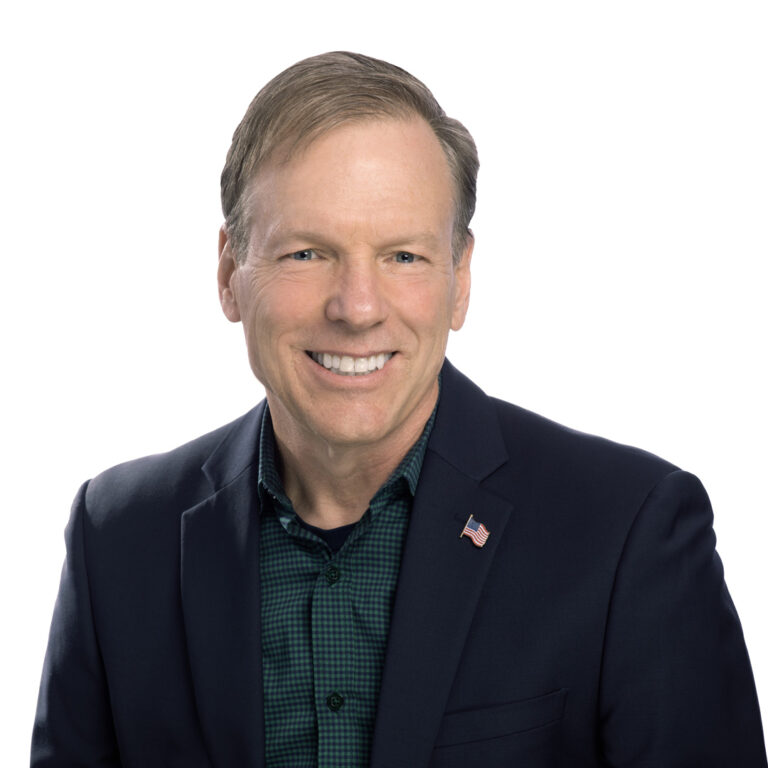
Don Carpenter, CEO, Cedar County Memorial Hospital
Don Carpenter
CEO, Cedar Country Memorial Hospital
Mr. Carpenter joined Cedar County Memorial Hospital in El Dorado Springs, Missouri, in March 2026 after 15 years at Beatrice Community Hospital, where he served as Senior Executive of Strategic Services. He helped guide BCH to national recognition, including Chartis Top 100 and Top 20 honors and designation as a Forbes Top Hospital for 2026. At CCMH, he is leading strategic planning to align resources with community needs and strengthen services and quality of care.
Uriyoán Colón-Ramos
Uriyoán Colón-Ramos, ScD
Associate Professor and Director of the Diet Disparities Lab, WashU Bursky School of Public Health
Uriyoán Colón-Ramos is a public health nutrition scientist with expertise in the use of community-participatory mixed methods approaches. She directs the Diet Disparities Co-Lab, where she studies what people eat, why they make those choices, and how policies and programs can best facilitate health-promoting diet behaviors. Colón-Ramos has worked extensively across the Americas to examine how policies and nutritional guidance align with the lived experience of the communities that she works with.
Lindsey Filiatreau, PhD
Assistant Professor, Bursky School of Public Health
Lindsey Filiatreau is an epidemiologist with expertise in leading HIV and mental health research in rural and other resource-constrained settings. Her overarching goal is to improve health services and ensure equitable health outcomes for people with comorbid chronic and mental health conditions.
Cary Fowler, PhD
President, Food Security Leadership Council
P.J. Haynie III
CEO, Haynie Family Foods
Lora Iannotti
Lora Iannotti, PhD
Lauren and Lee Fixel Distinguished Professor, founding director of the E3 Nutrition Lab, co-director of FARM, WashU Bursky School of Public Health
Lora Iannotti’s research focuses on nutrition solutions that advance equity, environmental sustainability, and healthy child development. Through the E3 Nutrition Lab, she leads projects in Ecuador, Haiti, and Madagascar testing approaches to sustainable, healthy diets for young children. Her work on animal-source foods has informed global discussions on nutrition equity, climate change, and planetary boundaries. She also co-directs WashU’s Food and Agriculture Research Mission and advises global initiatives on maternal and child nutrition.
David Spielman, PhD
David Spielman, PhD
Lauren and Lee Fixel Distinguished Professor, WashU Bursky School of Public Health
David Spielman’s research examines how policy choices shape agrifood systems and influence nutrition, health, and environmental outcomes. Before joining WashU in 2026, he directed the Innovation Policy & Scaling Unit at IFPRI, leading research on agricultural innovation, seed systems, extension, scaling, and rural development across low- and middle-income countries. His work has spanned Africa and Asia, including establishing IFPRI’s Rwanda Strategy Support Program. He holds a PhD in economics from American University.
Jeff Barry, MBA
Jeff Barry, MBA
Director of Innovation, Dot Foods
Jeff Barry has more than 25 years of experience bringing new products and business models to market across consumer goods, technology, financial services, pharmaceuticals, and startups. He currently leads innovation at Dot Foods, the largest food redistributor in the United States. Previously, he led front-end innovation at Nestlé Purina and held innovation roles at Anheuser-Busch. Barry also teaches innovation at Saint Louis University and Maryville University and frequently speaks at consumer products, supply chain, and innovation conferences.
Ross C. Brownson, PhD
Steven H. and Susan U. Lipstein Distinguished Professor, Bursky School of Public Health
Ross Brownson studies the dissemination and implementation of evidence to public health practice and policy, with a content focus on environmental and policy determinants of chronic diseases, and has received numerous awards for his work. He directs the Prevention Research Center and co-directs the Center for Diabetes Translation Research. Brownson is also the author or editor of over 650 peer-reviewed articles and 15 books.