October 1, 2026
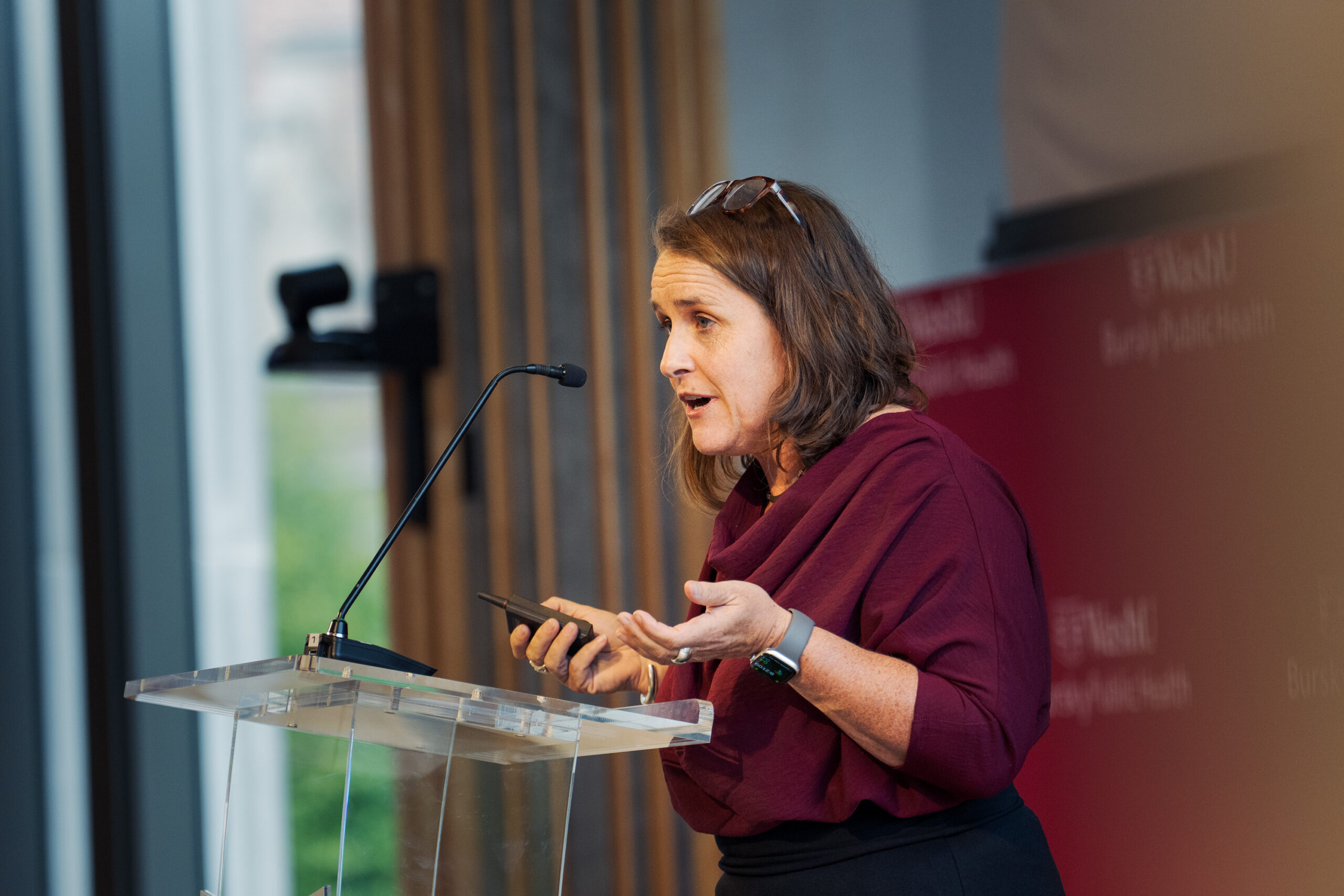
A conversation with Amanda Gilbert, chronic diseases researcher
A one-time social worker, Gilbert transitioned from helping patients navigate serious illness to studying how to prevent it


A career that began in the U.S. Army caring for active-duty personnel and their families has evolved into leading research, mentorship, and partnerships reshaping cardiovascular health in St. Louis and around the world.
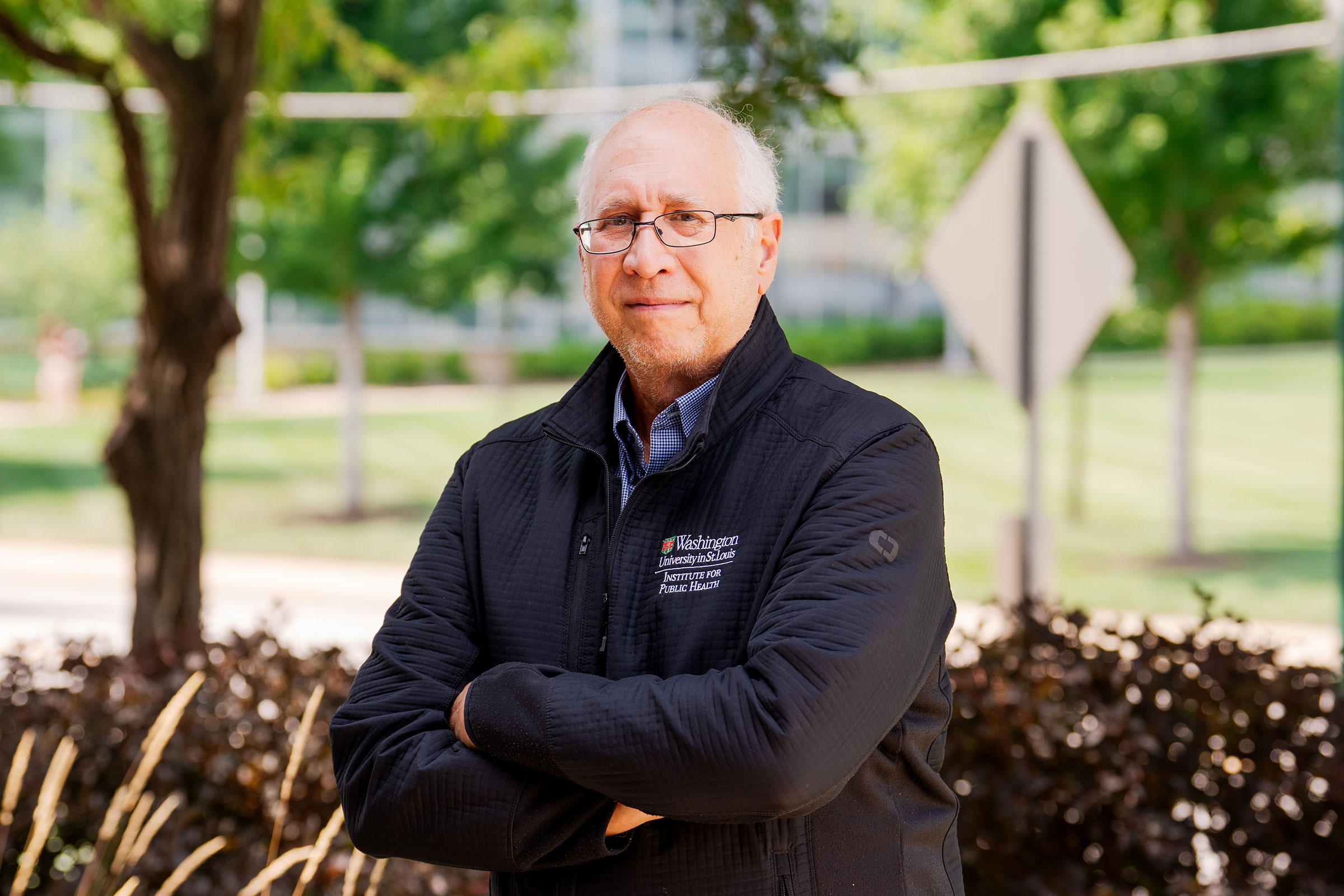
Victor G. Dávila-Román, MD, decided early in medical school in Puerto Rico that he wanted to spend his career healing the heart, after summers spent shadowing his favorite cardiology professor. A path that ran through the U.S. Army and clinical training in St. Louis led him to the WashU faculty in 1988, where he is now a professor of medicine, anesthesiology and radiology at WashU Medicine and a secondary faculty member at WashU Bursky Public Health. Over the course of his career in patient care, his passion for cardiovascular research grew.
“At the most basic level, I am a physician, and my passion has always been caring for individual patients,” Dávila-Román said. “But in an academic environment, you naturally want your work to reach more people. I realized that to improve the health of larger populations, locally and globally, I needed to engage in areas traditionally within public health.”
Dávila-Román joined WashU Bursky School of Public Health in 2025 and co-directs the school’s Global Health Futures research network. He also serves as director of WashU Medicine’s Global Health Center. His work is funded by the National Institutes of Health (NIH) and spans hypertension, heart failure and cardiovascular health in pregnancy in the U.S., Peru and Nigeria — all built on long-term partnerships with researchers in each country.
Here, he reflects on how cardiology has changed, why he turned to global health, and what he hopes comes next.
“Cardiology has advanced across nearly every condition we treat. When I was in medical school, a patient arriving with a heart attack was admitted to the coronary care unit, given oxygen and put on bed rest, often for two to three weeks. Today, that same patient goes straight to the catheterization laboratory, where the blocked artery is opened immediately; they are monitored overnight, and many go home within a day or two on medications that prevent a recurrence. That is a spectacular transformation, and I have had the privilege of watching many of these advances unfold.”
“Progress and challenges differ sharply between high-income countries and low- and middle-income countries (LMICs). High-income countries have made real gains against atherosclerosis, the major cause of heart attacks and strokes. Newer medications and interventional procedures have transformed care also for other chronic cardiovascular conditions such as heart failure, valvular heart disease and rhythm disorders, and artificial intelligence is changing how we use imaging to diagnose cardiovascular disease.
“In many LMICs, those advances are limited or absent. Advanced facilities may exist only in large cities, leaving people in rural areas without access and driving disparities. With hypertension, despite multiple classes of effective and inexpensive medications, many patients remain undiagnosed and untreated, largely because there are too few trained physicians. Our research promotes task shifting, an approach endorsed by the World Health Organization in which nurses, pharmacists, community health workers, and others are trained to evaluate, diagnose, and treat hypertension in teams, following standardized protocols. That frees physicians for complex cases and is a necessary step toward closing the workforce gap.”
“I have been involved in global health since early in my career as a junior faculty member at WashU. Teaching medical students and young doctors in Costa Rica, Guatemala and Eritrea, I became aware of the terrible cardiovascular disease statistics in these and other LMICs. These countries face a heavy burden of infectious disease, poverty and public health inequities, while young people are having heart attacks and strokes and developing chronic diseases that in high-income countries appear 20 to 30 years later. That gap convinced me we could have a real impact on heart health in these settings.
“Hypertension was the obvious target: it is highly prevalent, protocols for evaluation and treatment are standardized, and many medications are affordable. The challenge is to work with local researchers, primary care providers, and ministries of health to demonstrate, using implementation science frameworks, that multicomponent strategies are effective in detecting, treating, and controlling high blood pressure. It sounds simple, but the evaluation requires extensive, detailed work, and the findings then have to be converted into policy so they can be applied across an entire health system.”
“I had a scholarship from the U.S. Army, so after medical school in Puerto Rico I went to San Antonio for my internal medicine internship. The Army then assigned me to St. Louis, where I spent four years in a primary care clinic caring for many patients with hypertension and diabetes, which further stimulated my passion for cardiology. During that time I became closely connected with WashU, regularly attending Medicine Grand Rounds and building relationships with faculty. That led to my internal medicine and cardiology training at what was then The Jewish Hospital of St. Louis, followed by cardiac imaging training in echocardiography and nuclear cardiology at Barnes Hospital, now Barnes-Jewish Hospital. When I finished my fellowship in 1988, I was offered a faculty position, and I’ve been here ever since.”
“The financial incentives of private practice are very attractive; academic physicians typically earn a fraction of what those in private practice do. But money doesn’t always bring happiness, and at the end of the day you must follow your passion. At WashU, I found outstanding mentors, a stimulating academic environment, and great colleagues who made it easy to stay. When I started, there weren’t many faculty members from backgrounds like mine, but I was given great opportunities. Now I want to pay that back by helping train others who want to pursue research careers.”
“I spend nearly 90 percent of my time on research. I direct a core laboratory at WashU Medicine that provides cardiovascular phenotyping services to researchers across the university. I also direct the Global Health Center in the Department of Medicine, where our team manages a portfolio of roughly $20 million in NIH funding across multiple projects. And I still work in the echocardiography laboratory at Barnes-Jewish Hospital, interpreting ultrasound images of the heart.”
“I am proud of our work training junior researchers through NIH-funded programs such as the RADIANCE summer program, which expanded in 2026 in partnership with the Bursky School of Public Health and engaged more than 30 undergraduate and graduate students in mentored, interdisciplinary research. Through another NIH-funded grant, we have trained more than 90 junior faculty from backgrounds underrepresented in biomedical research over the past 18 years. We also have global health training grants in several LMICs, including Peru and Rwanda.
“I am also proud of our global health team, which has been remarkably successful in securing NIH grants, particularly through challenging periods, the COVID-19 pandemic and, more recently, funding changes at NIH. Despite those pressures, the team has remained very productive, reinforcing the importance of adapting and prevailing in difficult circumstances.”
“One of my long-term goals has been to strengthen global health collaboration across WashU, leveraging the incredible faculty and staff at the Schools of Medicine, Public Health, Engineering and Arts & Sciences and the Brown School. I believe WashU has the potential to become one of the strongest global health research centers in the U.S. and the world. That has been my passion for a long time, and I hope that with the support of university leadership we will continue to build on that progress.”
Judith Mwobobia, MPH, is the inaugural Writing Fellow for the Bursky School of Public Health Office of Communications. Mwobobia is a PhD student in public health sciences and previously was a journalist in Kenya. She writes profiles and helps cover the news of the school, with a particular focus on student- and education-related stories.
October 1, 2026
A one-time social worker, Gilbert transitioned from helping patients navigate serious illness to studying how to prevent it
The Source
September 25, 2026
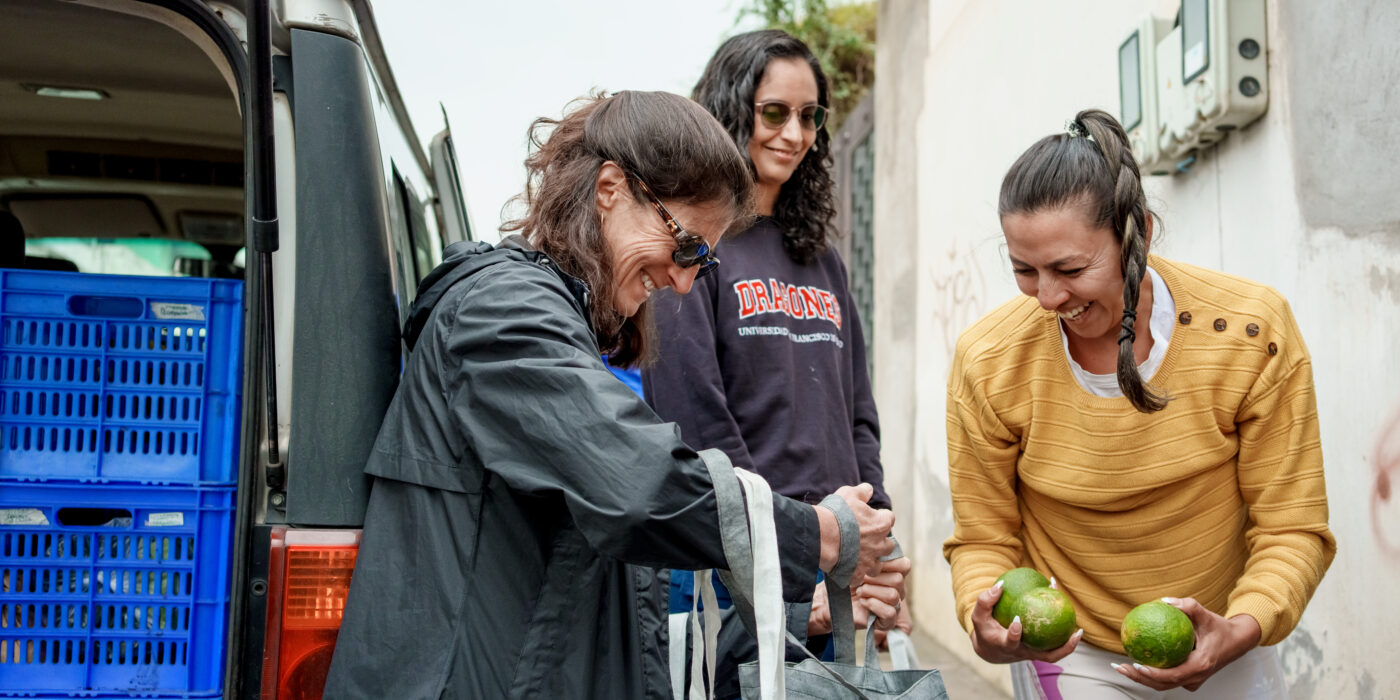
Bursky Public Health's Lora Iannotti and colleagues tested whether a diverse diet inspired by ancestral eating patterns could support maternal nutrition and fetal development.
September 25, 2026
Experts from public health and other fields came together to discuss how and why to build a listening infrastructure