November 25, 2026
A conversation with systems scientist Ross Hammond
Hammond’s work helps identify interventions most likely to succeed in real-world settings



Funding supports development of centers on maternal health, green infrastructure design, human-centered AI and mycobacterial disease
Four research teams that include members of the Bursky Public Health faculty have received Transcend Initiative funding from Washington University in St. Louis. The Transcend Initiative program provides seed funding for collaborative, interdisciplinary teams to develop research centers around topics with the potential for great impact. The four projects are:
Pregnant people in St. Louis face high rates of pregnancy complications such as preeclampsia and pre-term birth that can cause long-term harm to the health of both mother and child. The reasons for this elevated risk are not fully understood, but environmental pollutants such as metals and chemicals — byproducts of the city’s long industrial history — may be contributing. In addition, St. Louis has stark racial and socioeconomic disparities in maternal and infant health that are rooted in longstanding social inequities.
The EMBRACE team will create a collaborative at WashU to disentangle the environmental and social drivers of pregnancy complications in the St. Louis area, a critical step toward improving health for all women and children in the region. The team is taking a community-engaged approach to identify the important drivers of these disparities. In addition, the team will establish a WashU-led Midwest consortium of pregnancy research collaboratives focused on the same theme.
The tree canopies, parks and gardens embedded within built environments are collectively known as green infrastructure. They have numerous benefits, including cooling neighborhoods, managing stormwater runoff, purifying the air and providing places for exercise and relaxation. Many urban neighborhoods lack adequate green infrastructure — a problem that will only become more pronounced as the climate changes and extreme weather events become more common.
With expertise in ecology, climate science, urban design and public health — and a strong and growing network of community and government partnerships — this Transcend Initiative team will create a collaborative hub to identify just and sustainable approaches to the design and implementation of green infrastructure in St. Louis and cities worldwide.
The Initiative for Multi-Agent and Generative AI for Interdisciplinary Nexus and Engagement (IMAGINE) integrates agentic and generative artificial intelligence (AI) with expertise in epidemiology, behavioral science, health communication and policy to strengthen the public health policymaking pipeline — from community-informed data collection to policy modeling, explanation and large-scale public messaging.
IMAGINE builds a cross-campus research network, launches flagship interdisciplinary projects addressing urgent public health challenges, and develops shared infrastructure for responsible, transparent, and trustworthy AI. Through coordinated seed funding, joint programming with complementary initiatives, and collaboration with community stakeholders, it will produce foundational research and deploy AI systems in real-world settings.
Tuberculosis (TB) kills more than a million people a year, making it the deadliest infectious disease in the world. TB is caused by the bacterium Mycobacterium tuberculosis. Related mycobacterial species — while nowhere near as widespread as M. tuberculosis — also cause a growing number of life-threatening, difficult-to-treat infections. The vaccines, drugs and public health approaches currently in use are inadequate to control mycobacterial disease. Better tools are desperately needed.
MycoTranscend brings together a cross-disciplinary team of researchers, patients and community members to develop and apply innovative strategies to detect, prevent and treat mycobacterial infections.
Tamara Schneider, MPH, PhD, is the assistant director of communications and senior science writer at Bursky Public Health. She holds a bachelor’s degree in molecular biophysics & biochemistry and in sociology from Yale University, a master’s in public health from the University of California, Berkeley, and a PhD in biomedical science from the University of California, San Diego. She joined WashU as a science writer in 2016.
November 25, 2026
Hammond’s work helps identify interventions most likely to succeed in real-world settings
November 25, 2026
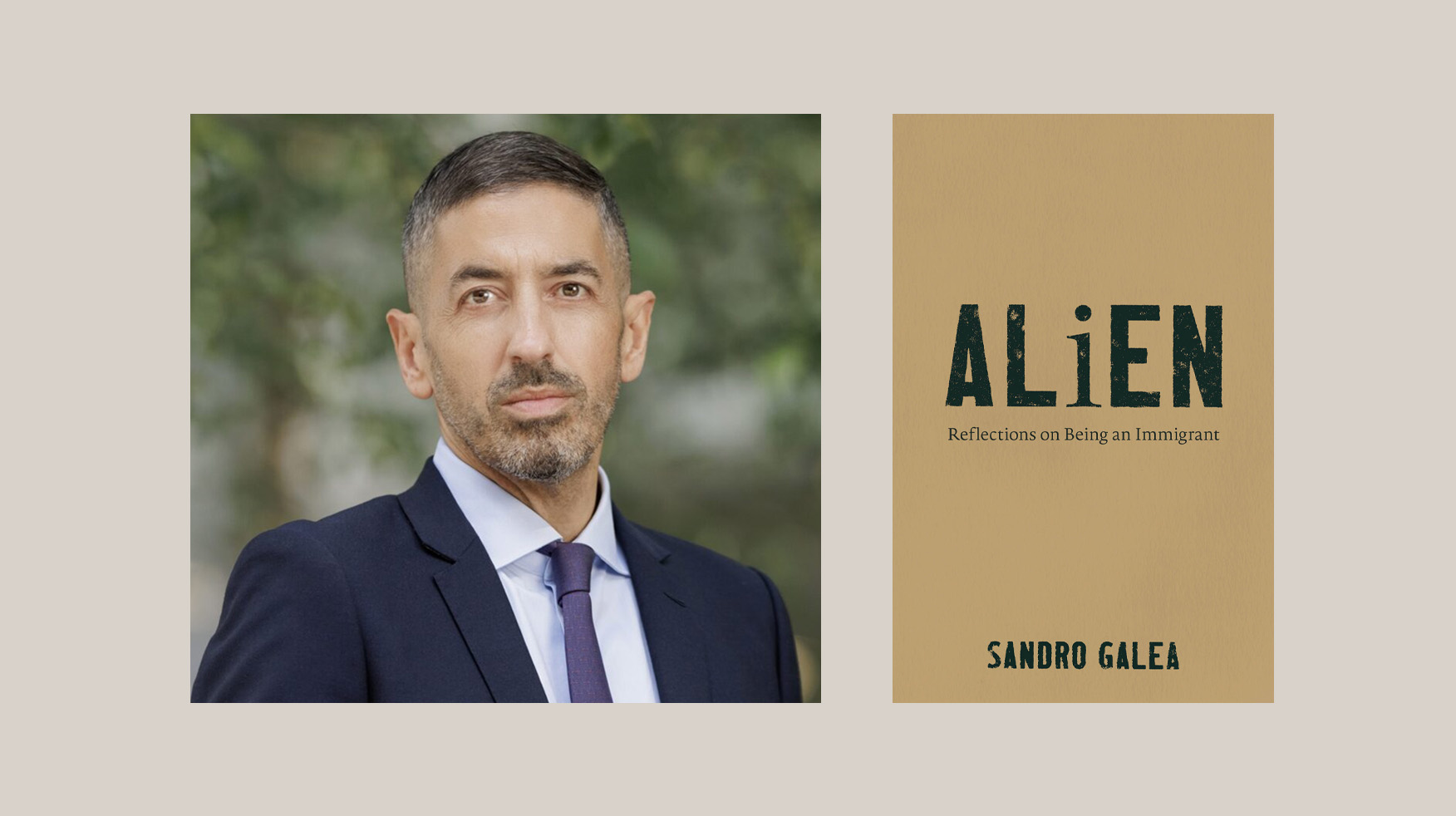
Galea’s newest book traces the path that took him to public health and American citizenship
November 20, 2026
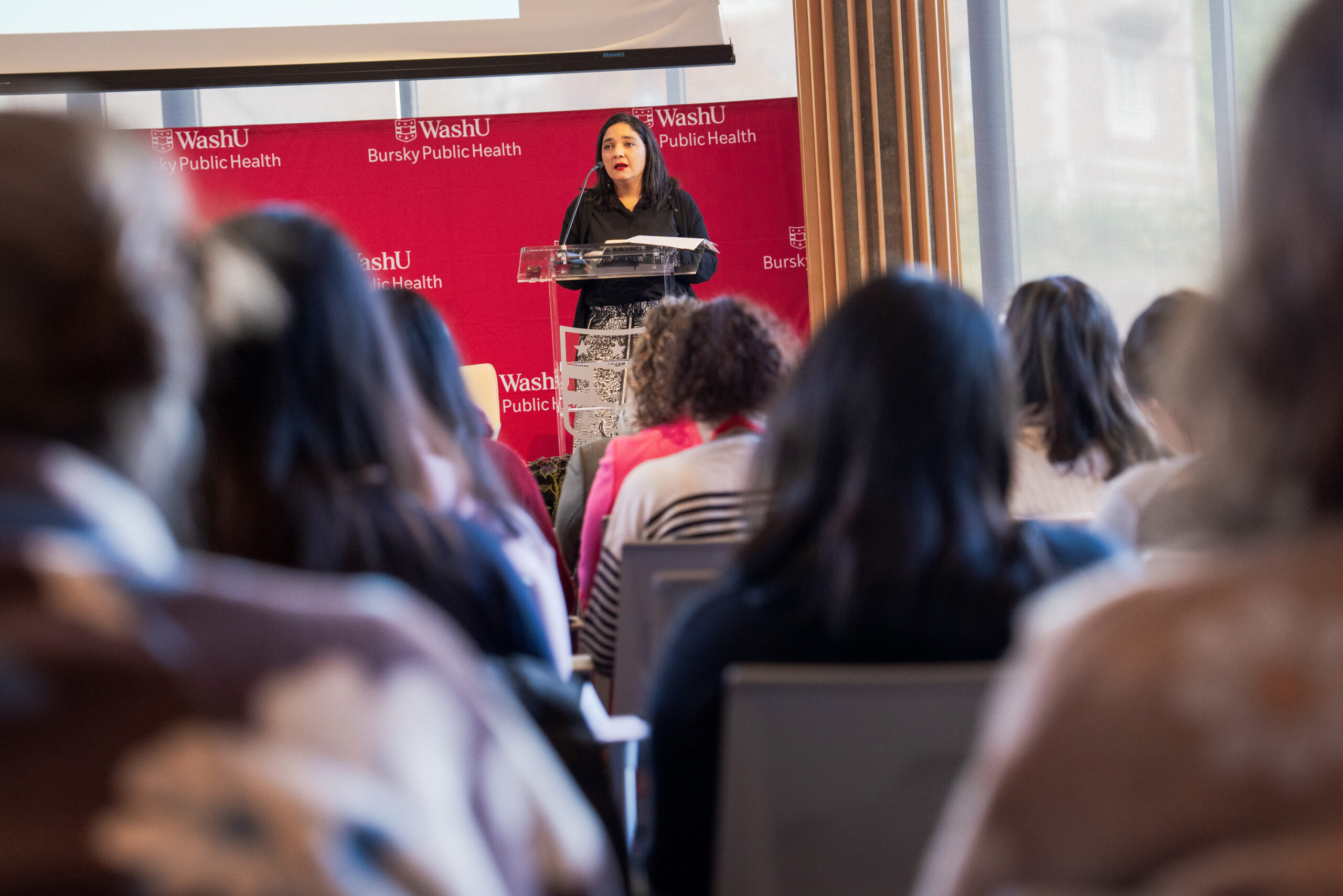
A convening explored how a human rights framework can address health inequities, improve public health and strengthen justice