November 25, 2026
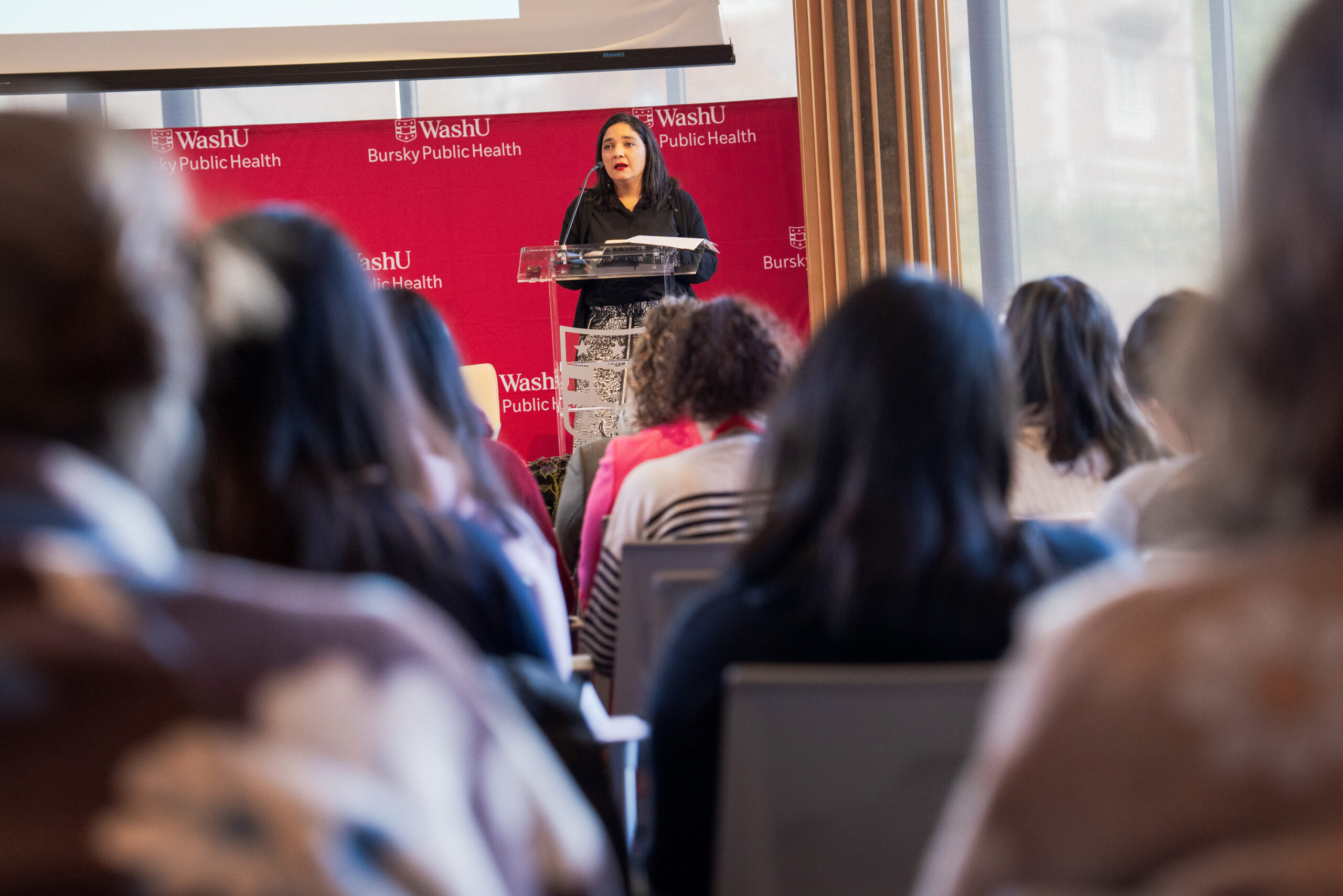
Transcend Initiative grants awarded to four teams with Bursky Public Health members
Funding supports development of centers on maternal health, green infrastructure design, human-centered AI and mycobacterial disease



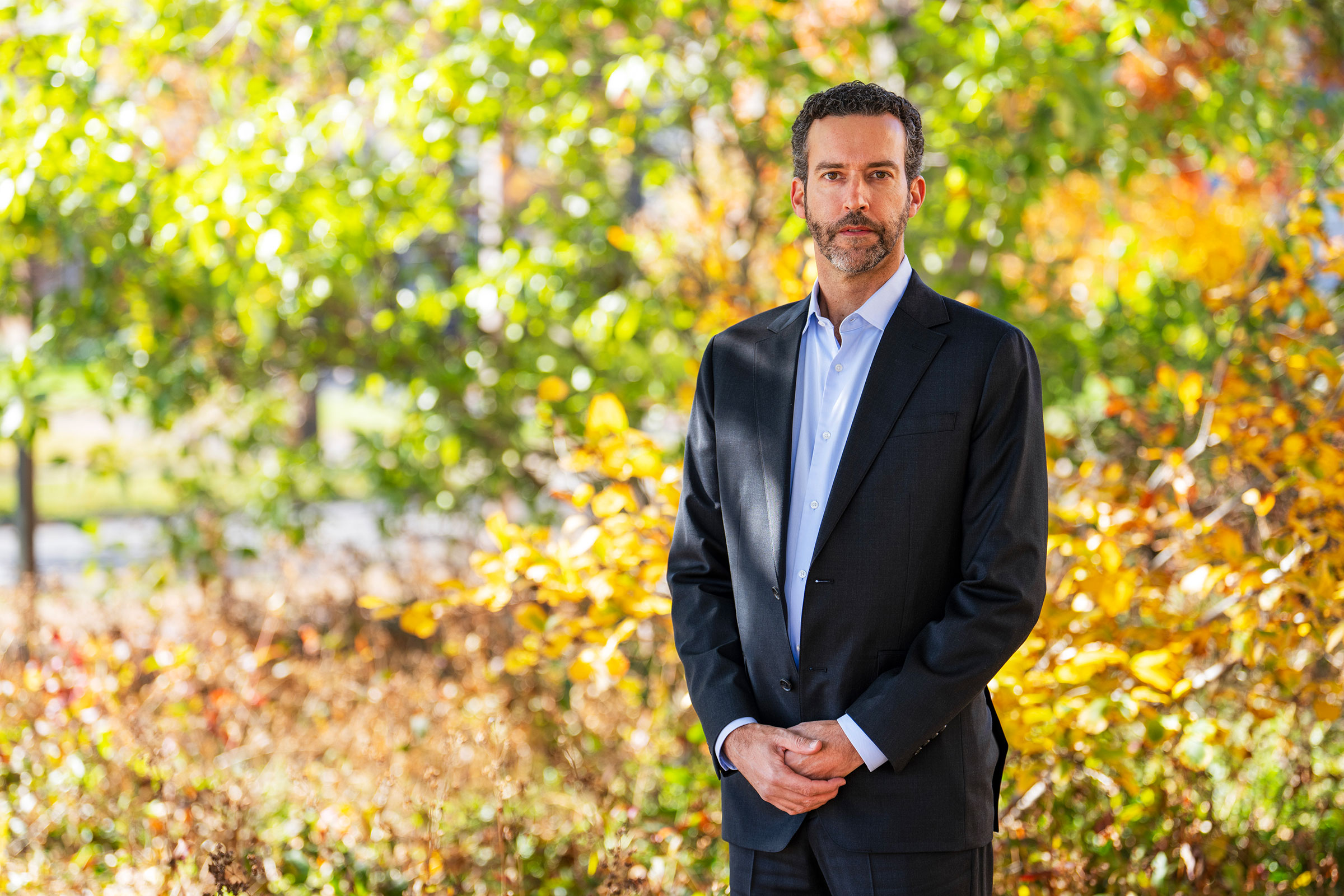
Hammond’s work helps identify interventions most likely to succeed in real-world settings
Imagine you are the director of a county health department and you want to reduce obesity in your community. You have a list of 27 evidence-based interventions in front of you. You only have the resources to implement one. Which would be the most effective for your county, and how do you know?
These are the kinds of questions Ross Hammond, PhD, answers. He uses computer simulations to explore the complex effects of policies and interventions, aiming to provide decision-makers with the information they need to choose the best approach for their unique situations.
“What we do is grow artificial societies on computers, and we use them to learn more about how real societies work in ways that we can't always with direct observation,” Hammond explained. “We also use these artificial societies to explore how different kinds of interventions we might think about doing in the real world will play out in this artificial world of the computer, so that we can do a better job of guiding investments in real-world interventions.”
Hammond has built a career around interrogating the behavior of complex systems, first as a political scientist and later as an economist at the Brookings Institution, a Washington, D.C.-based policy think tank. In 2018, he joined Washington University in St. Louis, where he is now a Distinguished Professor in Public Health Systems Science at the Andrew M. and Jane M. Bursky School of Public Health. He maintains an appointment at Brookings, where he also directs a research center.
“Having roles at both WashU and Brookings allows me to bridge the gap between research and policy and bring the academic and scientific work I do here at WashU into the hands of decision-makers, both at the federal level and at state and local levels,” he said.
Here, Hammond talks about what his work entails, questions that inspire him, and his pursuits outside research.
“Many of the problems we care about in public health involve interactions among people who are very different from one another, in contexts that are also very different. Those interactions can produce outcomes that aren't easy to understand, even if you understand the individual pieces. Complex systems science helps us understand how those interactions work by modeling them in a computer environment. It's kind of like a laboratory for policy, where we can conduct experiments in a computer-simulated world to better understand the consequences of real-world interventions.”
“Complex systems science is inherently interdisciplinary. The more you engage with complexity, the more you realize that no single discipline can cover all the pieces you need to consider. Like many complex systems scientists, I've moved across different fields. My core interest is social dynamics: how interactions among people generate population-level patterns. That question shows up across many disciplines. I started as a political scientist, spent time as an economist, and came to public health because I was already applying these tools to population health. It was a natural transition.”
“Discovering complex systems science as an undergraduate was the first. The ideas grabbed me and shaped where I went to graduate school and the direction of my work. Another turning point came around 2018 or 2019. After roughly a decade in the policy think tank world in Washington, D.C., I felt my work would benefit from deeper engagement with students and the diversity of disciplines represented at a university. That's why I came to WashU.”
“I'm proud of helping bring complex systems ideas and tools into the health sciences, where they were not widely known, and seeing them become part of the toolbox people use to understand difficult problems. I've had a particular impact in chronic disease prevention, especially childhood obesity prevention. The emphasis has shifted from pulling one lever at a time to thinking systemically about whole-of-community obesity prevention. That's a relatively new shift, and systems science has helped inform it.”
“They're looking for insights that their traditional tools haven't been able to provide. Scientists may have questions their field still can't answer. Policymakers may have tried several interventions that didn't work and want to understand why, or what might work better. These tools offer a different lens. I have a paper with Shari Barkin called 'Making Evidence Go Further,' which is about doing more with the data and knowledge we already have by understanding them in a new way.”
“One example comes from infectious disease control. During an earlier flu pandemic, there was a question about how best to use limited stockpiles of antiviral drugs. Older adults were at the greatest risk of serious complications or death, but the model suggested that the most effective use of the limited supply was to give it to school-age children instead. Children were at lower personal risk, but they were central to how the flu spread. Focusing the intervention there could interrupt transmission and protect more of the people at greatest risk than giving the drugs directly to them. It sounds counterintuitive, but it illustrates why a population perspective matters.
“We also worked with the St. Louis Department of Health during COVID-19, simulating around 100,000 different policy combinations involving vaccines, masks, shutdowns, and other measures to understand which might be most effective and for whom.
“Data are one input, but data alone aren't enough when understanding complex systems. You also need to understand the mechanisms or processes at work. When you put the two together, you can make more meaningful projections about what might happen.”
“Two areas are particularly interesting to me. One is how to use evidence from tools such as randomized controlled trials more effectively. If a decision-maker in St. Louis wants to use an intervention tested in Memphis, how can we translate what happened in that one setting into another? Much of my work in childhood health combines evidence from trials with systems science. The second area is understanding what new artificial intelligence (AI) tools can contribute to systems science, and how each can strengthen the other. I'm already working on both.”
“I was fortunate to get good advice early on: Find places where you can do your best work, where the ideas you care about are valued and supported. That has worked out well for me and helped me follow a somewhat unusual career path.”
“How to formulate a clear research question. When you build complex systems models, everything flows from the question. The more precise and specific it is, the easier it is to decide how to study it. We don't necessarily teach a whole class on that in graduate school, but a lot of the work of research happens in formulating a good question.”
“I'm an avid musician. Music and systems science are similar because they both involve creativity and technical skill. Just as different instruments come together to create something greater than the sum of their parts, systems science looks at how different elements interact to produce something new. Music also encourages me to experiment and try new ideas, which helps me as a scientist.
“I write my own music, have played in many bands, and enjoy recording and producing music. If I weren't a scientist, I'd love to compose music for film. I also enjoy spending time with my nine-year-old son, who shares my interests in music and engineering, and traveling to experience new places and cultures.”
Judith Mwobobia, MPH, is the inaugural Writing Fellow for the Bursky School of Public Health Office of Communications. Mwobobia is a PhD student in public health sciences and previously was a journalist in Kenya. She writes profiles and helps cover the news of the school, with a particular focus on student- and education-related stories.
November 25, 2026
Funding supports development of centers on maternal health, green infrastructure design, human-centered AI and mycobacterial disease
November 25, 2026
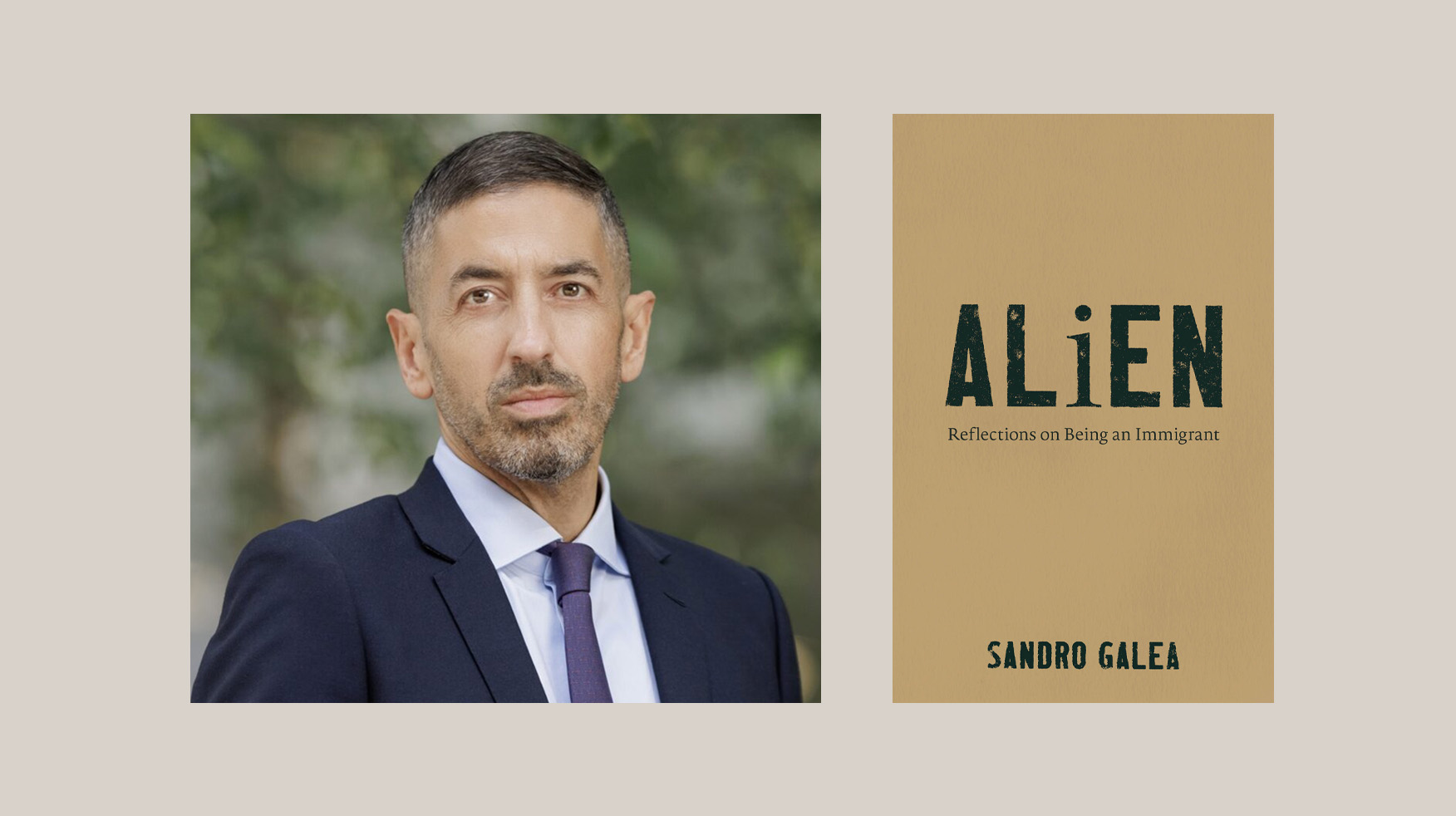
Galea’s newest book traces the path that took him to public health and American citizenship
November 20, 2026
A convening explored how a human rights framework can address health inequities, improve public health and strengthen justice