Looking at public health through the lens of human rights
Tamara Schneider
November 20, 2026
Copied!
A convening explored how a human rights framework can address health inequities, improve public health and strengthen justice
The fields of public health and human rights could learn much from each other. Lawyers can use public health approaches to better understand the population-wide impact of human rights violations, and gather evidence to prosecute crime or institute rules to prevent harm. Viewing public health through the lens of human rights can give public health researchers and practitioners a new perspectives on the relationship between health and dignity. It allows them to see people who have faced discrimination, violence or oppression in terms of both their health outcomes and as rights holders. Integrating public health and human rights can help move both fields toward their shared goal of creating the conditions in which all people can live healthy and dignified lives.
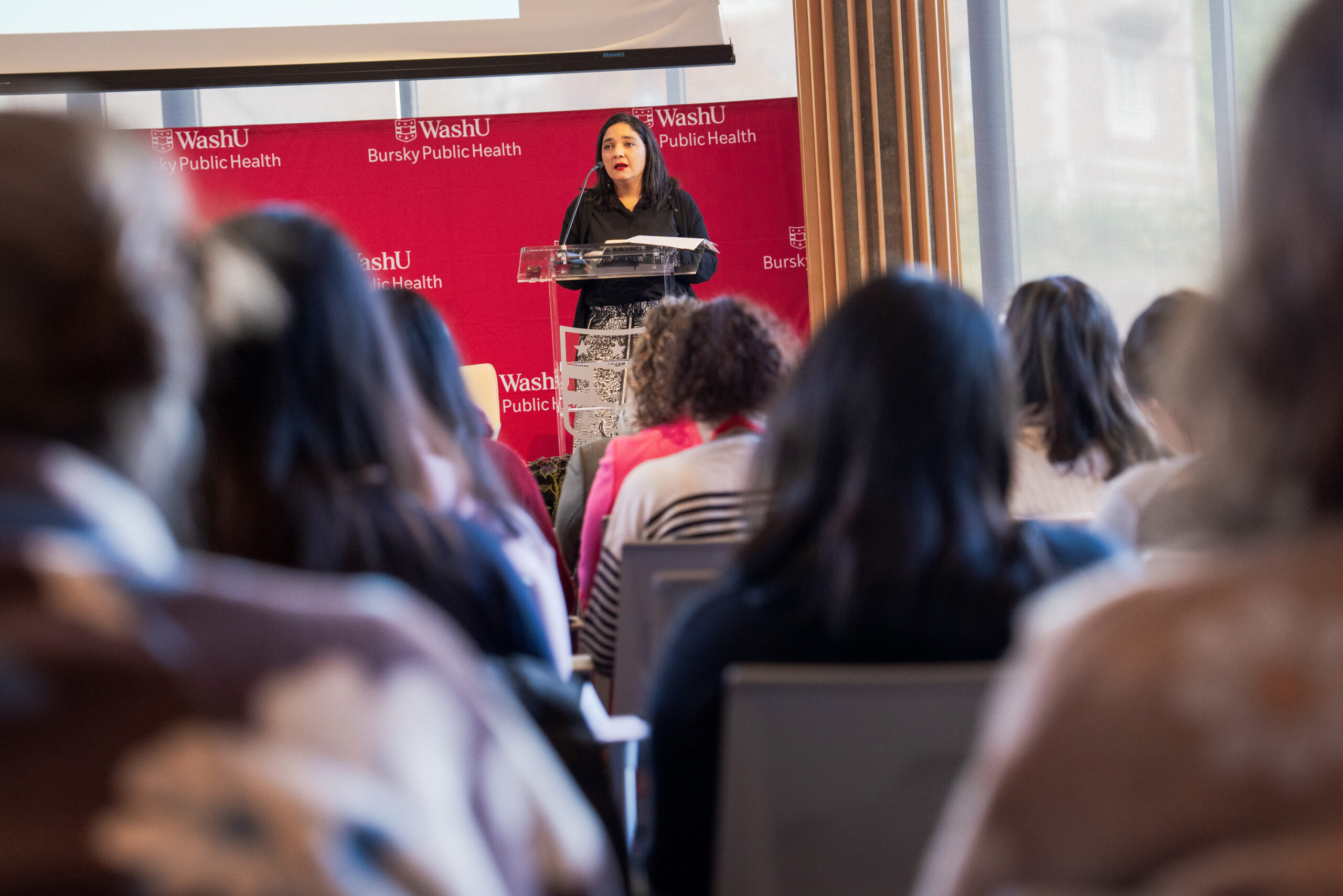
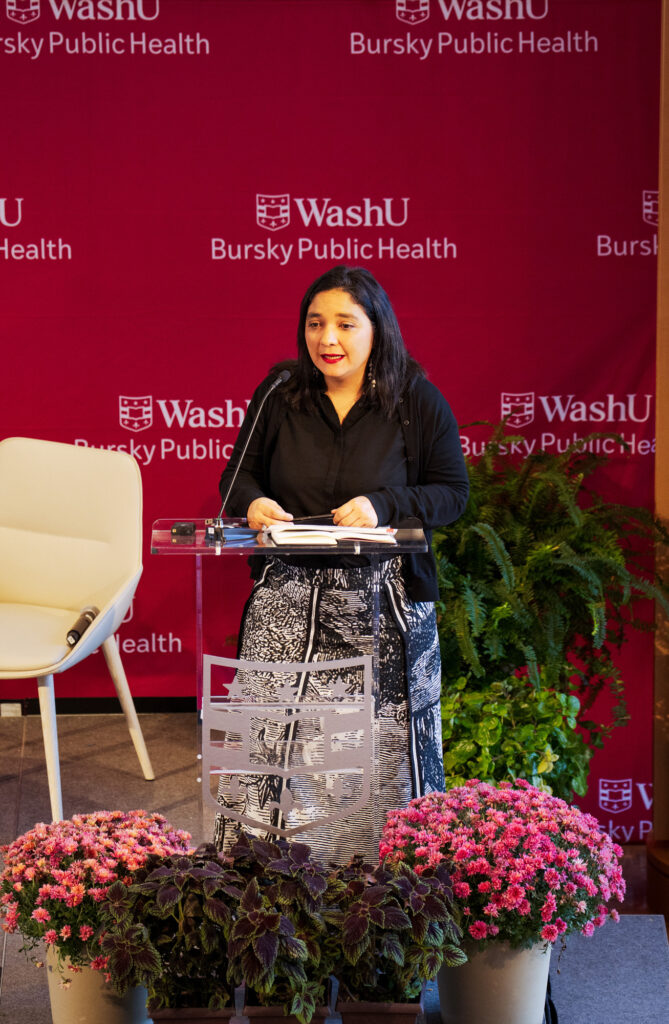
“We have to find a common language between what you do and what we do, because we have the same objective, the same purpose,” said keynote speaker Alexandra Sandoval Mantilla, JD, LLM, during her closing remarks. Sandoval is a judge and the coordinator of the Gender Commission of the Special Jurisdiction for Peace in Colombia. “We believe in human rights. We believe that everybody's equal, that everybody deserves a life without violence and discrimination. Today was a reminder how much of our work does not depend only on law, but on other fields such as medicine, psychology and public health. So, let this be an opportunity to build bridges.”
In the first panel session, experts in medicine, public health, human rights and immigration discussed how laws influence public health, particularly for immigrants and displaced populations. The conversation touched on the relationship between legal status and access to healthcare, why constitutional protections do not always translate into access to healthcare and health, and practical approaches to providing healthcare in a way that respects human rights, regardless of immigration status.
The second panel was composed entirely of lawyers who addressed how public health approaches could advance justice. The discussion covered how population-level data could provide evidence of human rights abuses and help prove cases in international courts, how public health problems such as gun violence and inadequate civil services in low-income neighborhoods could be framed as human rights issues, and more.
After the public session closed at lunch, the visiting experts met with faculty members from four WashU schools to think through the connections between public health and human rights more concretely and lay the groundwork for an interdisciplinary collaboration agenda.
See below for highlights from the event.
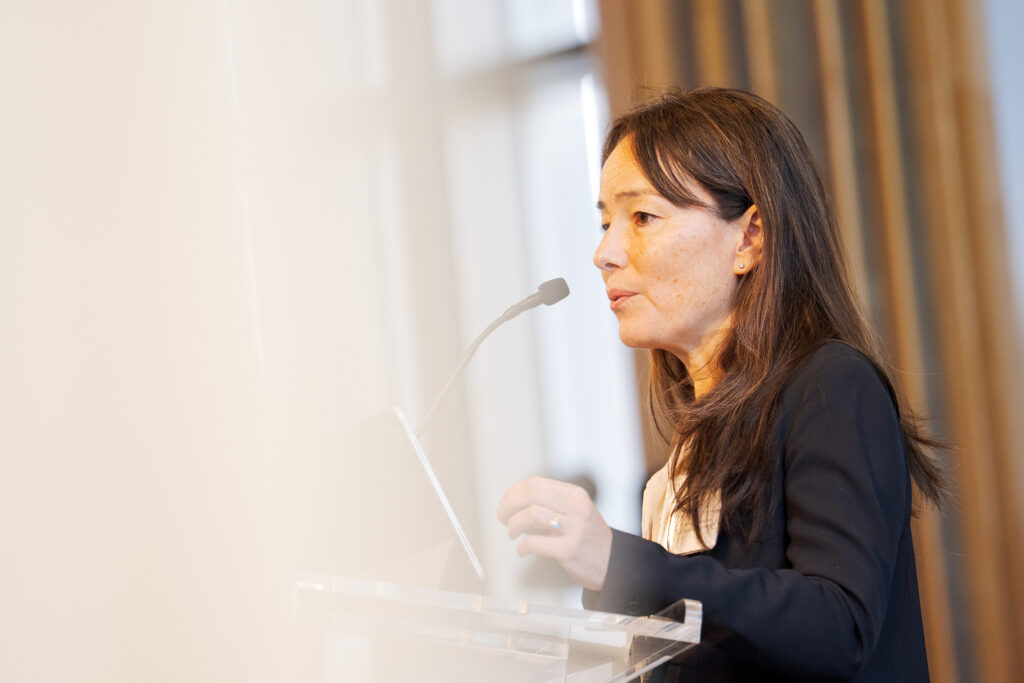
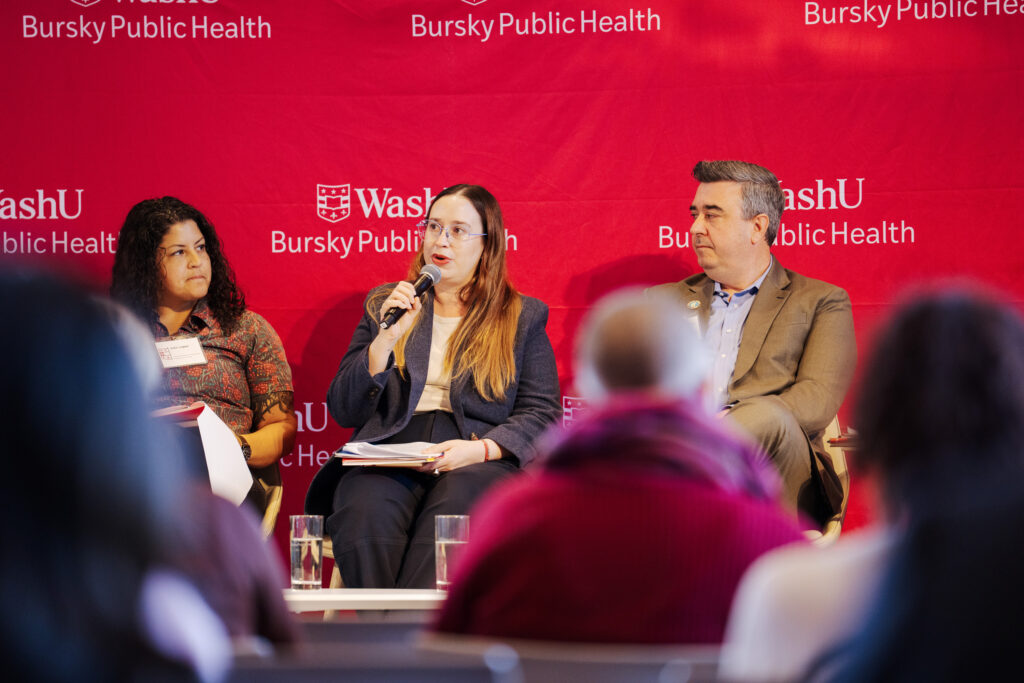
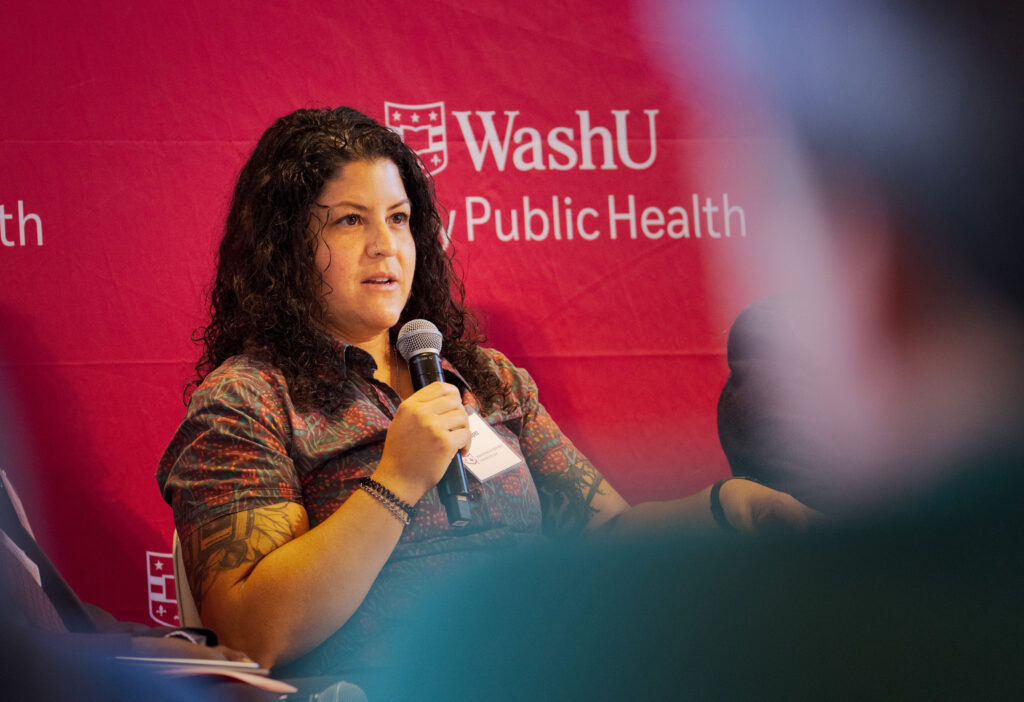
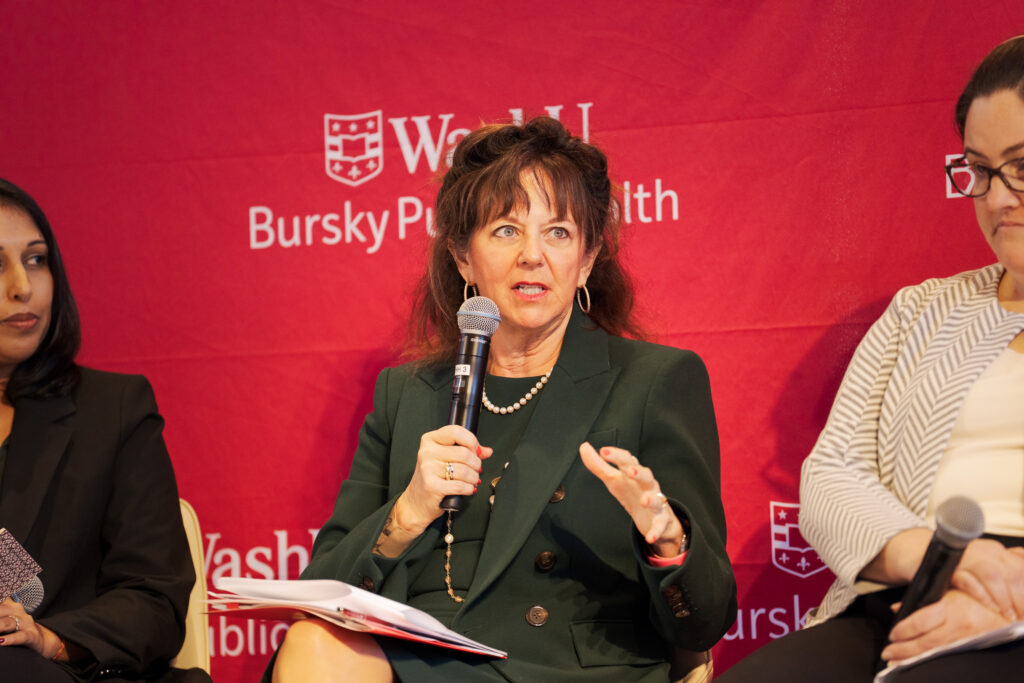
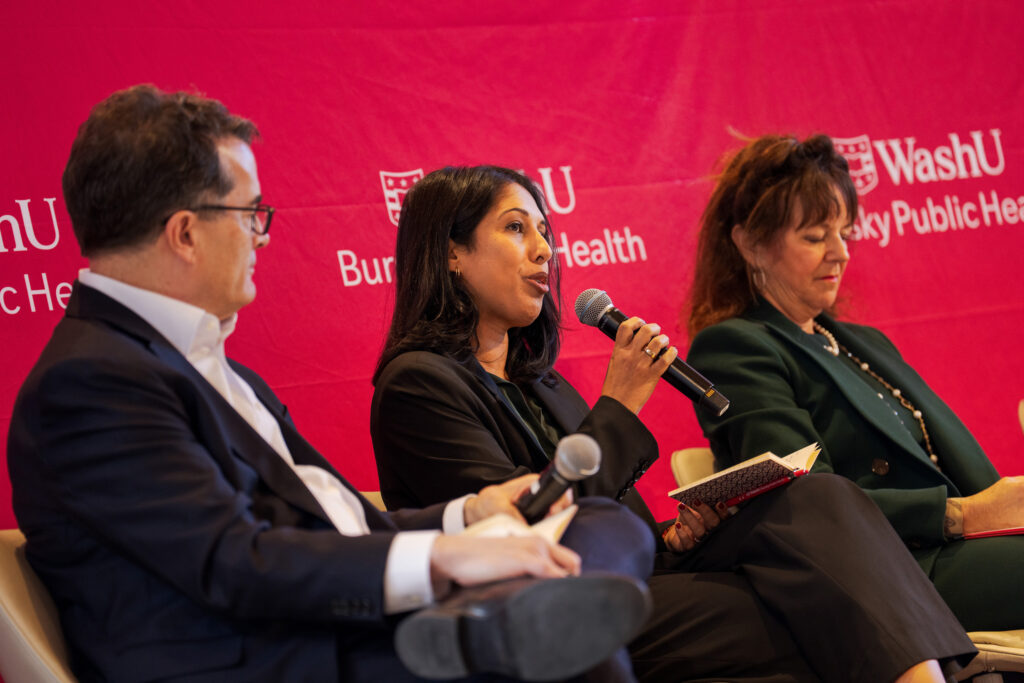
Kim Thuy Seelinger, JD, a professor of practice at Bursky Public Health and an expert on gender-based violence in armed conflict, helped organize the convening. “Mass violence — whether it is an atrocity crime, or what happens in forced displacement or gun violence — are not only violations of law, but they are threats to public health. Every single one of them. We don't always see that contemporaneously. Can we think more expansively about the health implications and impacts of the violence that we look at every day in our work?” Seelinger asked. (Photo credit: Zachary Linhares/WashU Bursky Public Health)Keynote speaker Alexandra Sandoval Mantilla, JD, LLM, a judge and the coordinator of the Gender Commission of the Special Jurisdiction for Peace in Colombia, said that public health tools and approaches can help identify the consequences of human rights violations, recognize invisible harms and develop meaningful responses. “A lot of times it is hard for us to explain the harms, because we don't have the tools and the methodologies to be able to find the relation, and at the end, to use it as evidence in order to find someone accountable of what happened. [Lawyers and public health professionals] need to have the same language in order to understand better how conflict, a war, or just a crime can affect a victim, and how can we repair it.” (Photo credit: Zachary Linhares/WashU Bursky Public Health)Sofía Cardona Huerta, the senior protection associate at the United Nations Refugee Agency in Mexico, says that people without legal status encounter high barriers to accessing health. “We tend to think of refugees and immigrants as this separate category from the rest of the world, and as if granting rights or ensuring their safety takes something away from the nationals. The reality is that when we make public services such as health and education more accessible to migrants and refugees we are, in fact, making those services more accessible... to the most vulnerable of our own national citizens. If we are truly concerned about the poor and the people of our own country that don't have anything, actually leveraging rights of migrants and refugees is going to make those services accessible to them as well.” (Photo credit: Zachary Linhares/WashU Bursky Public Health)Julia Lopez, PhD, MPH, LCSW, an assistant professor at WashU Medicine and a member of the Bursky Public Health secondary faculty, works with Seelinger on the Asylum Support Initiative, which provides forensic medical and psychiatric evaluations for people seeking asylum in St. Louis. “It’s about understanding the impact of reproductive violence or psychological trauma or whatever, which is based in science, so we can gather the information that the lawyers need to make their case,” Lopez said. (Photo credit: Zachary Linhares/WashU Bursky Public Health)The U.S.’s intractable gun violence problem, especially mass shootings in schools, can be viewed as a human rights violation as well as a public health threat, argues panelist Leila Nadya Sadat, JD, the James Carr Professor of International Criminal Law at WashU Law. “The gun violence crisis in the United States amounted to a massive human rights crisis. [Whenever there was a mass shooting] all the newspapers would talk about is, ‘Could we actually do anything to regulate the guns because of the Second Amendment and the rights of the shooters?’ And I'm a human rights lawyer. I'm thinking, ‘What about the rights of the victims? What about the right to security, the right to health, the right to education, the right to safety, the right to bodily integrity, the right to dignity?’ So many of the international human rights instruments have rights that are clearly being damaged, and all of the victims are rights holders.” (Photo credit: Zachary Linhares/WashU Bursky Public Health)Payal Shah, JD, the director of research, legal and advocacy at Physicians for Human Rights, says that her organization uses public health techniques to document the effects of violence, for example in Kenya after the disputed presidential election in 2007. “We are trying to build the systems that allow that harm to be made visible. We do that by also adding a layer of medical expertise, really pushing for stronger understandings of what's foreseeable. What kind of harm needs to be anticipated before, for example, a hospital is bombed? What kind of harm needs to be anticipated by states when we know that sexual violence, for example, is linked to political unrest? What is the responsibility of the state to make sure survivors have the care they need? And how do we also design reparations and remedies that allow survivors to heal?” (Photo credit: Zachary Linhares/WashU Bursky Public Health)
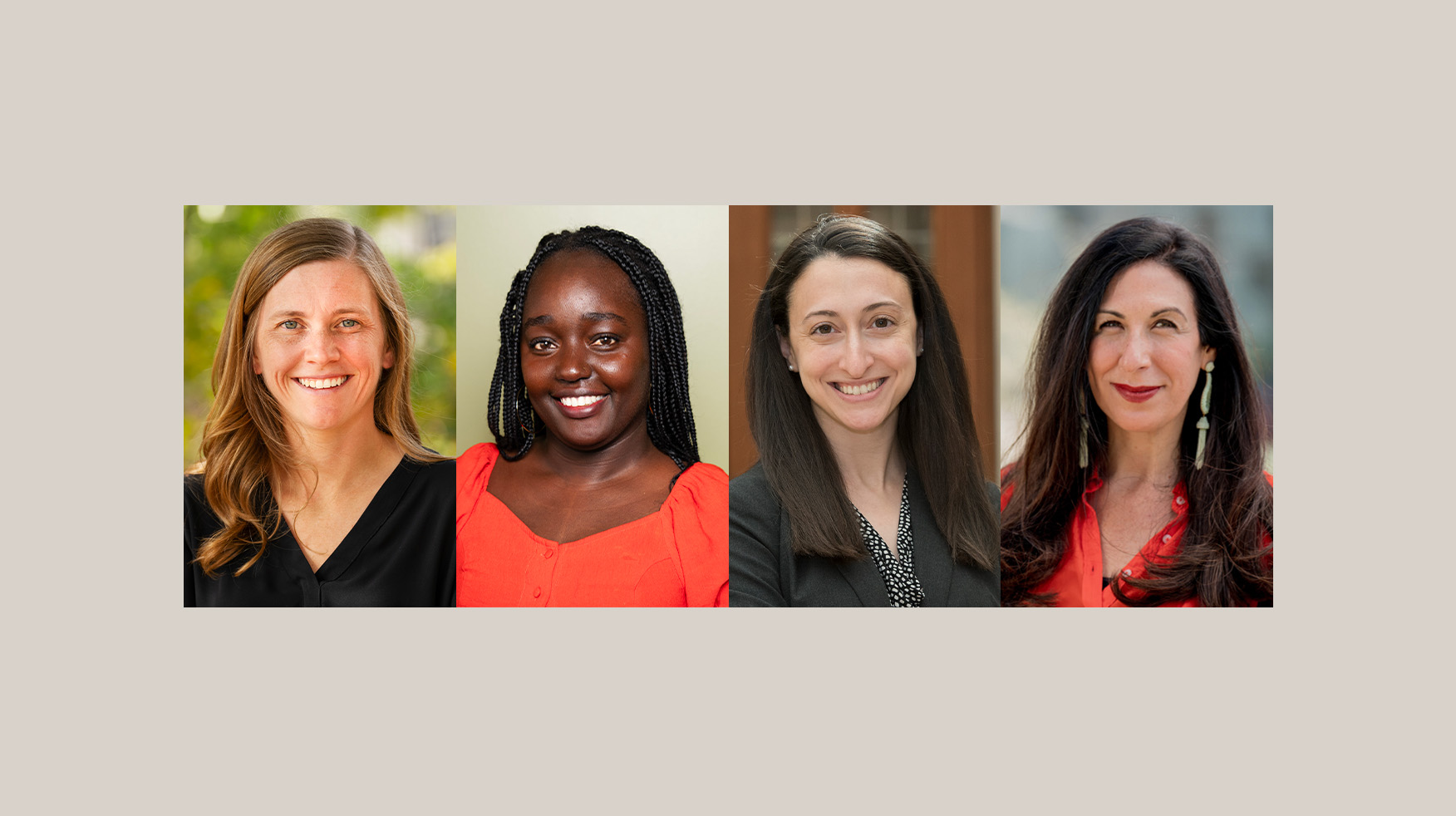
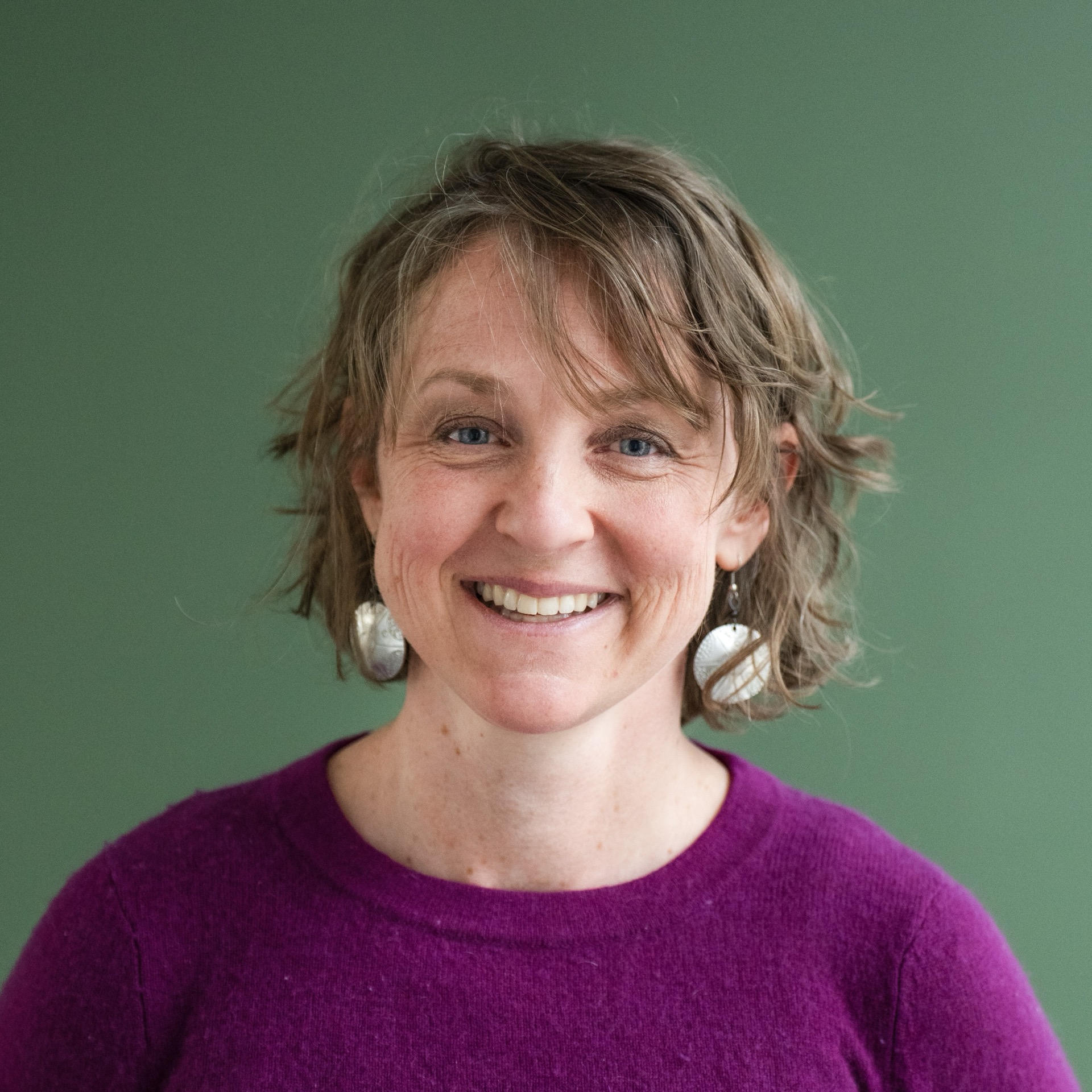
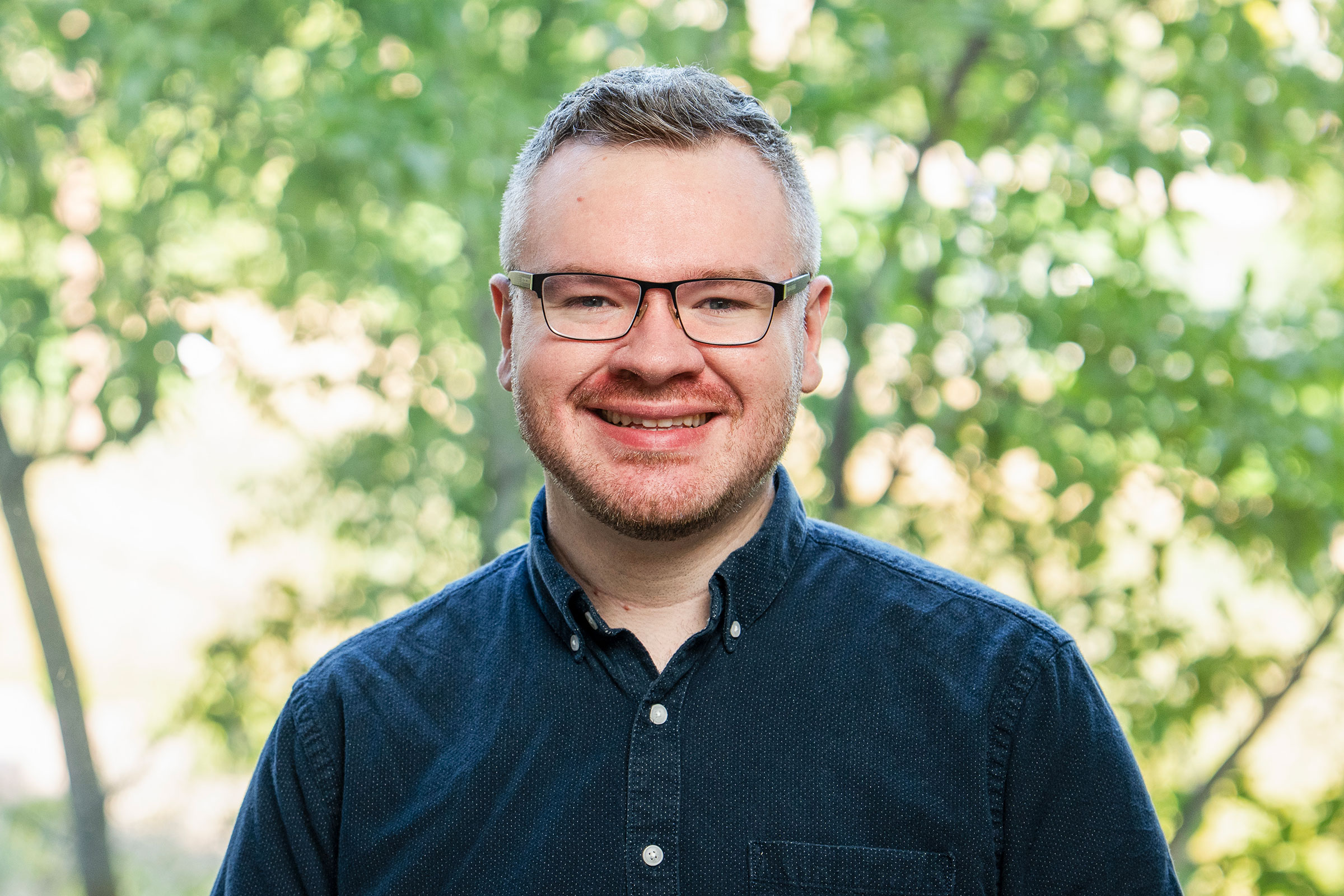
Tamara Schneider, MPH, PhD, is the assistant director of communications and senior science writer at Bursky Public Health. She holds a bachelor’s degree in molecular biophysics & biochemistry and in sociology from Yale University, a master’s in public health from the University of California, Berkeley, and a PhD in biomedical science from the University of California, San Diego. She joined WashU as a science writer in 2016.
Related News
November 20, 2026
Bursky Public Health faculty, student recognized for research excellence
Malone, Mwobobia, Sachs and Stark honored by WashU’s provost