October 16, 2026
Five WashU research teams receive 2026 FARM Cultivate grants
Projects explore the connections among food, agriculture, environmental sustainability and human health


Bursky School of Public Health program to support innovative, commercially viable solutions to improve nutrition, food security
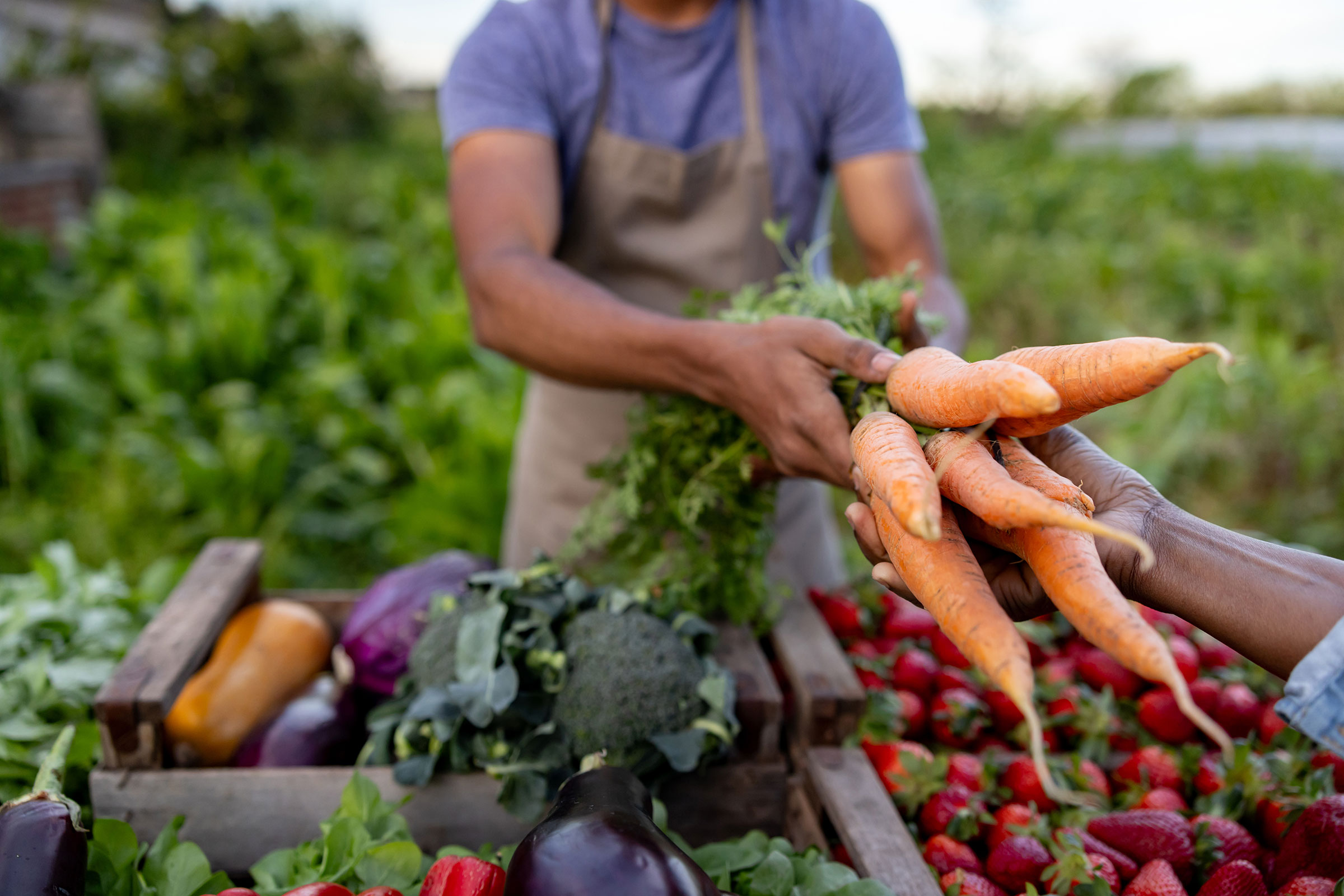
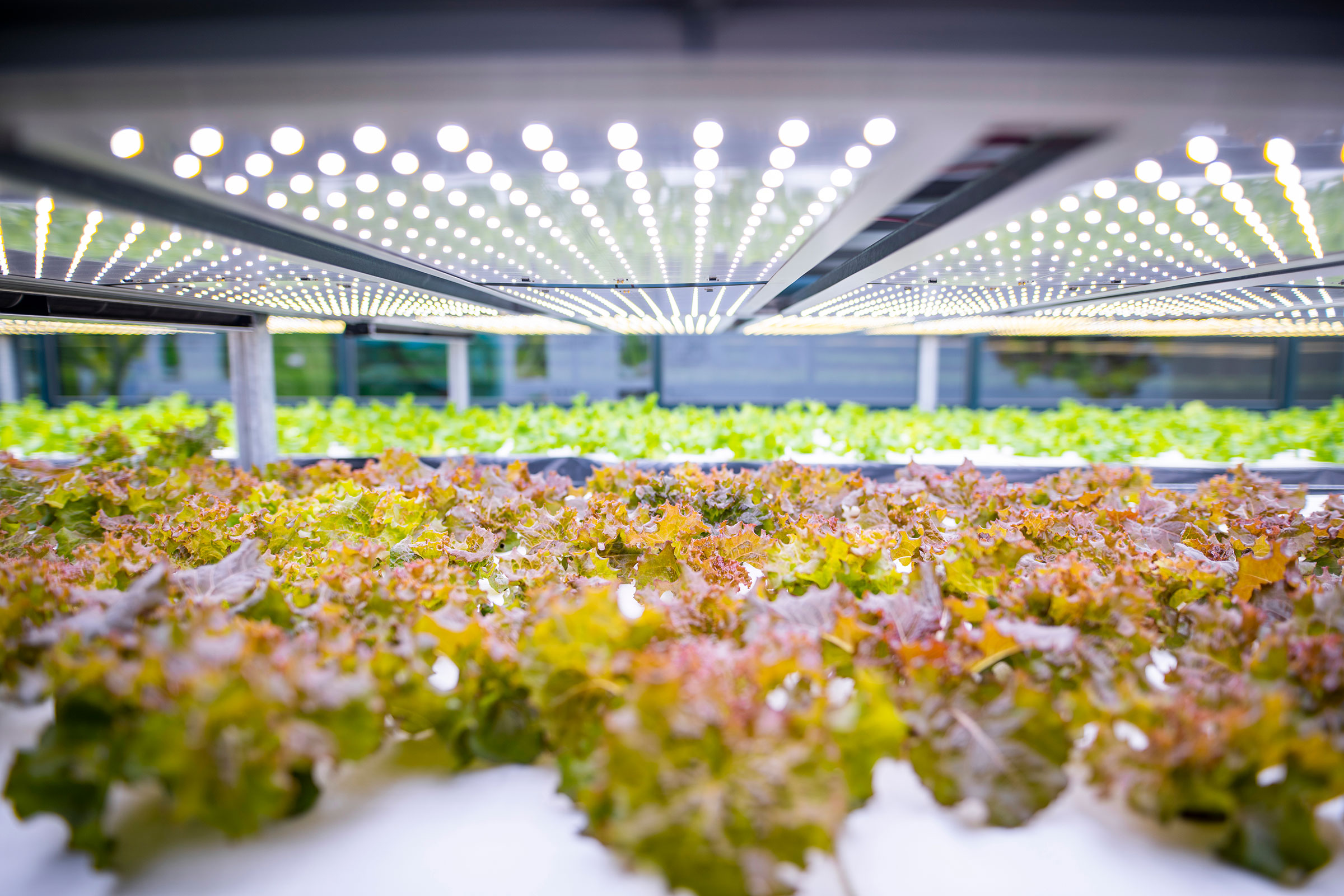
A new grants program launched by the Food and Agriculture Research Mission (FARM) at WashU Bursky School of Public Health seeks to identify promising, commercially viable solutions at the intersection of agriculture, food security, and public health.
Known as the Growing Health grants program, the annual competition will award one grant of up to $1 million for two to three years of support to a multidisciplinary, multisectoral team. That team will advance innovative technologies, products, processes or services, with the goal of moving such innovations into the marketplace to improve nutrition and public health outcomes in the Greater St. Louis region and elsewhere.
“What we're doing is providing, through FARM, resources to help catalyze the translation of knowledge into impact,” said Morven McLean, MSc, PhD, director of FARM, executive director of networks and innovation, and a professor of practice at Bursky School of Public Health. “This is not for discovery-oriented research. This is about bridging the gap between discovery and real-world application.”
Applicant teams must include at least one WashU faculty member along with a nonacademic partner from the public, private or nonprofit sectors. For the academic component, Bursky School of Public Health primary and secondary faculty members, and interdisciplinary, multischool teams will be given preference.
“There are a lot of technologies that are developed in universities or in startup companies that never reach the market because they get stuck along the development value chain,” said Mark Doyle, PhD, the senior network manager for FARM. “We’re envisioning a competition in which projects can originate here at WashU with faculty who have research findings they want to commercialize, or with entrepreneurs and other food system actors who have innovations that could be strengthened through collaboration with WashU researchers. We’re open to receiving proposals from either direction.”
The proposed project must be applicable to the Greater St. Louis area, with potential health and economic benefits for the region. Priority will be given to innovations with good likelihood of attracting other investors down the road, and that show promise for scalable impact.
A well-funded agrifood grant program, such as FARM’s Growing Health program, with a local St. Louis focus is remarkable, said Connie Bowen, the founder of Farmhand Ventures, an agriculture technology impact investment firm based in St. Louis. An expert in agrifood technology accelerators who has extensive experience working with academic partners, Bowen was brought in to consult on the Growing Health grants program.
“Part of the reason I was excited about this was because I've never been a part of anything in the St. Louis startup world that is throwing serious dollars at solutions that benefit people here,” Bowen said. “This competition has the potential to directly impact food security in the Greater St. Louis region in a commercially sustainable way.”
The Growing Health grants program is part of the original vision of the FARM research network, which was launched in 2025 with the support of the Lauren and Lee Fixel Family Foundation to reimagine the future of food and agriculture. FARM’s two grant programs — Growing Health and Cultivate — serve as complementary approaches to incubate innovations with potentially transformative impact across the research lifecycle, from exploration through development to implementation and commercialization.
The Growing Health application is a two-stage process beginning with pre-proposals that are due August 15. In the second stage, some applicants will be invited to submit full proposals by November 15. Read the Call for Proposals here.
Prospective applicants are encouraged to attend an informational session from 1 to 2 p.m. Wednesday, May 27 (Zoom link), or 11 a.m. to noon Wednesday, June 3 (Zoom link). Questions may be submitted to [email protected] until June 15, and answers will be posted publicly on the FARM Funding Opportunities page.
Tamara Schneider, MPH, PhD, is the assistant director of communications and senior science writer at Bursky Public Health. She holds a bachelor’s degree in molecular biophysics & biochemistry and in sociology from Yale University, a master’s in public health from the University of California, Berkeley, and a PhD in biomedical science from the University of California, San Diego. She joined WashU as a science writer in 2016.
October 16, 2026
Projects explore the connections among food, agriculture, environmental sustainability and human health
October 16, 2026
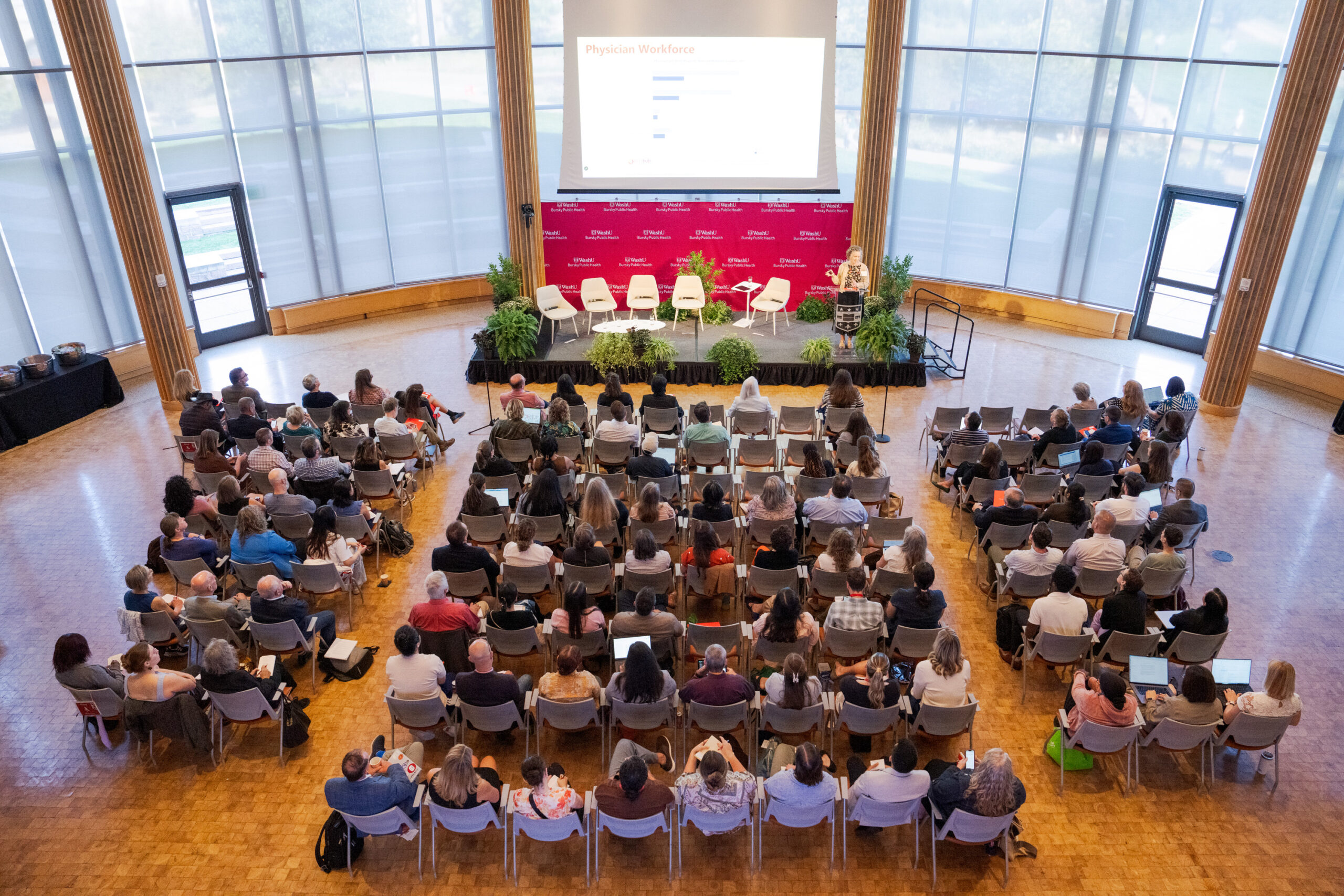
Forum explored how rural health, food systems, agriculture and nutrition interact to impact public health and well-being
WashU's The Source
October 16, 2026
Spielman brings decades of experience in global food policy and economics to his current research on food systems, innovation and rural health