October 2, 2026
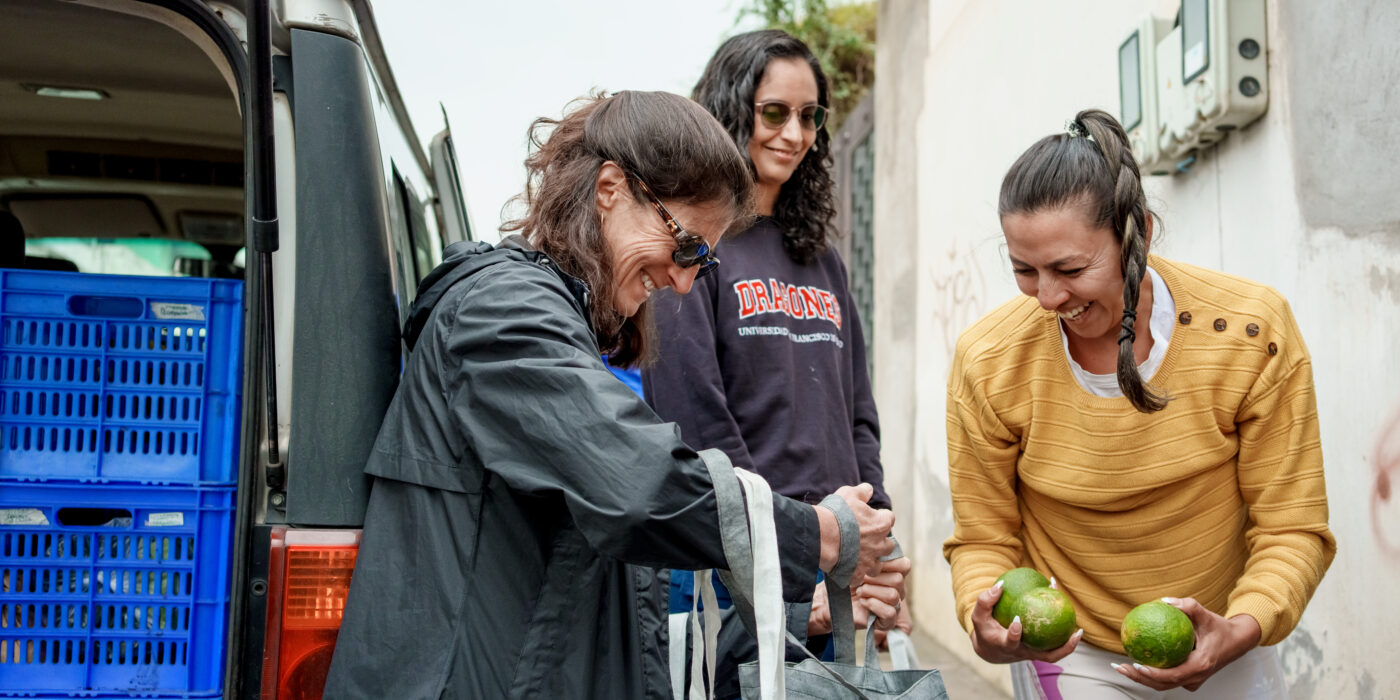
Building food systems that promote rural health
Two-day convening brings together experts to rethink how food is produced, distributed and consumed to better support rural communities



Free, public dashboard designed to help practitioners, policymakers, researchers better gauge impact of physical activity efforts
Programs and policies that promote physical activity can have huge benefits, including lower rates of chronic disease, reduced healthcare costs, and an overall improved quality of life for the population. But encouraging physical activity can also have unintended climate impacts. More people playing sports, for example, could also mean more people driving long distances to games, which releases more carbon into the atmosphere and contributes to global warming.
To help researchers, practitioners and policymakers better understand the climate impacts of encouraging physical activity, Rodrigo Reis, MS, PhD, a professor at the Andrew M. and Jane M. Bursky School of Public Health at Washington University in St. Louis, and colleagues have developed a dashboard that calculates the carbon footprint of physical activity programs. Called the PA-Carbon Calculator, the dashboard lets users enter details such as the number of participants, the amount of travel involved, and the energy required to run facilities, then generates the program's net climate cost in tons of carbon dioxide equivalents.
“Physical inactivity remains highly prevalent and a major contributor to mortality and morbidity worldwide,” Reis said. “Our PA-Carbon tool helps address this global health need while mitigating carbon emissions. We are essentially bringing climate adaptation to the center of evidence-based physical activity promotion.”
Tamara Schneider, MPH, PhD, is the assistant director of communications and senior science writer at Bursky Public Health. She holds a bachelor’s degree in molecular biophysics & biochemistry and in sociology from Yale University, a master’s in public health from the University of California, Berkeley, and a PhD in biomedical science from the University of California, San Diego. She joined WashU as a science writer in 2016.
October 2, 2026
Two-day convening brings together experts to rethink how food is produced, distributed and consumed to better support rural communities
October 1, 2026
A one-time social worker, Gilbert transitioned from helping patients navigate serious illness to studying how to prevent it
The Source
September 25, 2026
Bursky Public Health's Lora Iannotti and colleagues tested whether a diverse diet inspired by ancestral eating patterns could support maternal nutrition and fetal development.