October 1, 2026
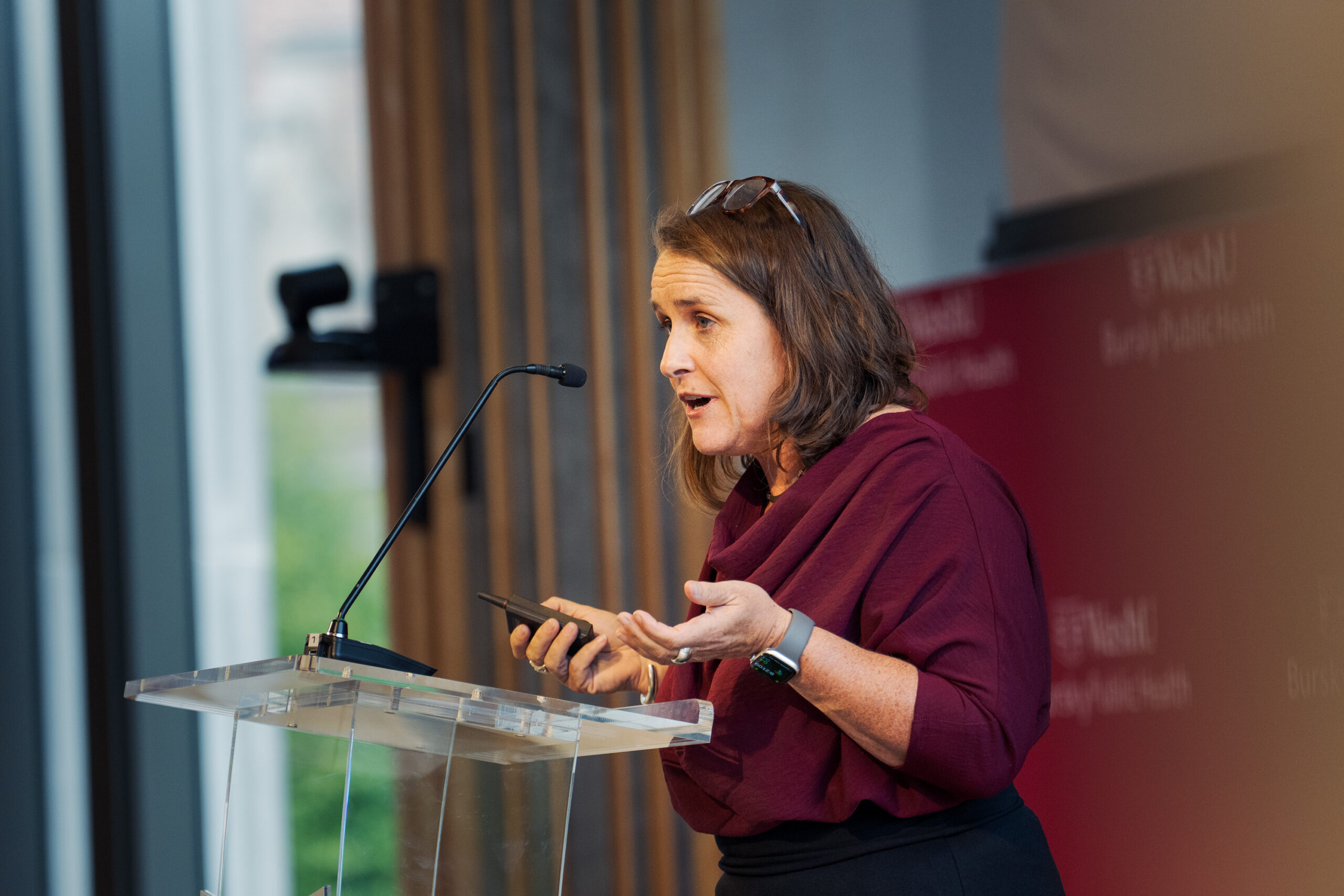
A conversation with Amanda Gilbert, chronic diseases researcher
A one-time social worker, Gilbert transitioned from helping patients navigate serious illness to studying how to prevent it



Two-day convening brings together experts to rethink how food is produced, distributed and consumed to better support rural communities
Rural communities are the heart of food systems globally, as they do much of the work that keeps the world fed. Yet the food that reaches people’s plates does not always support their health. Rural residents bear a disproportionate burden of chronic diseases such as diabetes, heart disease and high blood pressure— conditions linked, in part, to food systems that leave nutritious foods out of reach for many communities. On top of the burden of diet-related chronic illnesses, rural communities face myriad other health-related challenges, including healthcare workforce shortages, hospital closures, high numbers of uninsured or underinsured people and food insecurity.
Rural health is emerging as one of the pillars of the Andrew M. and Jane M. Bursky School of Public Health at Washington University in St. Louis. The university is a leading hub of biomedical science, patient care and public health research located in the heart of Midwestern farm country. The Bursky School of Public Health is leveraging these strengths from across WashU to contribute to research, education and practice in rural health and promote healthier lives for rural residents of the state, the region and the country.
On October 13 and 14, researchers, community and extension organizations, farmers, business leaders, policymakers and other key rural health and food system stakeholders will gather at the Bursky School of Public Health to reimagine how food can be produced, distributed and consumed to better support health while strengthening the agricultural systems that sustain rural economies. Hosted by the school’s Food and Agriculture Research Mission (FARM), the two-day convening, titled “FARM Food Futures Forum: From Rural Health to Food Security,” will examine how agriculture, nutrition and food systems interact to shape rural health.
“Rural communities are essential to our food systems, and investing in their health and well-being is a prerequisite to building a healthier future for us all,” said Morven McLean, MSc, PhD, the associate dean for innovation and a professor of practice at WashU Bursky Public Health, and the director of FARM. “This convening will bring diverse partners together to discuss new ways of working to deliver better health, more nutritious food, and stronger rural economies.”
The event will take place from 9 a.m. to 4:30 p.m. CT on Tuesday, October 13 and 9 a.m. to 12:30 p.m. CT on Wednesday, October 14, in the Clark-Fox Forum in Hillman Hall on WashU’s Danforth Campus. On both days, all attendees and panelists are invited to networking lunches from 12:30 to 1:30 p.m. The event is free and open to the public, in person or via Zoom. Registration is required.
FARM is an initiative of WashU Bursky Public Health’s Office of Innovation, which is also led by McLean. FARM is co-directed by Lora Iannotti, MA, PhD, the Lauren and Lee Fixel Distinguished Professor at WashU Bursky Public Health, and managed by Mark Doyle, PhD, and takes a public health-centered approach to food and agriculture, working with partners across disciplines and sectors to ensure access to healthy, sustainable diets for all.
“We are bringing unique voices to this discussion,” said Doyle, who spearheaded the planning of the convening. “This lineup, including producers and experts in a variety of areas — from seed banks to chronic disease to food supply chains — should generate rich discussion that will hopefully generate new research and partnership opportunities around food, agriculture and rural health. The forum also gives us the opportunity to highlight the work of our faculty and students and other accomplishments we’ve achieved through FARM over the past year.”
The event will open with remarks by Sandro Galea, MD, DrPH, the Margaret C. Ryan Dean of the Bursky School of Public Health, the Eugene S. and Constance Kahn Distinguished Professor in Public Health and vice provost for interdisciplinary initiatives at Washington University.
The remarks will be followed by a plenary session, “From Rural Health to Food Security.” The session is anchored by keynote speaker Carrie Henning-Smith, PhD, MPH, MSW, the president of the National Rural Health Association, an associate professor in the Division of Health Policy and Management at the University of Minnesota School of Public Health, and co-director of the University of Minnesota Rural Health Research Center. After the keynote address, a panel of experts will discuss how the challenges facing rural communities affect community well-being and agricultural systems, while highlighting promising approaches to strengthening rural health and food security.
After a break, Rebecca Messbarger, PhD, a professor of Italian at WashU Arts & Sciences and a member of the WashU Bursky Public Health secondary faculty, and a team of WashU undergraduates will present their new podcast, “Across the Fenceline,” which explores connections between agriculture, rural health and community resilience through interviews with farmers, rural health professionals and community leaders.
The second plenary session will be on, “Stewarding the Land, Nourishing Communities: Perspectives from Producers.” Moderator Dan Charles, a contributing correspondent at Science Magazine and former NPR agriculture correspondent, will lead a panel of farmers and producers as they discuss what is needed to sustain healthy farms, communities and landscapes.
The morning will conclude with an announcement of the 2026 Cultivate grant awardees. FARM’s Cultivate Grant Fund provides one to three years of support for projects with near-term potential to contribute to sustainable transformation of agricultural and food systems and improved public health. Last year’s Cultivate grants supported projects targeting food security across the lifecourse.
In the afternoon, participants will choose between two breakout sessions. Session One, “Nutrition and Diet-Related Chronic Disease,” will open with a keynote address by Christina Economos, PhD, the dean and New Balance Chair in Childhood Nutrition at the Friedman School of Nutrition Science and Policy at Tufts University, and a professor of public health and community medicine at Tufts University School of Medicine. The subsequent panel discussion will touch on the connections among agriculture, food availability, dietary quality, and chronic disease, with particular attention to opportunities for prevention in rural and underserved communities.
The other breakout session is titled, “National Treasure, National Opportunity: Reimagining the U.S. Germplasm System,” and will feature keynote speaker Neha Kothari, PhD, the national program leader for the National Plant Germplasm System at the USDA Agricultural Research Service. Following the address, a panel of experts will explore the critical role of plant collections, and how investment in plant genetic resources and agrobiodiversity can support agricultural resilience, food security, and human health.
The first day will close with a poster session featuring a broad range of WashU research on agriculture, food systems and nutrition.
Day Two opens with comments from Galea and Michael Mazzeo, PhD, the Judy and Jerry Kent Dean and Knight Family Professor at WashU’s Olin School of Business, followed by a session on, “Markets, Demand and the Health Consequences of Food Systems.” After a keynote address from Roland Fumasi, PhD, the head of North American RaboResearch Food & Agribusiness Group at Rabobank, a panel of agribusiness experts will explore how market forces shape nutrition and health — and where businesses can contribute to change.
The final session will focus on, “Rewiring Incentives: Strengthening Health as a Driver of Food Systems.” David Spielman, PhD, the Lauren and Lee Fixel Distinguished Professor at WashU Bursky Public Health, will moderate a discussion on how procurement, policy, investment, and market incentives could better align agricultural production and food markets with healthier diets, stronger communities, and improved population health.
Tamara Schneider, MPH, PhD, is the assistant director of communications and senior science writer at Bursky Public Health. She holds a bachelor’s degree in molecular biophysics & biochemistry and in sociology from Yale University, a master’s in public health from the University of California, Berkeley, and a PhD in biomedical science from the University of California, San Diego. She joined WashU as a science writer in 2016.
October 1, 2026
A one-time social worker, Gilbert transitioned from helping patients navigate serious illness to studying how to prevent it
The Source
September 25, 2026
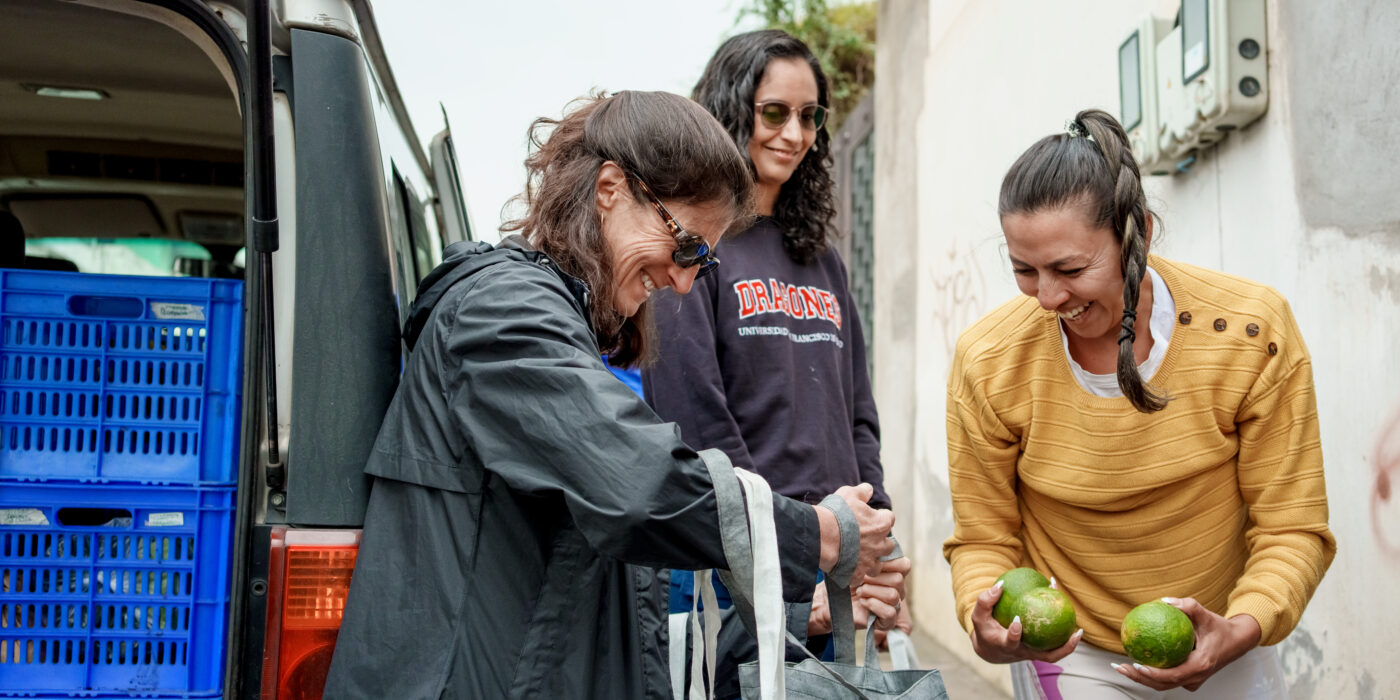
Bursky Public Health's Lora Iannotti and colleagues tested whether a diverse diet inspired by ancestral eating patterns could support maternal nutrition and fetal development.
September 25, 2026
Experts from public health and other fields came together to discuss how and why to build a listening infrastructure