
Toward a public-driven public health
Convening addresses the question of how to build listening systems to understand community priorities around health
August 28, 2026


Symposium April 3 on racial inequities and public health will explore solutions to such inequities


"Race, Reason & Health" is a symposium that will take place from 9 a.m. to 12:30 p.m. April 3 in Hillman Hall’s Clark-Fox Forum and via livestream. WashU School of Public Health and the university’s Center for the Study of Race, Ethnicity & Equity (CRE2) are the event's hosts. (Illustration: Getty Images and Emily Sabens May/WashU Public Health)
Health inequities associated with race are among the most incessant challenges in the field of public health — but among the aims of public health is to ensure that such inequities are not insurmountable.
The “Race, Reason & Health” convening April 3 at Washington University in St. Louis will bring together scholars, community advocates and practitioners to explore intersections of race and public health, and innovative approaches that bridge academic research with community-based solutions.
The symposium — from 9 a.m. to 12:30 p.m. in Hillman Hall’s Clark-Fox Forum and via livestream — is hosted by WashU School of Public Health and the university’s Center for the Study of Race, Ethnicity & Equity (CRE2).
“The relationship between race and health in this country is not incidental; it is structural, it is measurable, and it demands serious scholarly attention,” said Sandro Galea, MD, DrPH, the Margaret C. Ryan Dean of Public Health, Eugene S. and Constance Kahn Distinguished Professor in Public Health, and WashU’s vice provost for interdisciplinary initiatives.
“This convening, in partnership with the Center for the Study of Race, Ethnicity & Equity, brings together voices from across disciplines to examine that relationship with both rigor and honesty,” Galea continued. “If we are going to build a school of public health that is genuinely committed to health for everyone, we have to be willing to engage with the hardest questions about why health is so unequally distributed — and race is at the center of that inquiry.”
Chancellor Andrew D. Martin will make opening remarks at the event. The keynote address will be delivered by Mary T. Bassett, MD, MPH, the Francois-Xavier Bagnoud (FXB) Professor of the Practice of Health and Human Rights, and director of the FXB Center for Health and Human Rights at Harvard T.H. Chan School of Public Health.
Galea and Dwight McBride, MA, PhD, executive director of CRE2, also will speak and will moderate panel discussions.
“Race continues to shape health outcomes in ways that are measurable, consequential, and — critically — not inevitable,” said McBride, who is also the Gerald Early Distinguished Professor of African and African American Studies in Arts & Sciences, a professor of English, and a senior adviser to the chancellor. “Making real progress means grounding our efforts in strong evidence while remaining clear-eyed about the ethical dimensions of the work. That combination is at the heart of what we’re convening to examine — and it is precisely the kind of evidence-based inquiry that is most at risk when political pressures push institutions away from difficult but necessary questions.”
The first panel discussion will focus on evidence and ethics; the second will focus on policy and community. To read about the panelists and to register for the symposium, see here.
This event is free but requires registration.
Convening addresses the question of how to build listening systems to understand community priorities around health
August 28, 2026
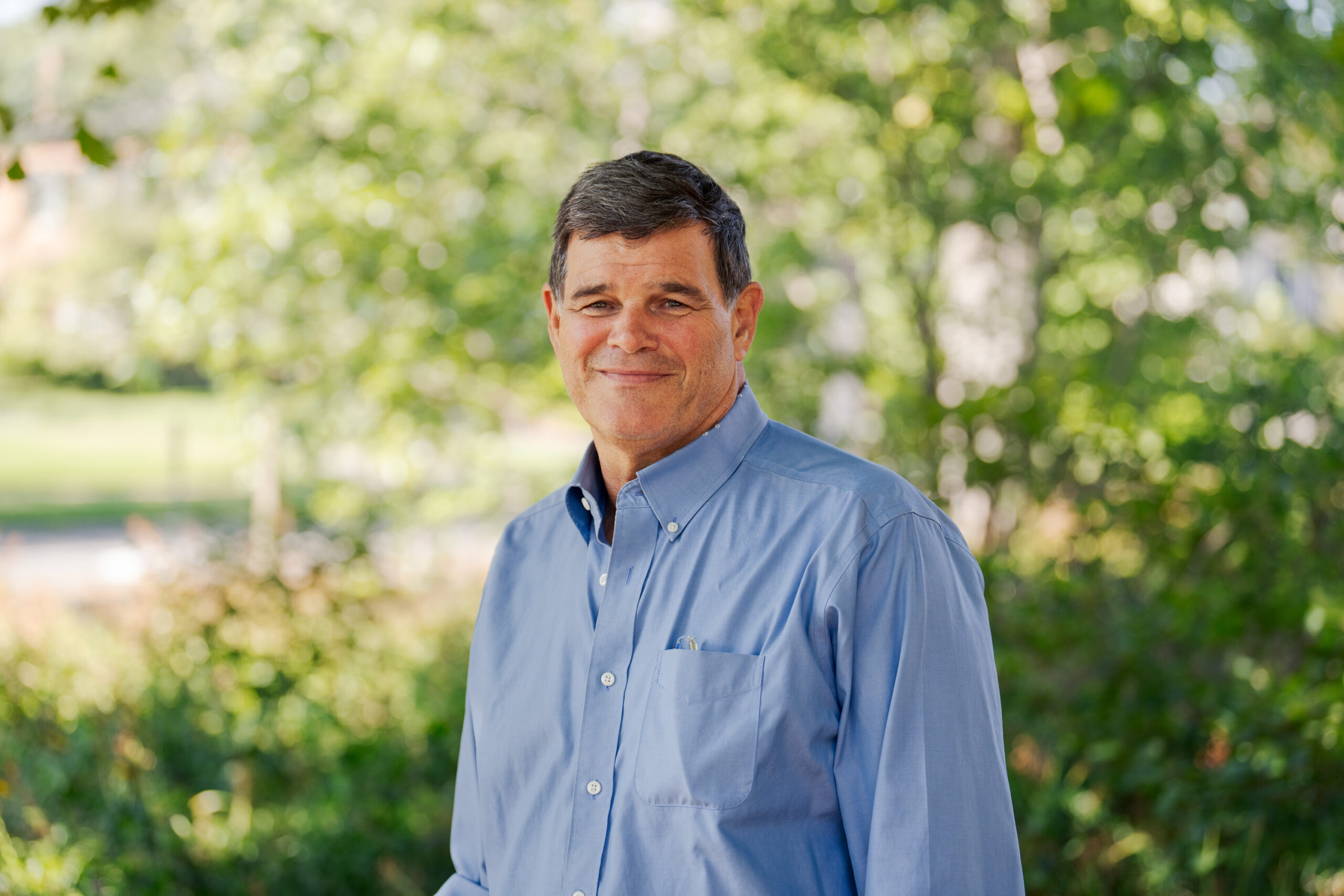
Archaeologist TR Kidder brings an anthropological perspective to studying health, culture and the environment
August 28, 2026

Cancer epidemiologist Kim Johnson, a member of the Bursky Public Health secondary faculty, reflects on screening guidelines after her aunt’s recent passing from stage 4 breast cancer
STAT News
August 27, 2026