October 1, 2026
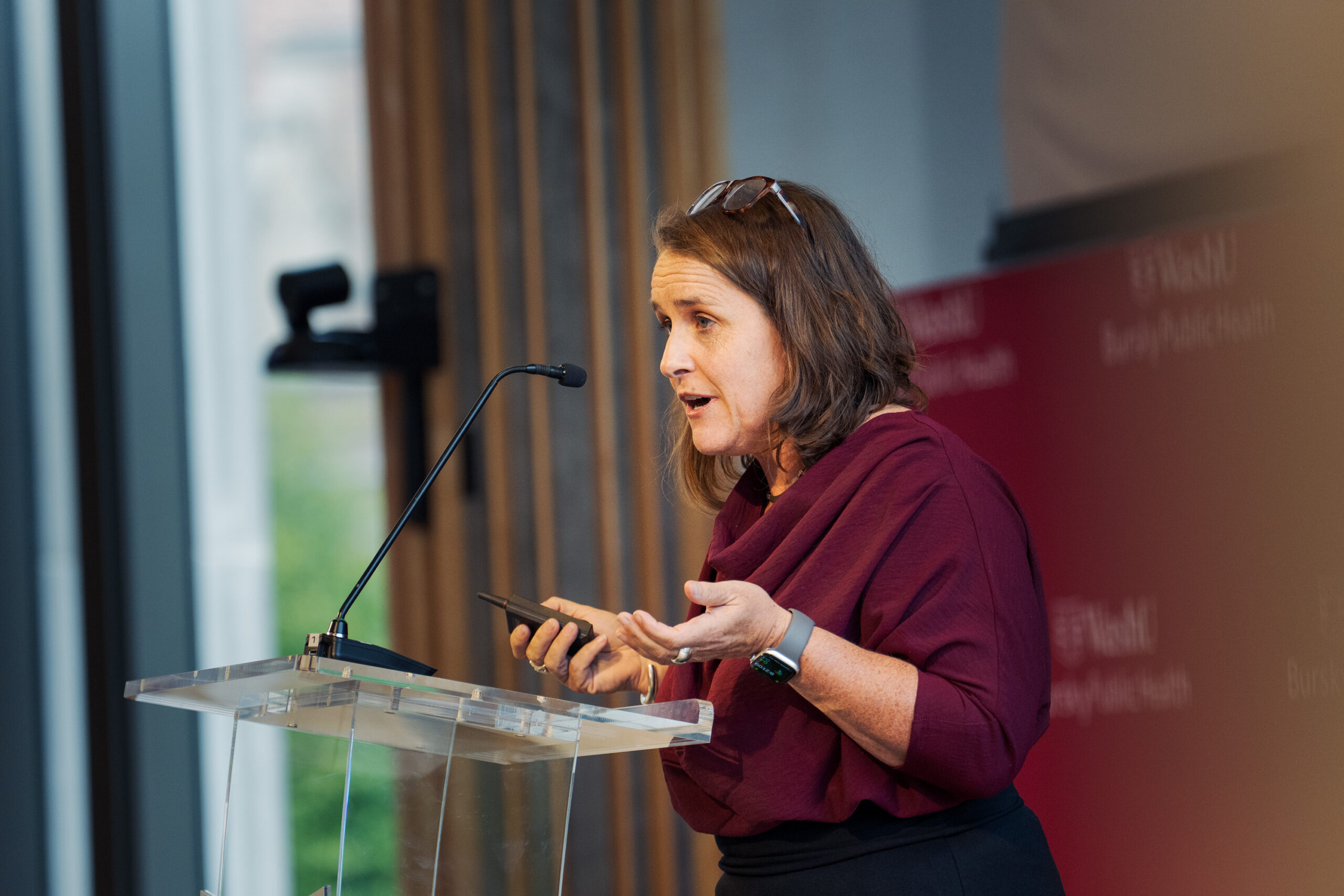
A conversation with Amanda Gilbert, chronic diseases researcher
A one-time social worker, Gilbert transitioned from helping patients navigate serious illness to studying how to prevent it
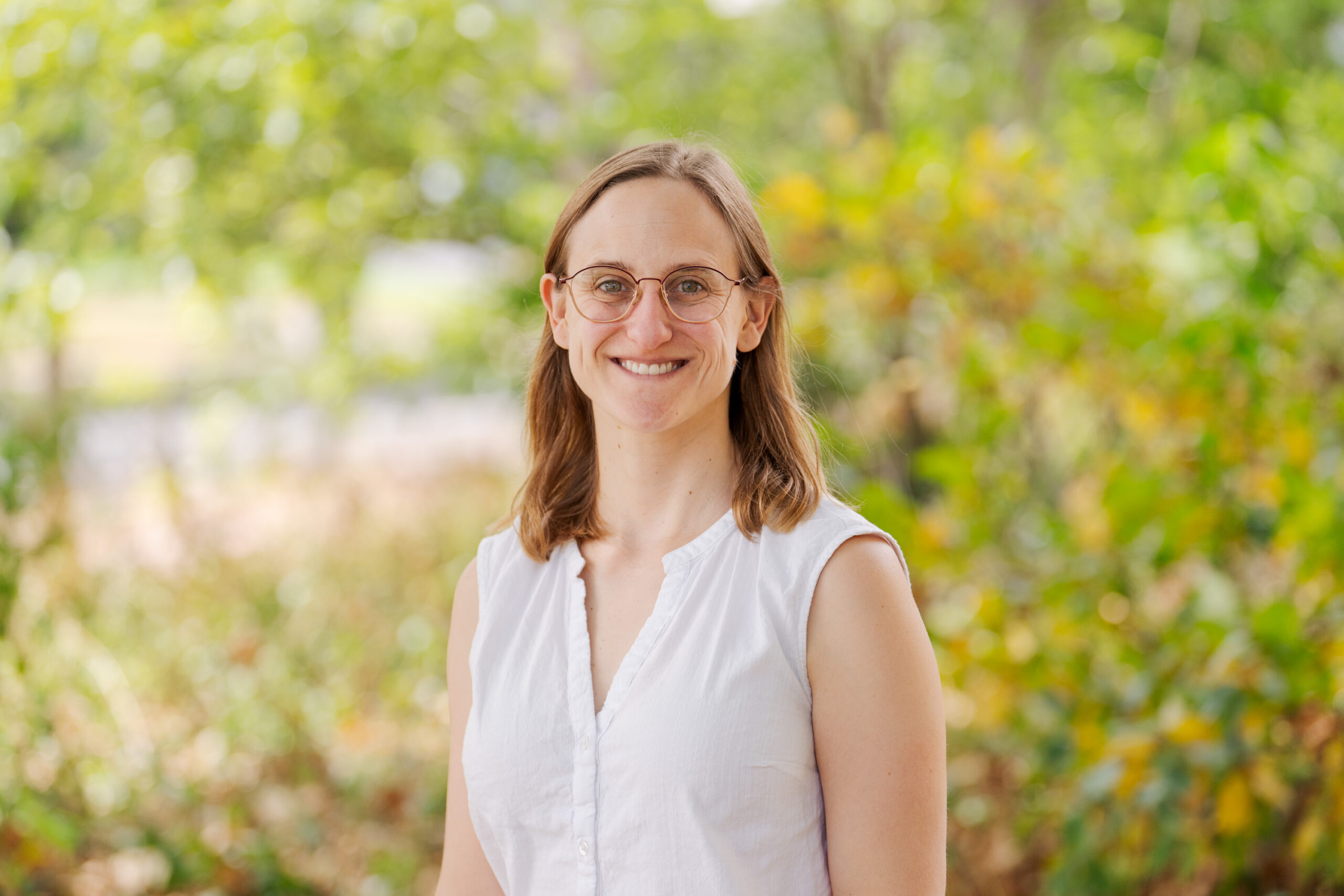


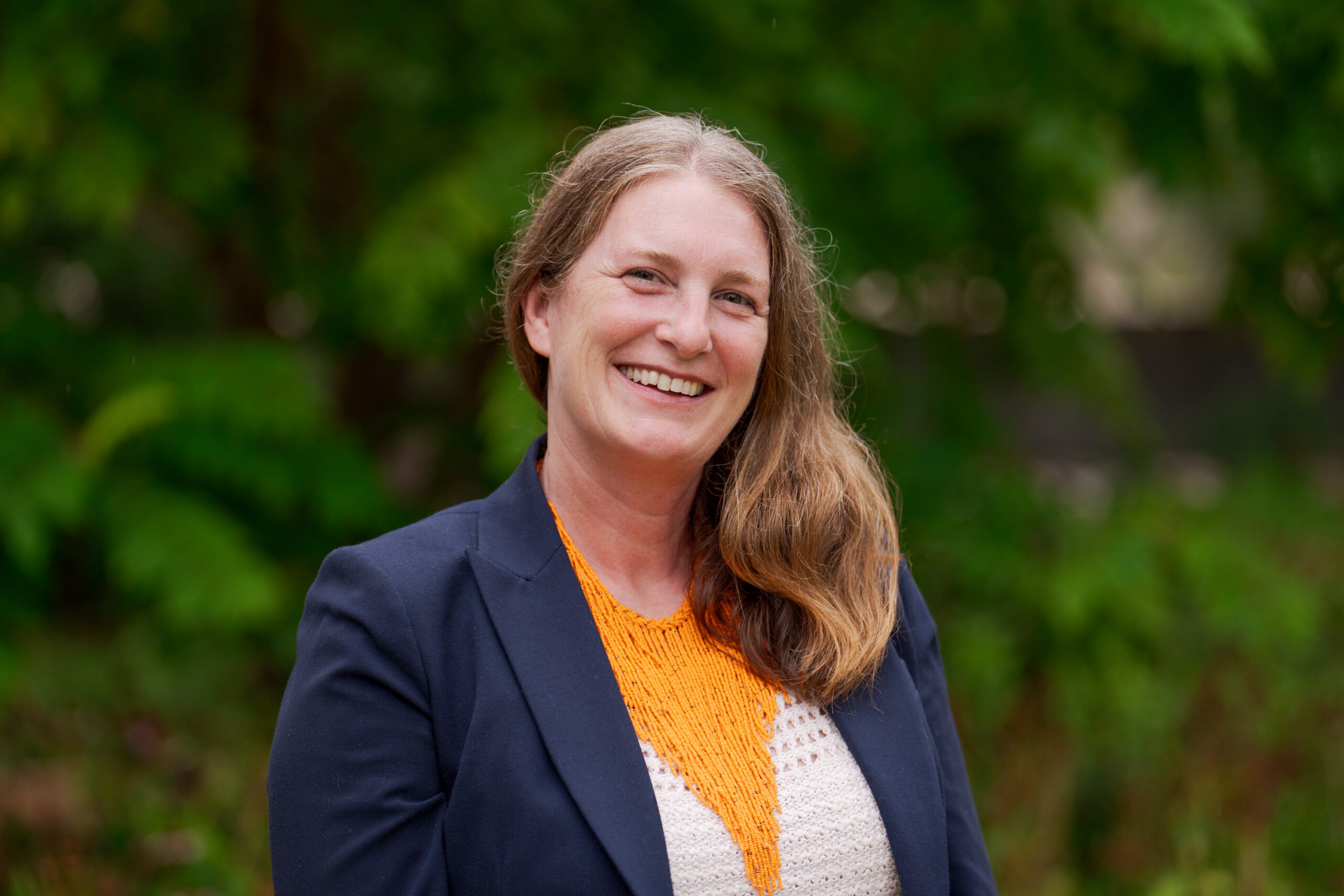
From Peace Corps Kazakhstan to Bursky Public Health, the throughline in Abente’s career has been a commitment to making people’s lives better
In 2004, Betsy Abente was working as a scheduler for U.S. Senator Chuck Schumer on Capitol Hill when she started feeling the need to do something more impactful. She joined the Peace Corps, a decision that sparked a passion for public health that would shape the rest of her career.
"As a Peace Corps volunteer in Kazakhstan, I worked at an AIDS clinic, where I helped develop a peer education program and introduce health curricula into schools. That experience completely changed my trajectory. I realized I loved public health and working with communities," Abente said.
"I also learned what it feels like to have my eyes frozen shut," she added, joking about a real experience she had in Kazakhstan, where the typical January temperature is well below zero. "Apparently, when you tell your Peace Corps recruiter you're up for anything, they send you to Siberia. But I'm incredibly grateful for that experience because it set me on this path."
Today, Abente leads the research support unit at the Office of Research Affairs for the Andrew M. and Jane M. Bursky School of Public Health at Washington University in St. Louis, overseeing a team of seven research administrators who support faculty through all grant stages — from budgets and proposals to awards and compliance.
“My focus is primarily on the research administration side, but I'm also constantly looking for ways to improve our systems. Right now, we're building a database to track faculty funding, both current and historical, because we're a new school and are creating much of this infrastructure from scratch," Abente said.
Here, Abente discusses what makes a successful grant application, why strong systems are essential to great research, and the lessons she's learned from a winding career.
“After my time in Washington, DC, and the Peace Corps, I earned a Master's of Public Health, with a focus on global health, from Tulane University. For my practicum, I spent six months in Rwanda helping establish a school of public health, which strengthened my passion for creating systems and building capacity. Returning to Washington, D.C., I worked for nonprofits, starting in program management before discovering my love for grant development and proposal writing. I joined the Elizabeth Glaser Pediatric AIDS Foundation, where I managed grant proposals and helped secure PEPFAR (President’s Emergency Plan for AIDS Relief) funding.
“My husband and I moved to St. Louis to be closer to family. I initially worked remotely before planning to attend nursing school, but pregnancy changed my plans, leading me to WashU. My first role was as an oncology grants budget specialist. I then transitioned to the Office of Training Grants, focusing on NIH training grants, which lead me to the Brown School and the International Center for Child Health and Development, where I helped grow their training portfolio from one to four training grants. Later, I served as a research administrator for Death to Onchocerciasis and Lymphatic Filariasis (DOLF), a Gates Foundation program with a $26 million budget, where I learned the essentials of research administration at WashU. Each role has been a step, building the experience I use today.”
“We support faculty throughout the entire research lifecycle. It starts with identifying funding opportunities and helping researchers find the right collaborators. From there, we help develop proposal outlines and checklists, prepare budgets, submit applications, ensure compliance once funding is awarded, and ultimately close out grants when projects are complete.”
“Many factors contribute to a successful grant, but it really starts with building the right team. Strong leadership and assembling experts with the right skills are vital. Also, understanding that different funders have varying priorities is key. Some foundations are mission-specific, while agencies such as the National Institutes of Health (NIH) offer investigators greater freedom to propose ideas. Funders seek innovation and clarity, so you must justify why the problem matters, how your approach differs, and how your work will make an impact. Success depends on clear grantsmanship, explaining the problem, showcasing your novel approach and demonstrating measurable impact.”
“Each stage of my career has taught me something different. From Capitol Hill, I learned the importance of relationships and clear communication; policymakers prefer concise bullet points over lengthy reports. In the Peace Corps, I learned to listen, understanding community needs before solving problems. In the nonprofit sector, I mastered prioritizing with limited resources and time — a daily skill. At WashU, I learned to question policies that may exist only out of tradition. For example, I questioned why the Danforth Campus followed a policy the medical school didn't, discovering it was an outdated policy from many years ago that is no longer relevant. Asking questions can lead to improved practices.”
“There are many things I'm proud of, but I always come back to my work with training grants. Helping establish those programs and seeing where those trainees have gone has been incredibly rewarding. I was recently at a conference in Tunisia and ran into one of our former trainees presenting their research. Moments like that remind me that the work continues long after the grant is awarded. I like being behind the scenes. Seeing former trainees out in the world doing meaningful work because of opportunities we helped create is probably what makes me proudest.”
“The people and the work. One of the reasons I was excited to join this new school of public health is that it feels different. There is such a strong focus on impact and on being willing to pivot when something isn't working. So much research focuses on identifying barriers or explaining why things fail. What excites me about this school is its focus on asking, ‘What are we going to do about it?’ That commitment to making an impact is energizing."
“I wish I'd realized earlier that leadership involves making decisions without all the answers. Be willing to try, change and move forward. Don't fear mistakes. Early in my career, I was focused on getting everything right, but learning happens through mistakes. As my daughter's second grade teacher said, ‘Mistakes are expected, inspected, respected and corrected.’ Expect mistakes; ask what happened and why; see them as opportunities to learn; and improve next time.”
Judith Mwobobia, MPH, is the inaugural Writing Fellow for the Bursky School of Public Health Office of Communications. Mwobobia is a PhD student in public health sciences and previously was a journalist in Kenya. She writes profiles and helps cover the news of the school, with a particular focus on student- and education-related stories.
October 1, 2026
A one-time social worker, Gilbert transitioned from helping patients navigate serious illness to studying how to prevent it
The Source
September 25, 2026
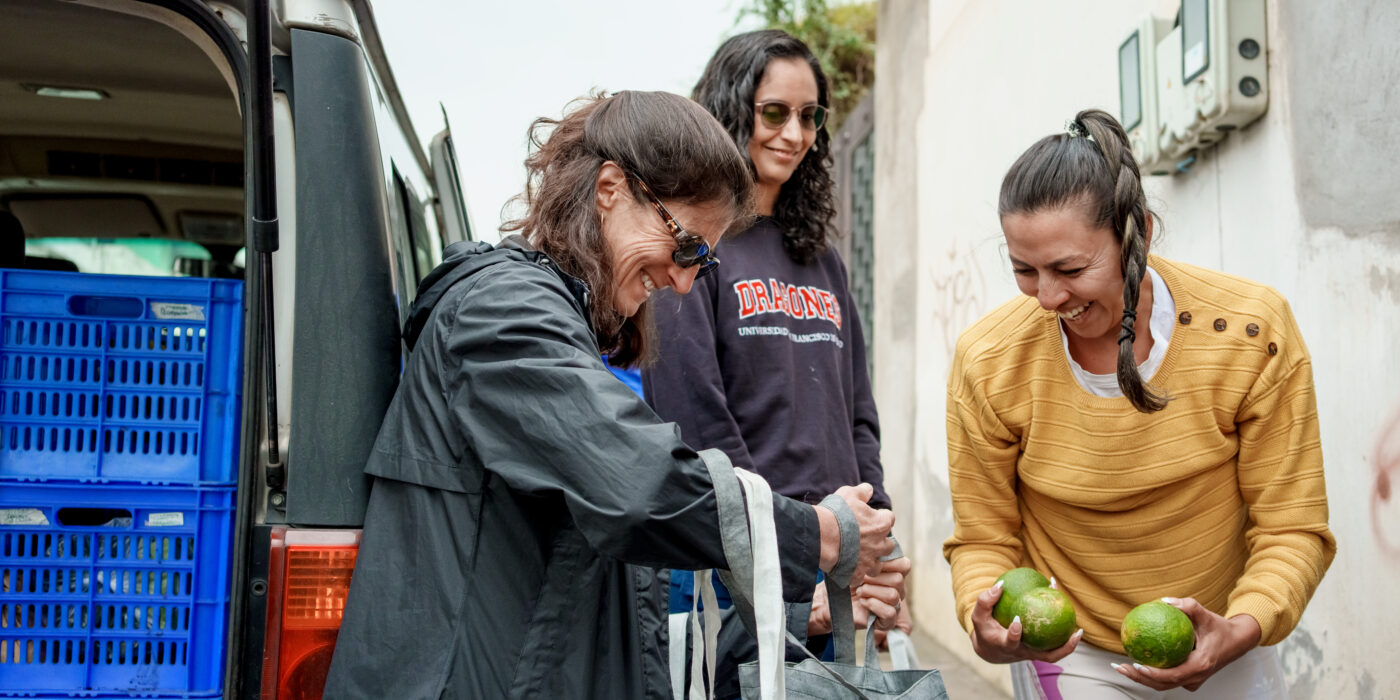
Bursky Public Health's Lora Iannotti and colleagues tested whether a diverse diet inspired by ancestral eating patterns could support maternal nutrition and fetal development.
September 25, 2026
Experts from public health and other fields came together to discuss how and why to build a listening infrastructure