October 16, 2026
Five WashU research teams receive 2026 FARM Cultivate grants
Projects explore the connections among food, agriculture, environmental sustainability and human health


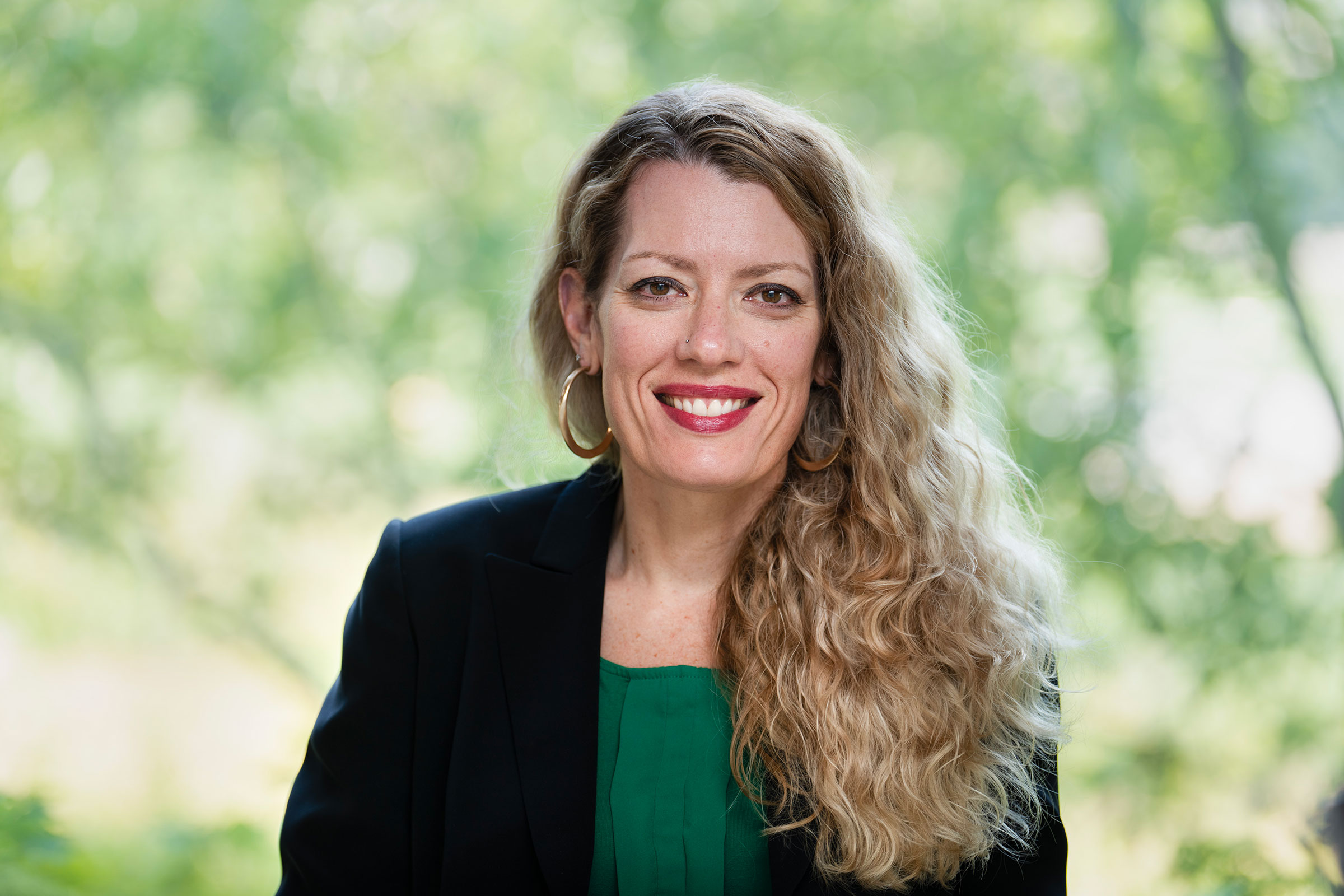
Hobson brings passion for and experience with teaching to her role shaping the education of the next generation of public health professionals
“Never leave time for boredom” was a piece of career advice Angela Hobson, MPH, PhD, received from a mentor during her undergraduate studies. Hobson took the advice to heart and built a career for herself that is anything but boring. She has worked in local governmental public health, conducted environmental health research in the Peruvian Andes, and taught classes in epidemiology and environmental health, with a stint as a stay-at-home mom along the way.
“When I was going through my PhD program, I thought I would be an independent investigator, in academic research,” said Hobson, now the associate dean for education at the Andrew M. and Jane M. Bursky School of Public Health at Washington University in St. Louis. Instead, after completing her PhD, she turned down two postdoctoral opportunities and became a stay-at-home mom. “That was important for me and my family then. It was a transformative time, but it meant I went in a little bit of a different direction with my career.”
That different direction eventually led her to teaching and academic administration, and to the role she holds today, overseeing the educational offerings and student experience at Bursky Public Health.
“As associate dean of education, I provide oversight and direction for all our educational offerings and student experience,” she said. “So, everything from admissions and recruitment, to graduation and continuing education and professional development now as well.”
It wasn't the career Hobson envisioned when she began her PhD, but working with students has become the most rewarding part of her career.
“I really get a lot of joy out of my work because it is a great opportunity to meet students from literally all over the world, to be here with them on their educational journey, and to really think and care about our academic programs and how we're preparing students to meet their goals, and our shared goals of advancing health,” she said.
Here, Hobson shares what an associate dean for education actually does, how she stays current, and the best career advice she ever got.
“We're in the midst of redesigning our Master of Public Health curriculum, launching in fall of 2027, so that is an ongoing effort. We're really working hard to think about what that looks like. Summer was not quiet as we spent time mapping out the new curriculum sequencing. We are also just starting the recruitment and admissions cycle for fall 2027, so we are strategizing our fall recruitment schedule and admissions processes.
“We're also in the process of strategically planning for new continuing education and professional development programs for external audiences. We are developing a suite of programs, likely in a stackable credential model to enhance public health workforce readiness.”
First, we're reducing credits from 52 to 42 to improve financial accessibility and efficiency. We are updating foundational requirements emphasizing teaching students how to think, how to lead, how to innovate. We are modernizing the curriculum to emphasize emerging technology such as AI and other digital innovation, communication, leadership and entrepreneurship. Our goal is to prepare students for current and future public health challenges so that they can help shape the future of the field, not just react to current issues.”
“Definitely not. I earned my master's in public health, then worked in research before pursuing my PhD at Saint Louis University, completing it in 2012. I had postdoc offers, one outside St. Louis, but chose to stay for family reasons and turned down the other. I then became a stay-at-home mom, started teaching as an adjunct at WashU in 2013, and joined full-time in 2016. I was asked to be an assistant dean shortly after, and I have been in an administrative role ever since, which led to my current role as associate dean of education at the School of Public Health.”
“I do. It's been a little bit less in the last couple of years, but this past year I taught our public health seminar course for MPH students, and I teach an undergraduate course in the spring on environmental justice and environmental racism.”
“Build relationships, build your network. What students learning in the classroom is critically important, as it is the foundation of their education. But an education is not limited to classroom learning. The opportunities to network with their peers and faculty members is just as valuable. Sometimes it can feel overwhelming or a little intimidating to reach out to people you don't know, but most people are genuinely happy to have a conversation or offer guidance or advice.”
“I recall advice from my mentor Sharon LaFollette who said, ‘Never leave time for boredom,’ which I took to mean that we can’t afford to be bored in this work, and that means staying curious, exploring options and engaging fully. Your work should excite you; it should be enjoyable and fulfilling. The key is to remain curious, involved, and engaged. I'm not sure if that's the best career advice, but it's something I often think about. I also think it is really important to reflect on your purpose and values. Is your work aligned with your purpose? Are your values still guiding your work? Hopefully the answer is yes. If not, then what can you do to get back to yes?”
“I find value in being part of this community of faculty and staff working in diverse public health areas, gaining insights from that. Also, I stay involved in organizations such as the Association of Schools and Programs of Public Health and the American Public Health Association, which help me better understand the field and public health education. I also learn from faculty peers and stay informed through reading about developments in education and key areas for teaching students. Overall, staying connected to professional organizations, peers and colleagues keeps me engaged in ongoing conversations.”
“My career in public health has led to working in many interesting places. For instance, as part of an internship on the Navajo Reservation for my undergraduate program in environmental health, I administered rabies vaccinations to dogs and cats as part of public health efforts there. When I was in Colorado at a local health department, we dusted prairie dog colonies with pesticides because they were infested with plague-carrying fleas.
“Through my training and work in public and environmental health, I've also been in lead mines and in shipyards, and in a lot of other very interesting places. Public health will take you to places you don't necessarily expect to be. That's part of the joy of the work. You get to work in spaces and places and with people that are just really fascinating.”
“I have two children, ages 12 and 15. They keep me very busy. I love to be outside. I love to exercise — walks, runs. I'm an avid audiobook listener, so if I'm doing chores, driving, walking, or running, I'm almost always listening to a book. That keeps me grounded, and it provides a nice escape. Historical fiction is probably my favorite genre, with extra bonus points for stories with strong female main characters. I just finished ‘The Calamity Club’ by Kathryn Stockett. It's set in the 1930s, about a diverse group of women working through family and economic struggles who come together to support each other in unexpected ways. It's a beautiful work of fiction.”
Judith Mwobobia, MPH, is the inaugural Writing Fellow for the Bursky School of Public Health Office of Communications. Mwobobia is a PhD student in public health sciences and previously was a journalist in Kenya. She writes profiles and helps cover the news of the school, with a particular focus on student- and education-related stories.
October 16, 2026
Projects explore the connections among food, agriculture, environmental sustainability and human health
October 16, 2026
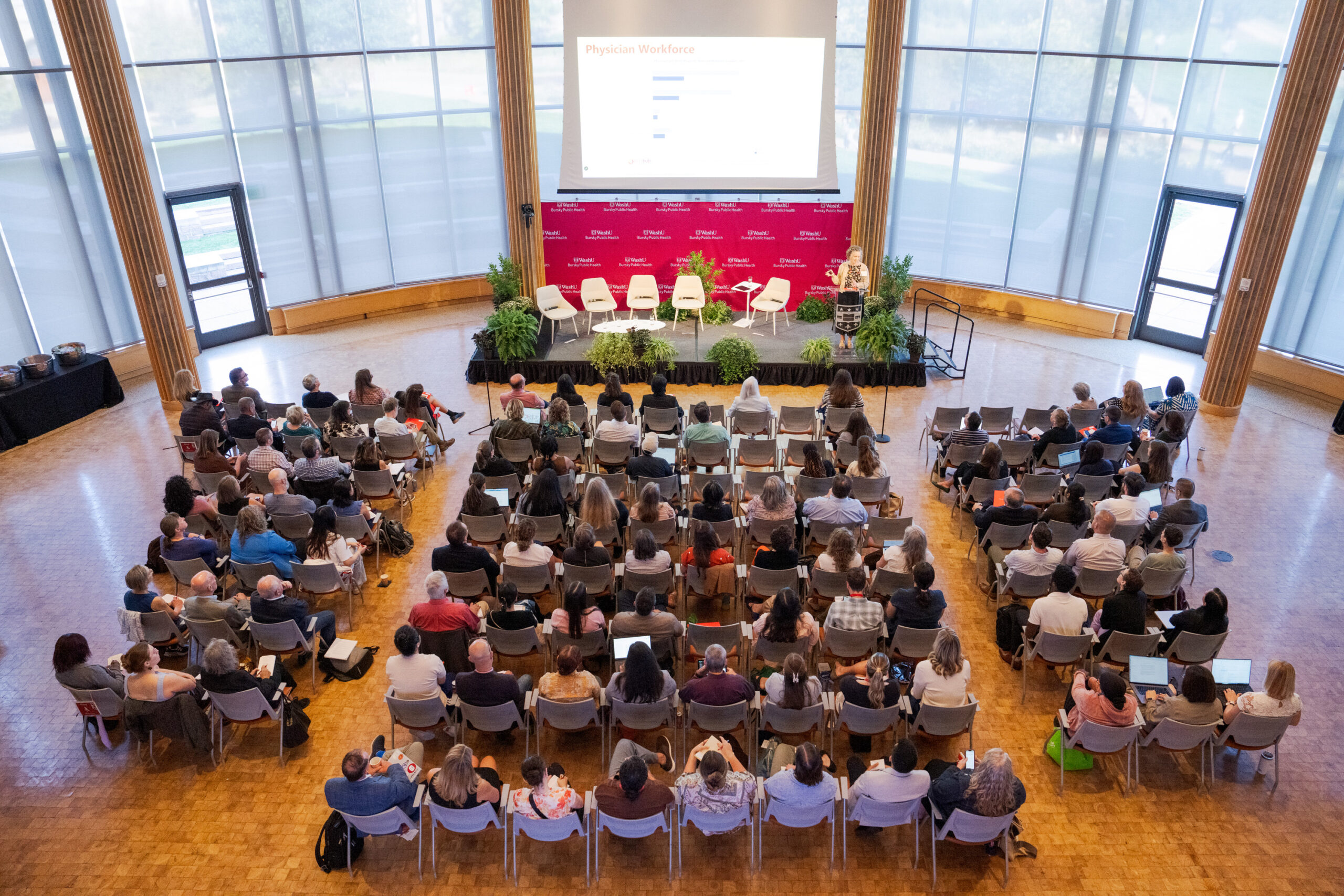
Forum explored how rural health, food systems, agriculture and nutrition interact to impact public health and well-being
WashU's The Source
October 16, 2026
Spielman brings decades of experience in global food policy and economics to his current research on food systems, innovation and rural health