October 9, 2026
Bridging public health and primary care for a healthier population
WashU convening to explore building primary care-based research networks to improve healthcare, public health



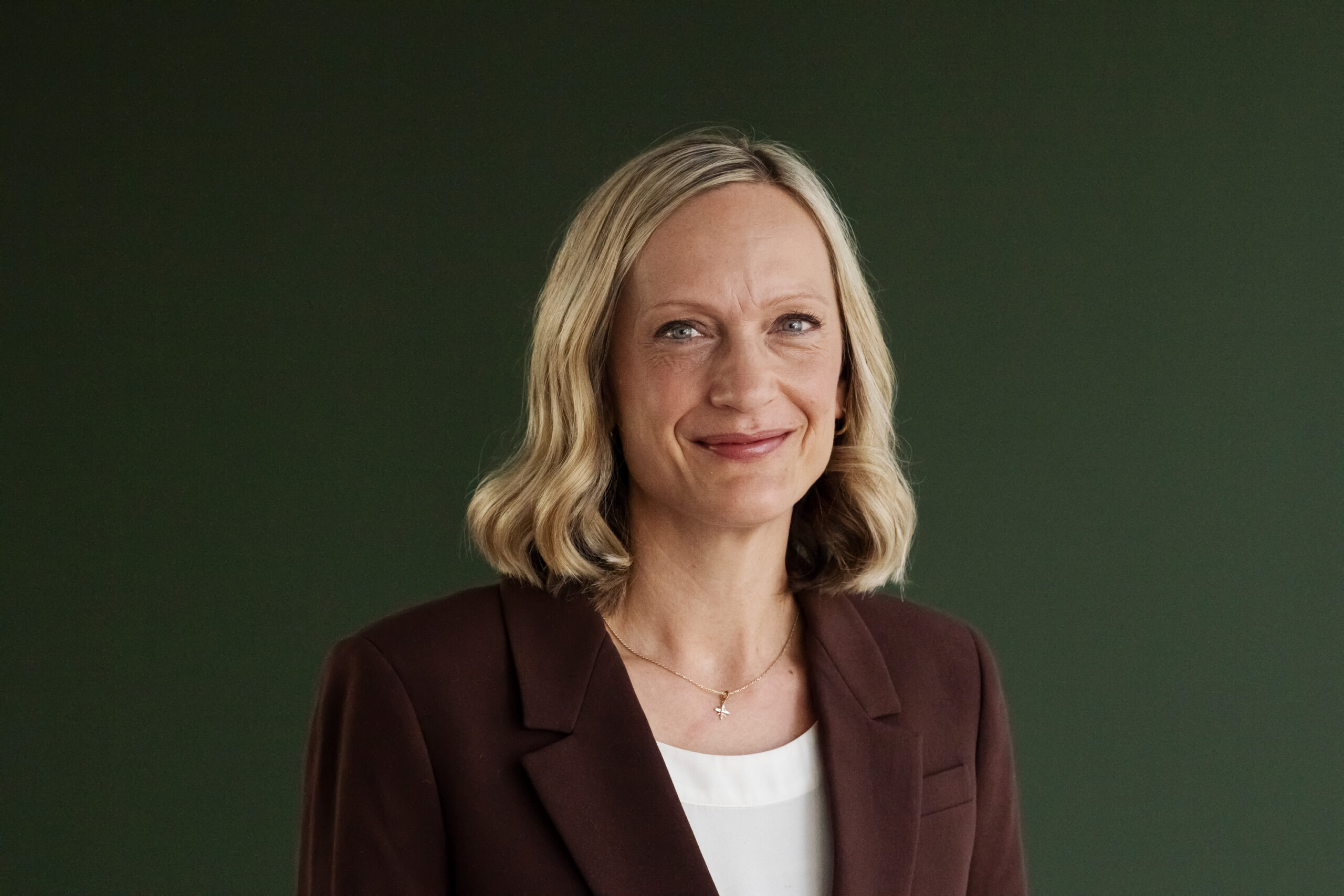
A member of the WashU public health community from the beginning, Kemper brings insights from her varied career to her current role recruiting and supporting faculty
In her more than two decades at WashU, Leah Kemper, MPH, the director of faculty affairs at the Andrew M. and Jane M. Bursky School of Public Health at Washington University in St. Louis, has witnessed public health evolve from an area of interest into a fully realized school.
"When I started, there wasn't an MPH program at WashU," Kemper said. "Some of the faculty who later helped develop the program were my professors when I was earning my MPH at Saint Louis University. Over the years, my career in public health has expanded from health policy research and translation to the Institute for Public Health and now, the Bursky School of Public Health. It's rewarding to have witnessed that growth from the beginning."
Today, Kemper plays a key role in making sure that public health continues to grow and thrive at WashU. As director of faculty affairs, she works with public health faculty at every stage of their career, from recruitment and onboarding through senior status. She helps provide career development, mentoring, leadership, and writing support to help faculty develop their professional skills, and helps guide them through career milestones, including preparation for promotion and tenure.
"Our team, at the Office of Faculty Affairs, has had the privilege of recruiting the inaugural faculty at the Bursky School of Public Health,” she said. “The faculty who have joined the school are accomplished, energetic, and excited to help build our new school. Our office guides them through the hiring and onboarding process, supports them as they settle into St. Louis and the school, and continues working with them as they establish their careers at WashU.
"Recently, we held our first promotion and tenure celebration,” she continued. “It was rewarding to celebrate this milestone with these faculty, and I look forward to continuing to support our faculty through the development of their careers.”
In the conversation below, Kemper reflects on her career journey, the evolution of public health at WashU, and why creating the conditions for others to succeed has become one of the most rewarding parts of her work.
“I earned my Master of Public Health at Saint Louis University. While I was a student, I worked at WashU’s Center for Health Policy with the late Dr. William Peck, former dean of the School of Medicine. After that, I spent several years conducting research focused on Medicare and Medicaid policy in the Brown School with Drs. Tim McBride and Abigail Barker, both of whom are now at the Bursky School. Later, I helped start and manage the Center for Health Economics and Policy led by Drs. Karen Joynt Maddox and Tim McBride. Our team developed the Transforming Healthcare in Missouri series that continues today. From there, I became the associate director of the Institute for Public Health, working with Dr. William Powderly to convene, connect and catalyze interdisciplinary public health activities at WashU before there was a dedicated school. When the Bursky School was founded, I transitioned into my current role to work with Associate Dean Debra Haire-Joshu to develop the infrastructure of the Office of Faculty Affairs and recruit the inaugural faculty of the school.
“All of these experiences have helped to inform my current work of establishing the Office of Faculty Affairs at the school and recruiting our inaugural faculty. I am excited for the opportunity to continue to develop ways for our faculty to advance interdisciplinary public health research and practice.”
“I have learned that communication skills are extremely important. Faculty candidates who get the job and succeed in their careers have mastered explaining their research and interests clearly and in ways that are easy for different audiences to understand. Leadership is another thing that really stands out. People who are willing to take initiative and step into opportunities often continue to grow throughout their careers. I also think mentors are incredibly important. Learning from people who have already navigated the process can make an enormous difference, especially when someone is joining a new school and trying to understand all the different systems and expectations. Finding the right community and building those relationships can really help someone grow both their research and their career.”
“We consistently encourage new faculty to take advantage of the many opportunities available here. There are early-stage investigator meetings, network convenings, seminars, and many ways to meet people across the school. I also tell them not to feel like they must figure everything out on their own. Seek advice. Our office is here to help and connect them to resources and mentors that can provide guidance and support.
“Connecting faculty is an important part of our work. In addition to our primary faculty, we also support over 100 secondary faculty from schools across WashU. We've partnered with the Office of Innovation to host events where all faculty, primary and secondary, can learn about research networks and meet colleagues across the school and university. We're always happy to make introductions for those seeking a collaborator or looking to connect with someone in a specific area. I feel that we’ve accomplished quite a bit during our first year and a half, but we're constantly refining our processes and creating new opportunities for faculty to connect and collaborate.”
“My work has continued to evolve. I haven't been doing the same job for 20 years. Each role has brought new challenges and opportunities to learn. I also really like the people I work with. I am surrounded by bright energetic people who are trying to improve the opportunity for people to live healthy lives. Even though I'm not currently conducting public health research, I am supporting the cutting-edge work being done at the school. I truly believe in the mission of public health. The school has already proven its incredible impact, and I am excited to see that success scale to even greater heights as it continues to impact population health in St. Louis, the region and beyond.”
Judith Mwobobia, MPH, is the inaugural Writing Fellow for the Bursky School of Public Health Office of Communications. Mwobobia is a PhD student in public health sciences and previously was a journalist in Kenya. She writes profiles and helps cover the news of the school, with a particular focus on student- and education-related stories.
October 9, 2026
WashU convening to explore building primary care-based research networks to improve healthcare, public health
WashU's The Source
October 9, 2026
Bursky Public Health researchers examine how to respond to changes driven by digital technology and generative AI.

October 9, 2026
Public attitudes may inform policies to address substance use, homelessness, mental illness