October 2, 2026
Building food systems that promote rural health
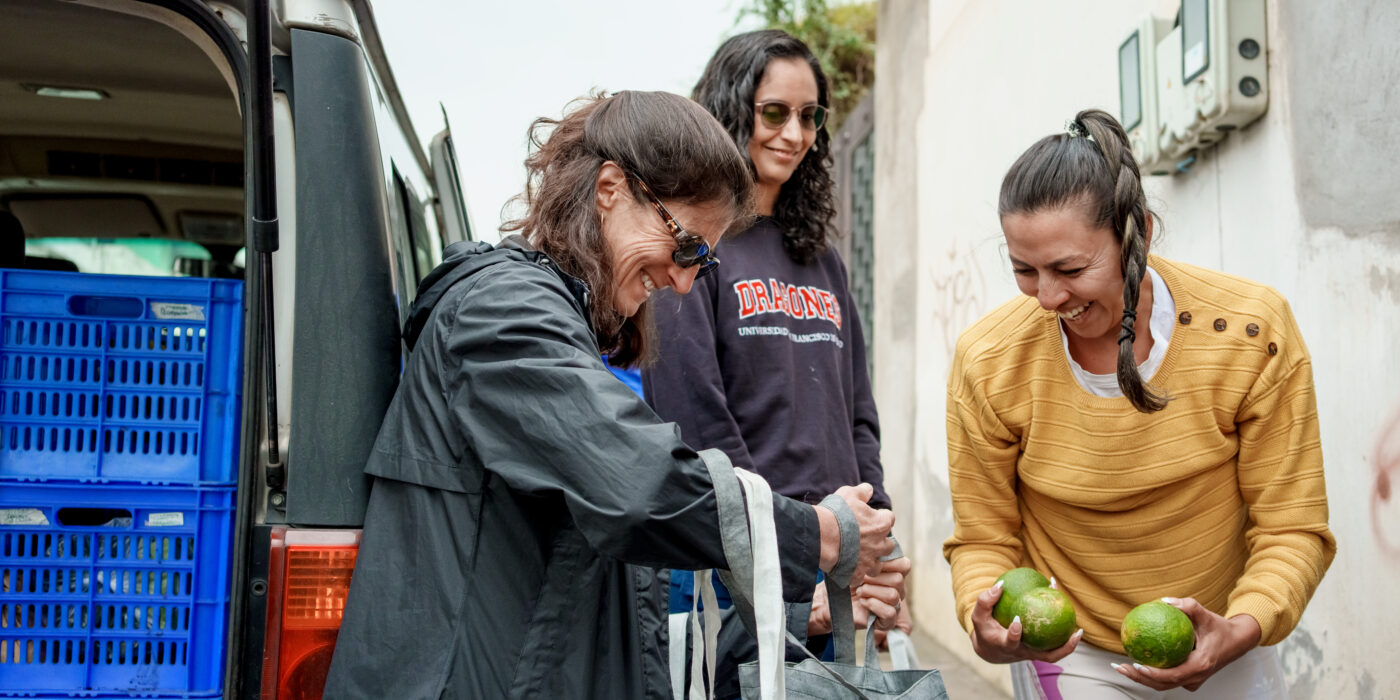
Two-day convening brings together experts to rethink how food is produced, distributed and consumed to better support rural communities


Steensma, Mandeville lead WashU’s role in UN Academic Impact initiative
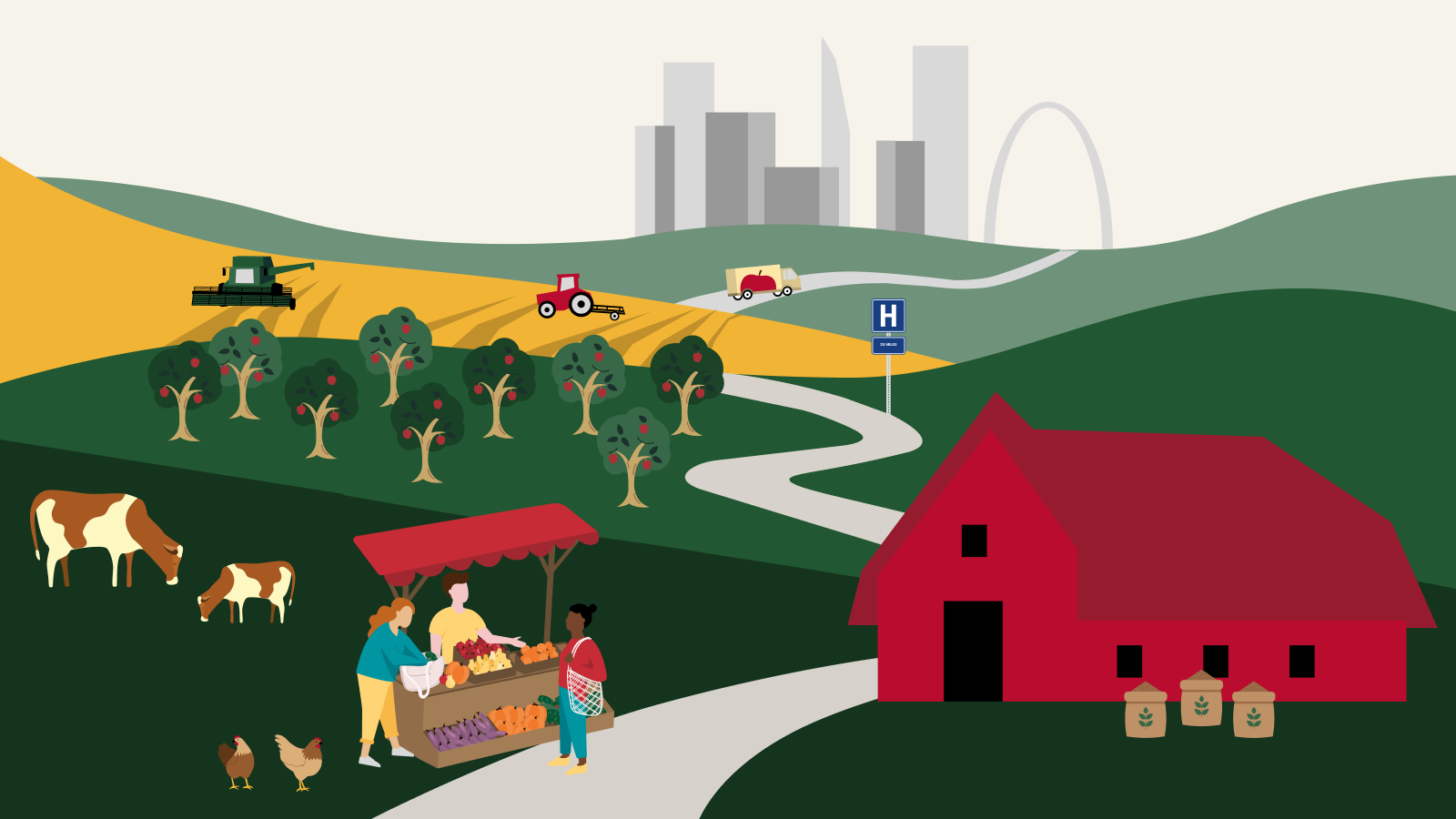
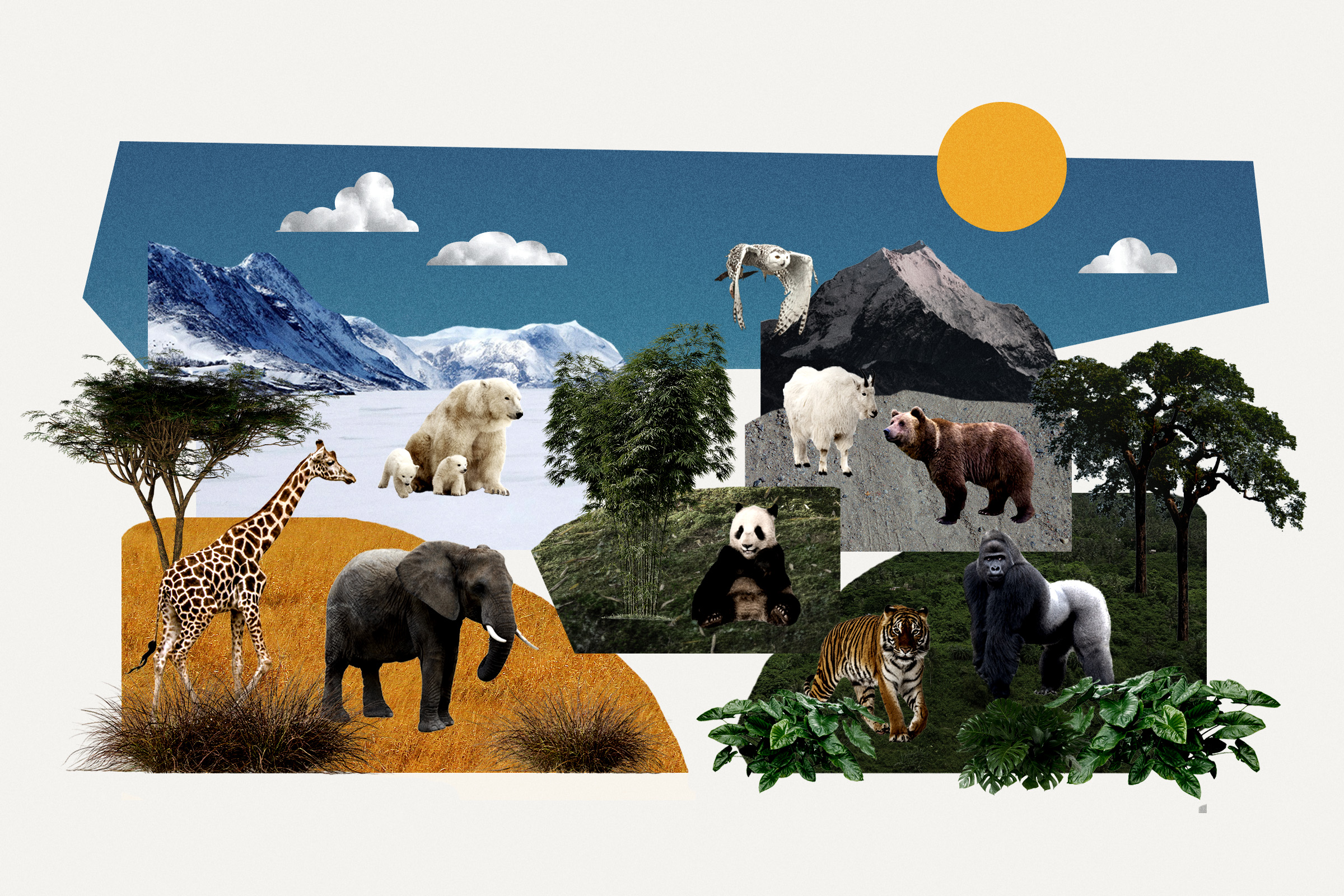
Washington University in St. Louis has been appointed to a United Nations (U.N.) group dedicated to protecting life on land. The university is represented in this effort by Joseph Steensma, MPH, MA, EdD, a professor of practice at WashU School of Public Health, whose work focuses on environmental health and sustainability, and Jen Mandeville, MS, the senior network manager for the school’s Solutions through Planetary Health Research (SPHERE) network, which is dedicated to advancing research and partnerships that lead to transformative solutions for human health and environmental challenges. Their work in support of the group will be facilitated and disseminated by SPHERE.
The group is a hub of the U.N.’s Academic Impact initiative, which aims to leverage the strengths of academia to advance the U.N.’s sustainable development goals. WashU has taken on the role of vice chair for research at what is formally called the "United Nations Academic Impact Sustainable Development Goals Hub for Sustainable Development Goal 15: Life on Land." The university will hold this position through December 2027.
“This appointment is a testament to WashU’s and the School of Public Health’s commitment to environmental stewardship,” Steensma said. “I look forward to working with colleagues around the world to drive forward impactful research to conserve and restore terrestrial ecosystems.”
U.N. Academic Impact hubs are designated institutions of higher education that actively work to promote the U.N.’s 2030 Agenda for Sustainable Development, a shared blueprint for peace and prosperity for people and the planet. The hubs harness the expertise and resources of academia to create positive social, economic, and environmental change. They serve as catalysts for innovative solutions to global challenges, bringing together academia, students, local communities and partners to accelerate progress toward a more sustainable and equitable world.
Each hub is focused on a specific goal. WashU has joined the hub devoted to conserving life on land by working to protect and restore terrestrial ecosystems, sustainably manage forests, combat desertification, halt and reverse land degradation, and stop biodiversity loss. As vice chair for research, WashU will help lead global higher education efforts to develop and implement projects that contribute to research, knowledge production, teaching and learning about life on land.
“Protecting terrestrial ecosystems is essential not only for sustaining biodiversity, but also for safeguarding the health and well-being of people everywhere,” Mandeville said. “I am excited by this opportunity to advance the U.N.’s sustainable development goals and work toward a healthier and more sustainable world.”
WashU was chosen from among 330 applicants because of its demonstrated commitment to advancing the life on land goal by promoting urban greening in economically depressed areas, restoring tree canopy and biodiversity in urban areas, and creating a micro-habitat and micro-reservoir of endangered species of the Ozark biological community.
Tamara Schneider, MPH, PhD, is the assistant director of communications and senior science writer at Bursky Public Health. She holds a bachelor’s degree in molecular biophysics & biochemistry and in sociology from Yale University, a master’s in public health from the University of California, Berkeley, and a PhD in biomedical science from the University of California, San Diego. She joined WashU as a science writer in 2016.
October 2, 2026
Two-day convening brings together experts to rethink how food is produced, distributed and consumed to better support rural communities
October 1, 2026
A one-time social worker, Gilbert transitioned from helping patients navigate serious illness to studying how to prevent it
The Source
September 25, 2026
Bursky Public Health's Lora Iannotti and colleagues tested whether a diverse diet inspired by ancestral eating patterns could support maternal nutrition and fetal development.