October 2, 2026
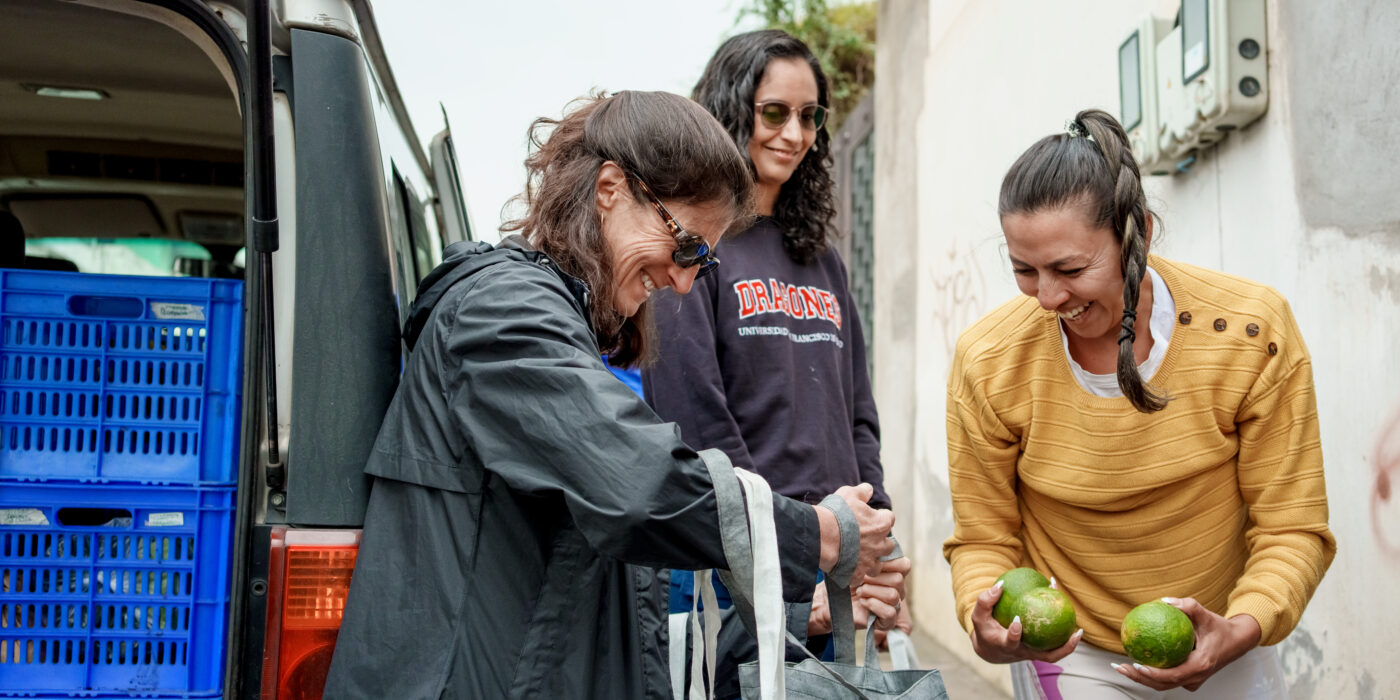
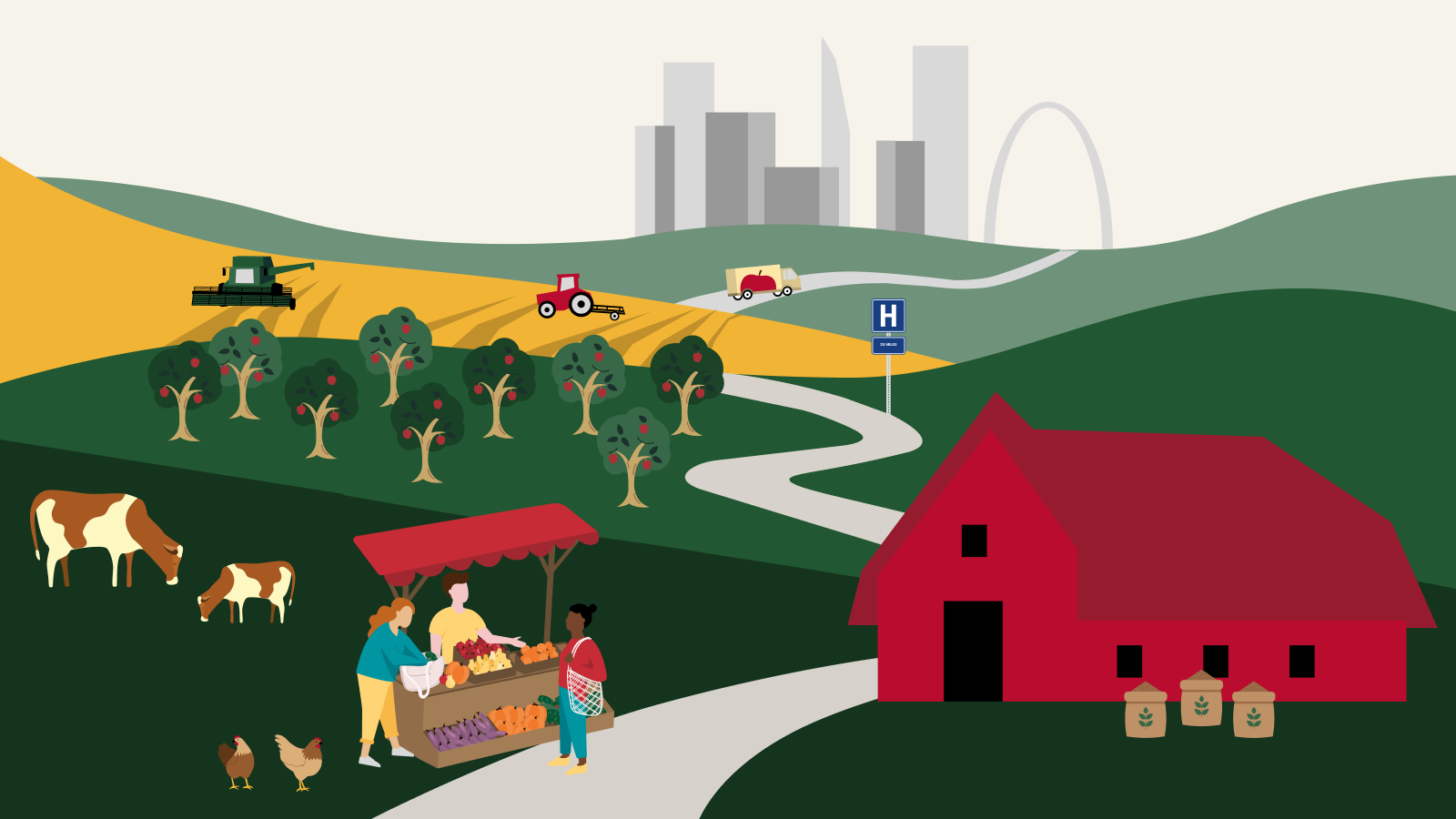
Building food systems that promote rural health
Two-day convening brings together experts to rethink how food is produced, distributed and consumed to better support rural communities


Researcher studies how pollution and stress affect pregnancy and children
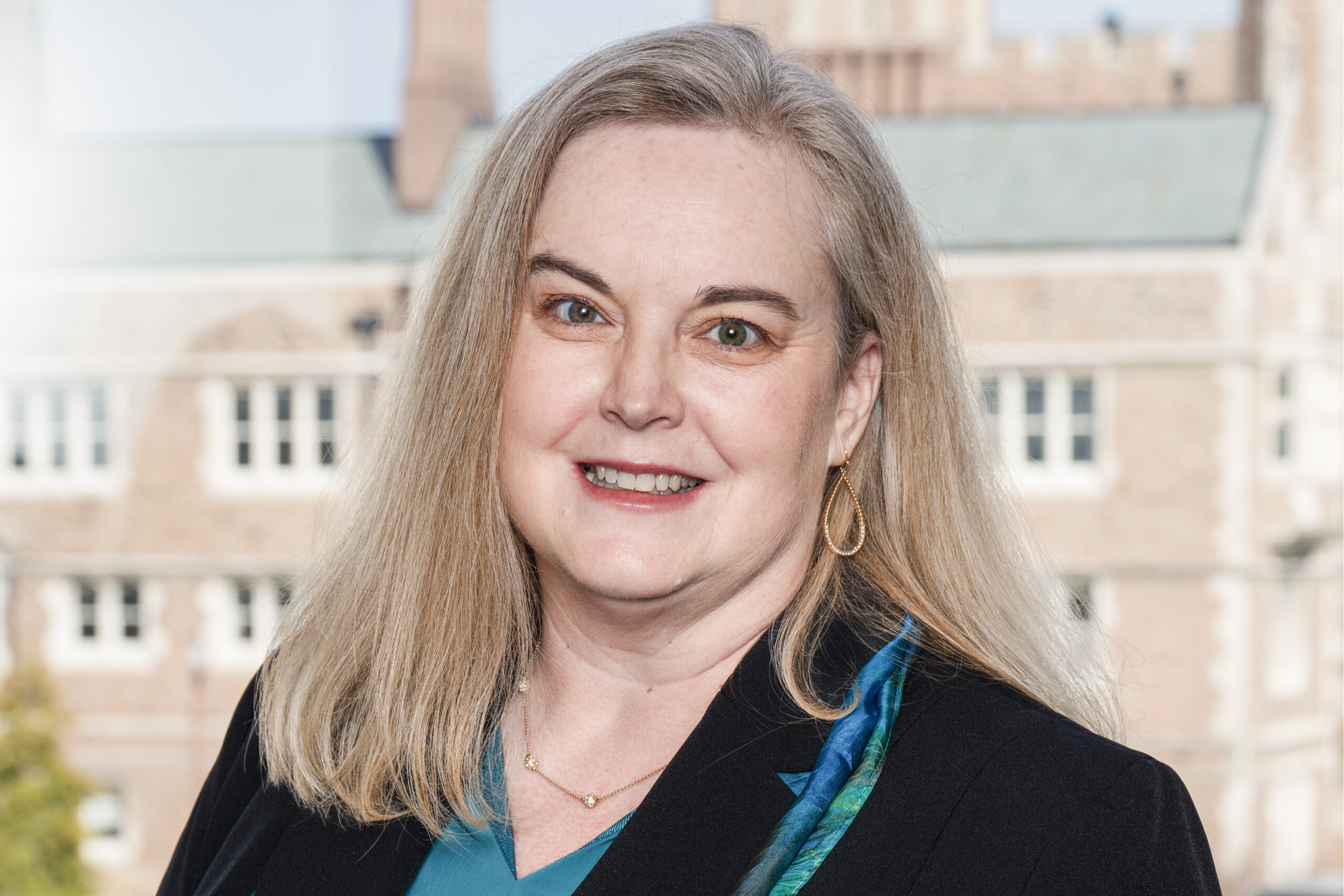
As an environmental epidemiologist, Tracy Bastain investigates how external factors — chemical, physical and biological — impact human health. But she did not set out to study the environment. She earned a bachelor’s degree in psychology and took a job in child psychiatry research at the National Institute of Mental Health — but before long, a mentor told her she was thinking like a public health researcher, not a clinician.
That nudge redirected Bastain and led her to get an MPH at Johns Hopkins University, and then a PhD at the University of Southern California (USC), which became her professional home for more than two decades. There, she helped build the Maternal and Developmental Risks from Environmental and Social Stressors Center, the MADRES Center — a research program focused on how environmental burdens such as chemical pollutants, psychosocial factors and the built environment shape the health of pregnant people and their children. She recently joined WashU School of Public Health as a professor and brought her work to St. Louis.
"There are a lot of environmental health challenges in St. Louis," said Bastain. "I am very interested in, 'What's the next big problem to solve?' This is a really great place to be able to do that."
While a doctoral student, Bastain delved into data from the Children's Health Study, one of the largest and most detailed investigations of the long-term effects of air pollution on children's respiratory health.
Working with that data made Bastain increasingly interested in how environmental exposures during pregnancy contribute to maternal health and children's long-term health outcomes. Her research now centers on the effects of pollutants — among them, air pollution and chemicals found in everyday household products — on maternal mental health, including prenatal depression and anxiety, and brain development in children.
At WashU, Bastain will continue leading the MADRES Center alongside another new member of the WashU Public Health faculty — Carrie Breton, who co-founded the center with Bastain at USC. Together, they hope to continue their work in Los Angeles and bring it to the St. Louis region.
"Our hope is to expand this to be a two-city study," Bastain said. "St. Louis is a different place that has different exposures and different populations. We want to build on what we've done before, and ideally, we hope to have a second iteration of our MADRES cohort based on the specific exposures and populations here in St. Louis.”
In addition to her research, Bastain, will teach one course each year at WashU. She sees the classroom as a chance to pass along the same revelation she experienced as a graduate student — the moment when the reach of environmental health snaps into focus.
Here, Bastain discusses what drew her to WashU and what the move means for her research.
“The driving force really has been about finding a place where public health is really valued. It was a very exciting draw to think about joining a school of public health. There are a lot of resources here where we can continue to do the types of work that we've been doing the past 10 years.”
“What interests me the most is thinking about what the most important issues are, and how we can think outside the box and not do what we've always been doing. I think everyone can say that this has been a trying year for public health and that maybe the traditional approaches have not resonated with at least half of our country. We want to get back to a point where people trust that public health professionals are ultimately trying to improve the health of populations. There is just such an opportunity here, and it's an untapped resource. I'm thrilled that the investment has been made. Everything about this has been exciting because it's thinking about public health in a different way. We must think outside the box to really make a major impact in improving the health of our communities.”
“I like being available to students and especially students who are new to environmental health. I love seeing that sort of ‘a-ha’ moment from them, when they learn that the environment can affect every aspect of your individual health. Environmental health really is public health. It was the first discipline of public health. I think most people don't realize that either. Students’ reactions are always fun to capture. Like, ‘Oh, yeah, I see this. Now I understand that water quality, air quality, these are all things that are very much public health.’”
“To me, it’s helping the most vulnerable populations. The MADRES Center study is so much bigger than just collecting data to solve whatever research question we have right now. It was a support for families. I feel a very strong connection and dedication to making sure that the people who have participated in this study positively benefit from participating, both at a societal level, but also at an individual level. The moms who have stayed in the study and have dedicated so many years of their lives to this, they feel like they're part of a family. And that is a great motivation for me to continue to do this kind of work.”
October 2, 2026
Two-day convening brings together experts to rethink how food is produced, distributed and consumed to better support rural communities
October 1, 2026
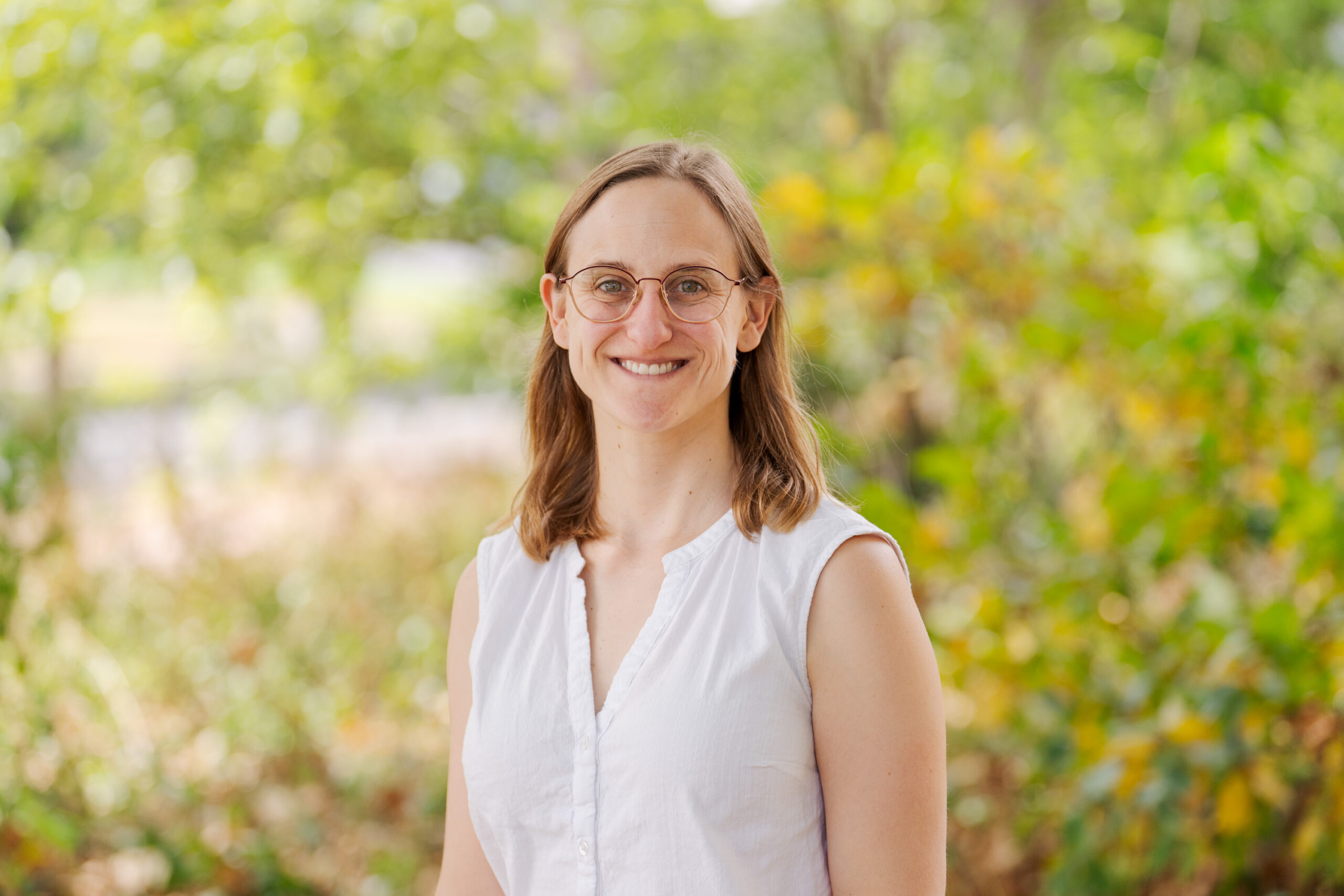
A one-time social worker, Gilbert transitioned from helping patients navigate serious illness to studying how to prevent it
The Source
September 25, 2026
Bursky Public Health's Lora Iannotti and colleagues tested whether a diverse diet inspired by ancestral eating patterns could support maternal nutrition and fetal development.