October 9, 2026
Bridging public health and primary care for a healthier population
WashU convening to explore building primary care-based research networks to improve healthcare, public health



Expert on conflict-related sexual violence focuses on survivor-centered approaches
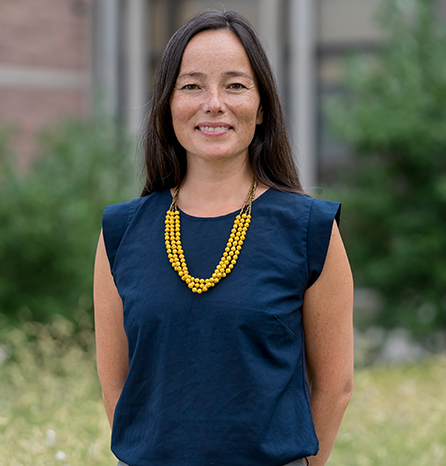
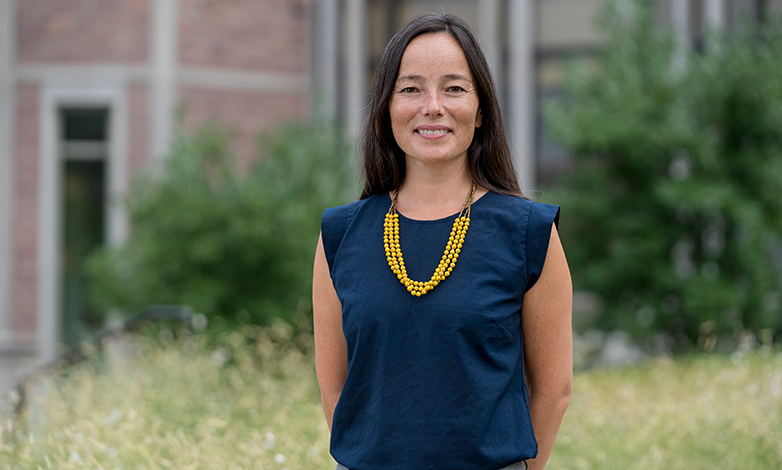
Kim Thuy Seelinger, JD, a professor of practice at the School of Public Health at Washington University in St. Louis, has been named an affiliate of the Australian Research Council Centre of Excellence for the Elimination of Violence against Women (CEVAW). The center’s mission is to understand the causes, contexts and most effective responses to violence, and to translate that research into innovative solutions and strengthened capacity to drive the elimination of violence against women.
An expert on gender-based violence in armed conflict and forced displacement, Seelinger focuses on survivors’ need for protection and accountability and strengthening the support and legal systems they encounter. She engages with justice actors, victims’ advocates, human rights defenders and asylum adjudicators to develop survivor-centered approaches.
In June, Seelinger delivered the keynote address at CEVAW’s first international conference. Her talk examined the reasons for and effects of delays in prosecuting crimes of sexual violence, concluding that it is possible and desirable — albeit difficult — to take a survivor-centered approach to speeding up the wheels of justice.
Tamara Schneider, MPH, PhD, is the assistant director of communications and senior science writer at Bursky Public Health. She holds a bachelor’s degree in molecular biophysics & biochemistry and in sociology from Yale University, a master’s in public health from the University of California, Berkeley, and a PhD in biomedical science from the University of California, San Diego. She joined WashU as a science writer in 2016.
October 9, 2026
WashU convening to explore building primary care-based research networks to improve healthcare, public health
WashU's The Source
October 9, 2026
Bursky Public Health researchers examine how to respond to changes driven by digital technology and generative AI.

October 9, 2026
Public attitudes may inform policies to address substance use, homelessness, mental illness