October 9, 2026
Bridging public health and primary care for a healthier population
WashU convening to explore building primary care-based research networks to improve healthcare, public health




Bursky Public Health MPH students hone their skills on real-world challenges through the applied practice experience
When the nationwide cyclosporiasis outbreak reached Missouri this summer, Theresa Nguyen, a second-year MPH student at the Andrew M. and Jane M. Bursky School of Public Health at Washington University in St. Louis, was partway through her required applied practice experience at the St. Louis City Department of Health.
“Early in the summer, I was watching the outbreak from the sidelines, never expecting it to directly affect me,” Nguyen said. “Then the city got its first case, and after that, the cases kept coming. Part of my job as an intern was updating our line list with any reportable communicable disease case, and there was a stretch where nearly every new case was cyclosporiasis. That's when it hit me that this was real. This wasn't a hypothetical scenario; it was affecting real people, and it was our department's job to monitor and respond to it. It felt completely different from anything I'd learned in the classroom.”
The protozoan Cyclospora causes a particularly unpleasant intestinal illness characterized by stomach cramps, watery diarrhea and fever. It is transmitted through contaminated food — in this case, iceberg lettuce. The outbreak, first detected in Michigan this past June, quickly grew to be the largest in U.S. history, with more than 10,000 cases across 17 states, 454 hospitalizations, and two deaths as of August 20, according to the Centers for Disease Control and Prevention (CDC). While the contaminated lettuce is no longer on store shelves and new case reports have dwindled, the CDC continues to monitor the situation.
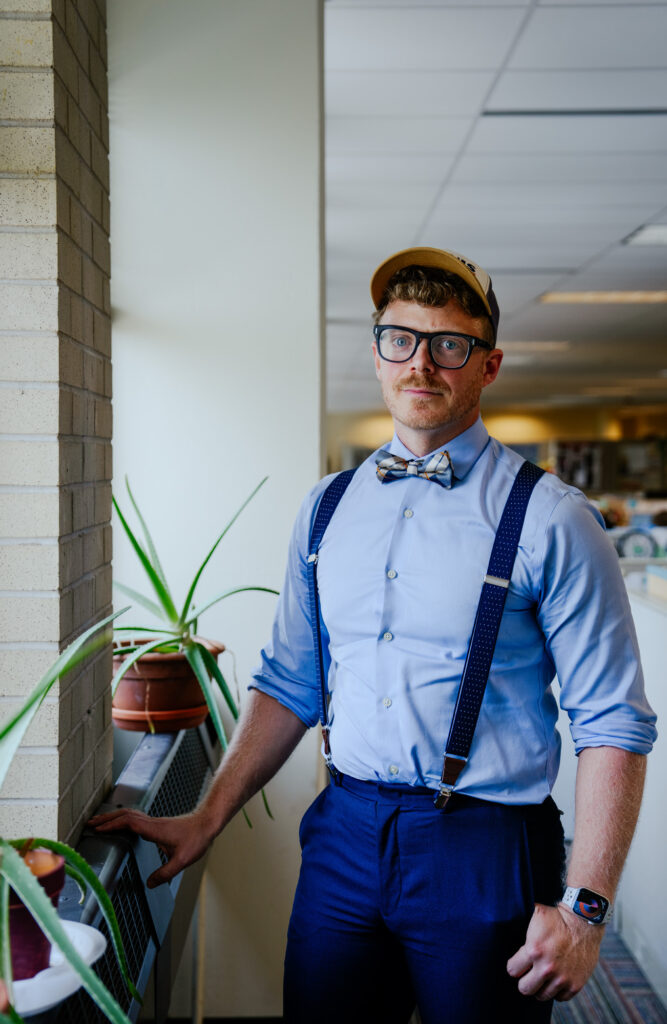
Nguyen’s supervisor David Courtney, an epidemiologist at the St. Louis City Department of Health, said that applied practice is an indispensable part of learning to be a public health professional.
“Students may learn biostatistics, formulas and how to organize data in class,” he said, “but until you’re actually in the moment, I don’t think you really know how it’s supposed to be used.”
That transition from learning public health to practicing it is at the heart of the applied practice experience at Bursky Public Health. MPH students spend 360 hours, typically during the summer between their first and second years, embedded in government agencies, nonprofits and research labs helping solve real public health problems.
“Public health is primarily practice-based, rooted in solving real societal problems,” said William Effah, MD, MPH, MBA, a lecturer and the deputy director of applied practice. “Some of our students become researchers, but many go on to work in nonprofits, health departments and policy. Training can’t be purely classroom-based; students need real-world application. Understanding theory is different from using it effectively.”
Students select their own practicum sites based on their interests and career goals, with opportunities available locally, nationally and globally through more than 150 partner organizations. Effah and Kate Barbier, MPH, MSW, the director of the Office of Student Applied Practice, help students identify their goals and potential sites, develop projects and deliverables with partner organizations, and navigate the practicum experience.
“Our role is to make sure that the student’s applied practice experience is as beneficial as possible for both the student and the organization,” Effah said. “Students learn the most when they get an opportunity to meaningfully contribute to advancing the goals of the organization. The organization provides the learning experience, but ideally, they will also benefit from the work that the student does and the skills that they bring to the table.”
In addition to participating in the response to the cyclosporiasis outbreak, Nguyen worked on several other projects for the Department of Health. She helped the department prepare for future outbreaks by creating fact sheets, exposure notification letters and investigation templates that could be quickly applied to other communicable diseases. She also joined a team planning a two-year campaign to combat stigma around substance-use disorder. Nguyen helped design a survey to gauge community perceptions of the disorder and the experiences of people affected by it.
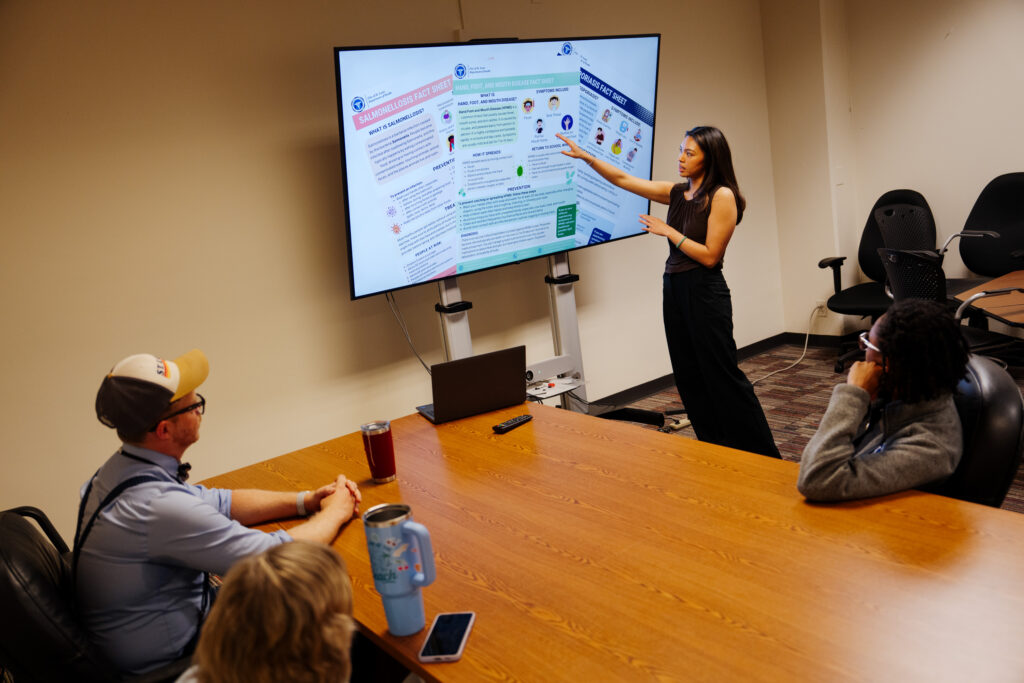
“Research methods was one of my least favorite classes,” said Nguyen, whose concentration is biostatistics and epidemiology. “But I used everything I learned in research methods to create those surveys.”
Nguyen is a 3-2 student, meaning she completed her undergrad in three years and then started her MPH in her fourth year at WashU. As such, she is at the very beginning of her public health career. The experience of working in the St. Louis City Department of Health this summer gave her a clearer sense of the public health professional she wants to become.
“I think the biggest impact on me this past summer has been mentorship and leadership,” she said. “I think I figured out this summer that I want to be a leader in public health: not necessarily to lead with power, but to lead with discernment and genuine connection to others.”
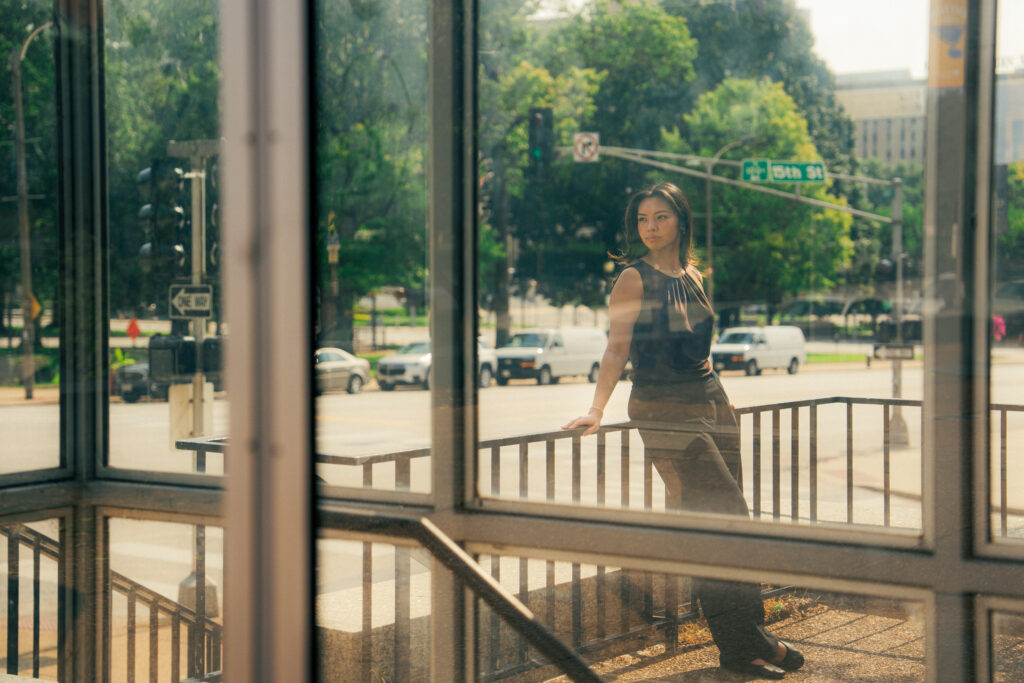
Judith Mwobobia, MPH, is the inaugural Writing Fellow for the Bursky School of Public Health Office of Communications. Mwobobia is a PhD student in public health sciences and previously was a journalist in Kenya. She writes profiles and helps cover the news of the school, with a particular focus on student- and education-related stories.
October 9, 2026
WashU convening to explore building primary care-based research networks to improve healthcare, public health
WashU's The Source
October 9, 2026
Bursky Public Health researchers examine how to respond to changes driven by digital technology and generative AI.
October 9, 2026
Public attitudes may inform policies to address substance use, homelessness, mental illness