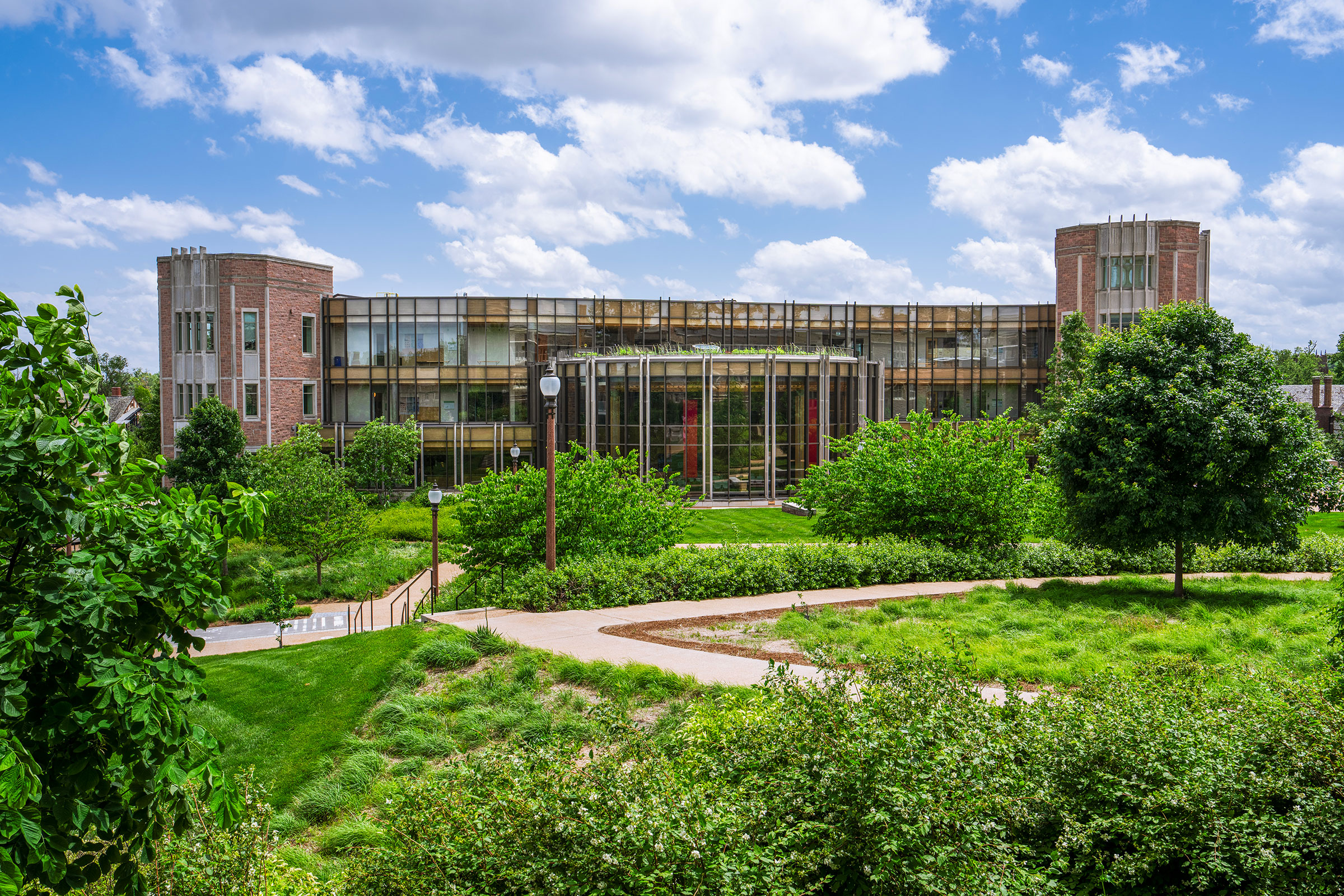
Bursky Public Health welcomes 19 new faculty in 2026
The Andrew M. and Jane M. Bursky School of Public Health at Washington University in St. Louis welcomes 19 new primary and joint faculty members for the 2026-2027 school year.
September 1, 2026


Assembly Series event March 31 to feature Dean Sandro Galea and other national leaders in the field

National leaders in public health will gather March 31 for a panel discussion led by WashU Public Health Dean Sandro Galea, MD, DrPH. The event will be in the Clark-Fox Forum in Hillman Hall on WashU's Danforth Campus. (Illustration: Getty Images)
It’s no secret that public health has taken some punches since the COVID-19 pandemic, a crisis that arguably should have galvanized support for the field rather than leaving it and its infrastructure shaken.
With deep cuts in research funding, the dismantling of livesaving programs, and diminished trust in a field and workforce largely intent on making the world a healthier place, public health is at an inflection point; many of the old ways of doing public health are crumbling, and very few new approaches have emerged.
A group of noted national leaders in public health will gather March 31 at Washington University in St. Louis to discuss how best to move the field forward at this moment. They will participate in a WashU Assembly Series event titled, “Public Health in Challenging Times: Finding a Way Forward.” Led by Sandro Galea, MD, DrPH, the inaugural dean of the university’s new School of Public Health, the participants will convene for a panel discussion at 4 p.m. in Hillman Hall’s Clark-Fox Forum. The event also will be livestreamed.
The focus of the discussion will be the erosion of public health infrastructure funding, and the consequences for preparedness, workforce stability, and population health. The group will delve into the reality of shrinking federal, state, and local budgets, and strategies to safeguard core public health functions and identify opportunities to reimagine sustainable investment in population health.
“Public health infrastructure is not an abstraction; it is the system that stands between communities and preventable harm,” said Galea, the Margaret C. Ryan Dean of Public Health, Eugene S. and Constance Kahn Distinguished Professor in Public Health, and WashU’s vice provost for interdisciplinary initiatives. “At a moment when that infrastructure is under extraordinary strain, we have an opportunity to bring together the leaders of the organizations that represent the breadth of public health practice in this country — from state and local health departments to schools of public health — for an honest conversation about what is at stake and what a sustainable path forward looks like.
“This is exactly the kind of conversation our school was built to convene.”
Galea, acting as moderator, will welcome four other national leaders in public health. They are Georges C. Benjamin, MD, executive director of the American Public Health Association; Lori Tremmel Freeman, MBA, CEO of the National Association of County and City Health Officials; Scott Harris, MD, MPH, immediate past president of the Association of State and Territorial Health Officials; and Laura Magaña, PhD, MS, president and CEO of the Association of Schools & Programs of Public Health.
A reception, from 5:15 to 6:30 p.m., will follow the panel discussion.
The event is free, but those wishing to attend in person or online must register.
The Andrew M. and Jane M. Bursky School of Public Health at Washington University in St. Louis welcomes 19 new primary and joint faculty members for the 2026-2027 school year.
September 1, 2026

Convening addresses the question of how to build listening systems to understand community priorities around health
August 28, 2026
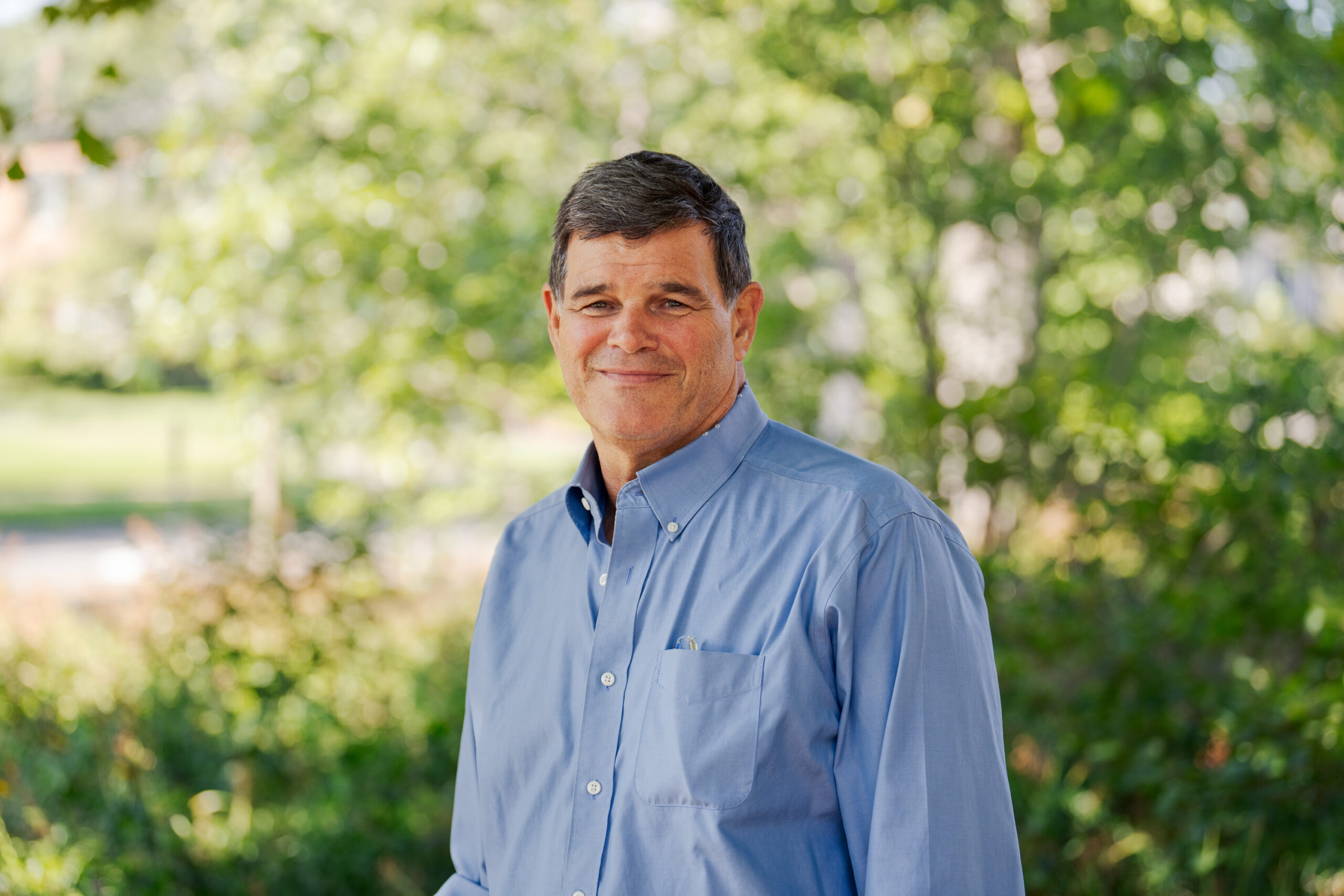
Archaeologist TR Kidder brings an anthropological perspective to studying health, culture and the environment
August 28, 2026