October 9, 2026
Bridging public health and primary care for a healthier population
WashU convening to explore building primary care-based research networks to improve healthcare, public health



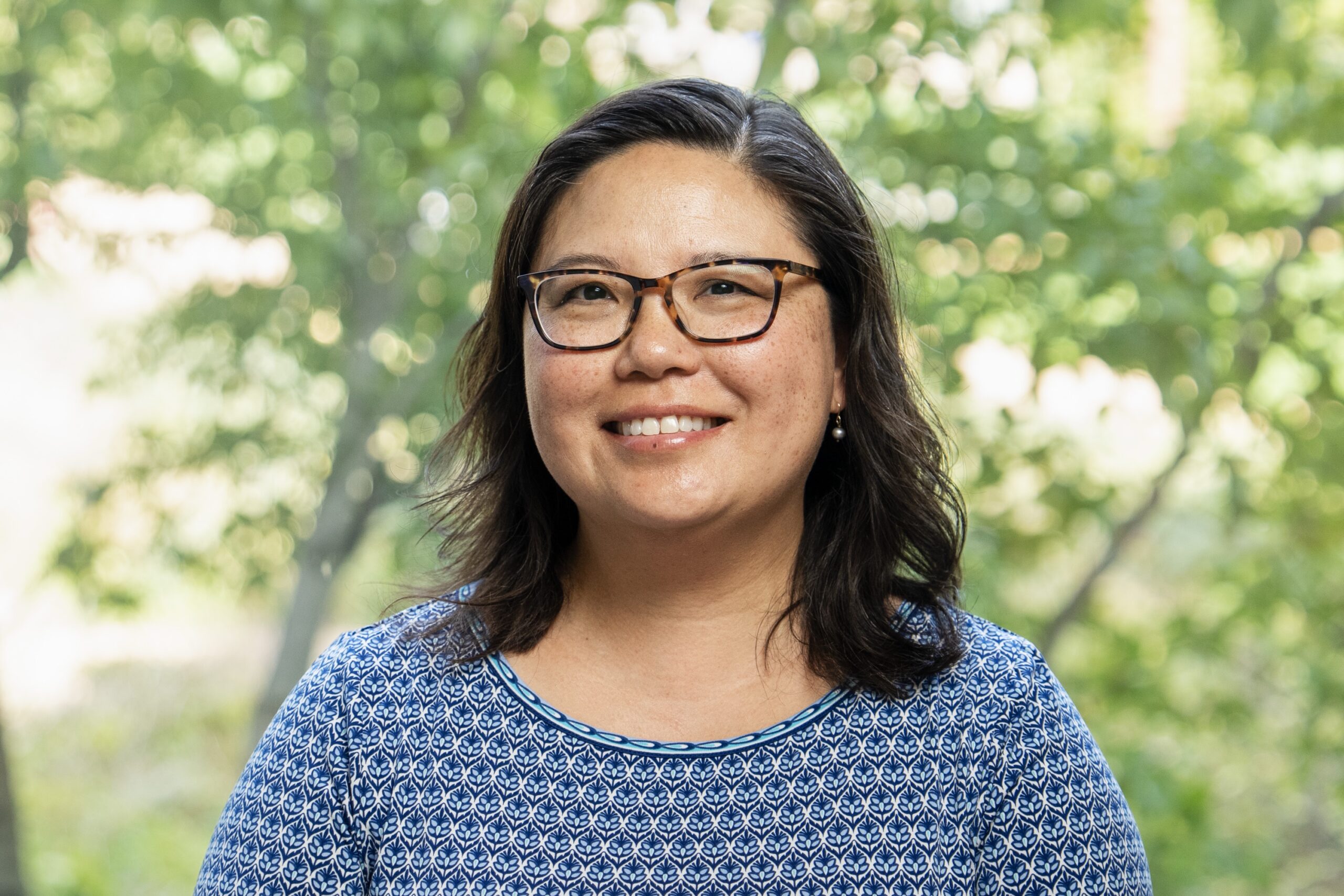
Applying a formative research approach to her work, Caburnay helps guide master’s students and curriculum redesign
Charlene Caburnay, MPH, PhD, finds formative research to be among the most important work a public health professional can do. This type of research requires face time with a specific community to understand, up close, what its health behaviors are and what goes into that population’s decision-making. Such understanding is key before programs and interventions can be implemented successfully within that community.
In the past few months, Caburnay, has been applying this approach to Washington University School of Public Health itself, as the school’s director of master's programs. And as part of the team leading the school in a curriculum redesign process, she poses some of the same foundational questions asked in formative research: What is needed in the field of public health? What matters to students studying this field? And why?
"My belief is that we must all get out of this mindset that we have to do things the way that we have been," said Caburnay, an associate professor of practice at the school. "As health communicators and as public health educators, if we can do a better job of making the information we're trying to relay personally relevant, wouldn't we all be in a healthier place?"
Before transitioning to her current role, Caburnay spent years at the forefront of designing, developing and evaluating health communication programs at the Health Communication Research Laboratory, which was started in the Brown School and now lives in the School of Public Health. The lab delves into public health issues such as chronic diseases, vaccination, and public safety.
"In this new role, I am learning new things that we can create — new policies, new programs, new ways of doing things,” she said. “That's the point of making a great new School of Public Health."
Here, Caburnay talks more about her role and what led to this point in her career.
“When I came over from SLU, I was a very junior faculty member. I was a year out of getting my PhD, and I was in a research faculty position, which is very different than what my role is now. What I observed and felt in that role was that it was very exciting. The idea of starting something new in a place that was very supportive was exhilarating to those who were involved.
“Starting a new public health program within an existing school of social work meant there was already built-in transdisciplinary collaboration there, which was great. Now, we're in territory we've never really been in before. We learn new things every day, We don't necessarily have to use what we have been doing. We can say, ‘OK, what is the best way that we know? Or do we think this is going to work?’
“The education team has been working very hard in preparation for this semester. We also are launching a new program called the Nurturing Future Teachers Program. It's a matching process for students, both master's-level students and PhD students, to be paired with a master's-level course that is eligible for a teaching assistant (TA). It is a coordinated effort to match instructors with student TAs, along with a focus on master's-level students benefiting from serving as TAs.
“This is a way to help instructors get assistance for their courses but also for students who don't normally get exposure to teaching opportunities. Under this program, they will be able to learn from the excellent instructors we have here about teaching and to assist them in the classroom in return.”
“It's a great time and the right time to think about the future of our school and the curriculum. We recently had the first planning session, where we talked about the foundation for our students. We had a great discussion with faculty and staff who attended. We talked about what skills we want our graduates to have when they leave here and then tried to match those up with certain foundational courses and competencies that we think line up very nicely with those.
“A world where we can build on the expertise of our faculty and the research enterprise we have here would, of course, be wonderful. We will build on that as we can, but we want to start with creating the structure and making sure they meet the competencies required from our accrediting body. Then, from there, build this out.”
“I'm going to answer that with a little story. I serve on an advisory committee for a group that's trying to develop a toolkit for health-care providers to advise patients with spinal cord injuries. They've created this great toolkit, which involves a website and decision tools. We had a meeting recently, and they were asking for feedback on this toolkit.
“The questions I asked were: ‘Who is your target audience? What do they already know about you? What information do they need?’
“I tell students that, to create more health-literate communication programs for a variety of populations, you need to identify your target population. Where do they go? Who do they trust? Find out as much information as you can about them. Make no assumptions. Talk to them, find out what they like, what they don't like, what they think and what they believe. Any kind of information that you can relay within the context of that information is going to be that much more relevant. Anything that's going to be more personally relevant is going to have a greater chance of being heard and acted upon.”
“Every year, I get to see every student that has come through the program, which has been amazing. Different cohorts have come in with different approaches. Even if you think maybe this is a trend that's happening, next year it will be different. Over the past five years or so, we've seen a rise in students who have been formally trained as physicians. In the classroom, it's inspiring to have that expertise represented. They're very strong students, and they bring great feedback and commentary on some of the public health issues we discuss."
Hayley (Abshear) Damboise is the School of Public Health’s digital content strategist and social media coordinator. She holds a bachelor’s degree in journalism from Webster University and was previously a freelance writer for national publications and a content creator at a PR firm. She brings almost a decade of experience in writing, content strategy and social media marketing to the team.
October 9, 2026
WashU convening to explore building primary care-based research networks to improve healthcare, public health
WashU's The Source
October 9, 2026
Bursky Public Health researchers examine how to respond to changes driven by digital technology and generative AI.

October 9, 2026
Public attitudes may inform policies to address substance use, homelessness, mental illness