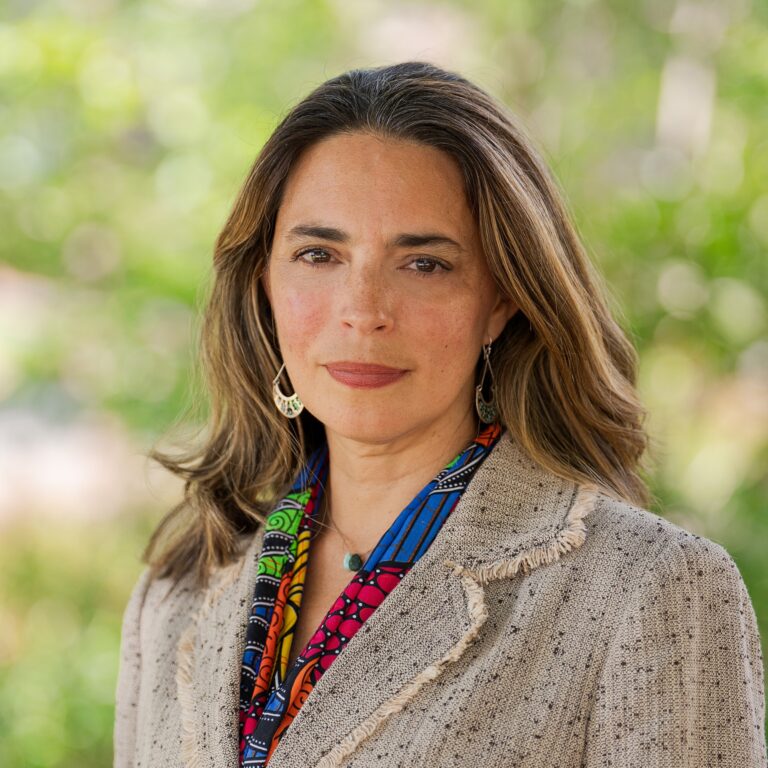
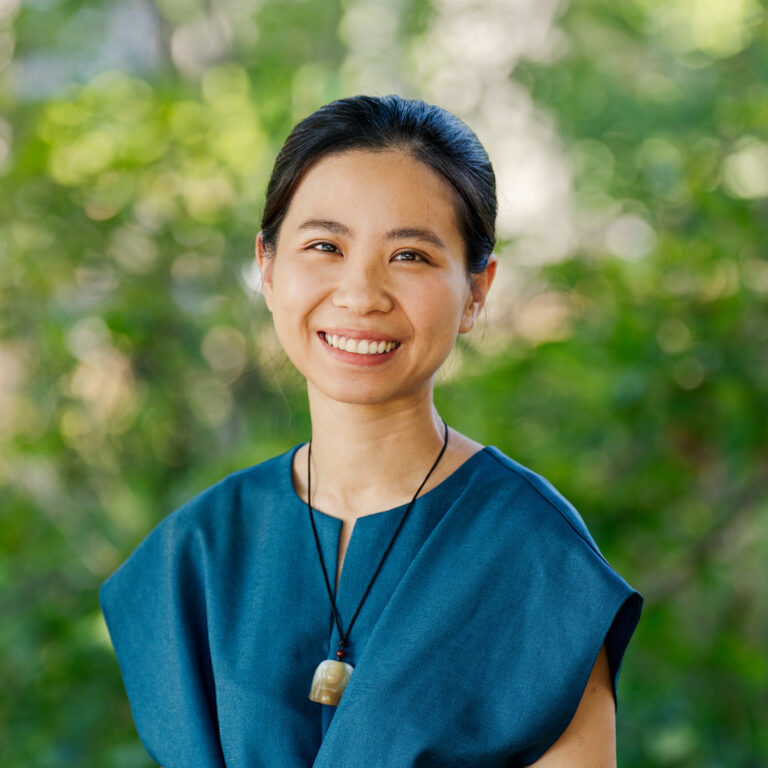
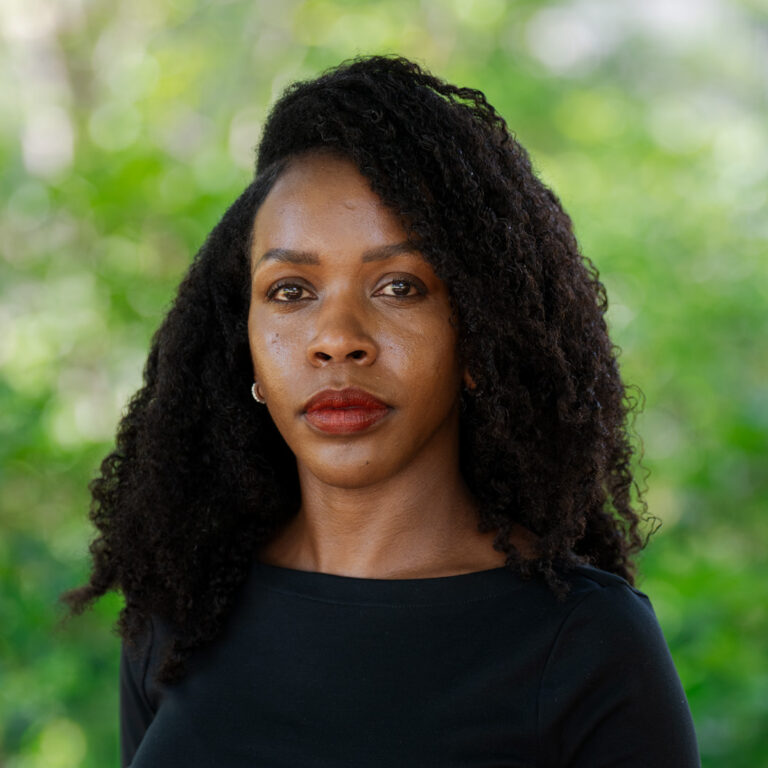
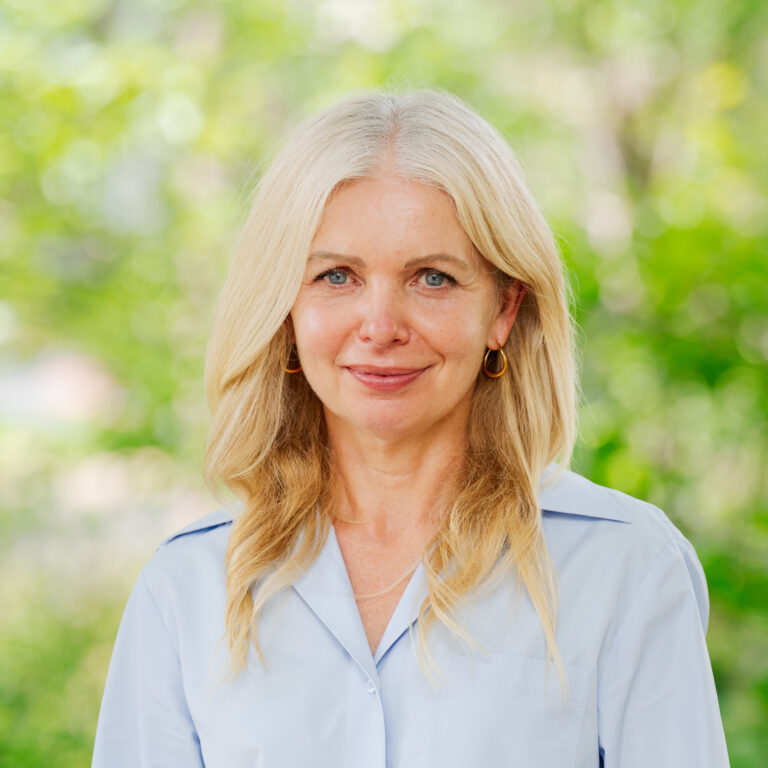
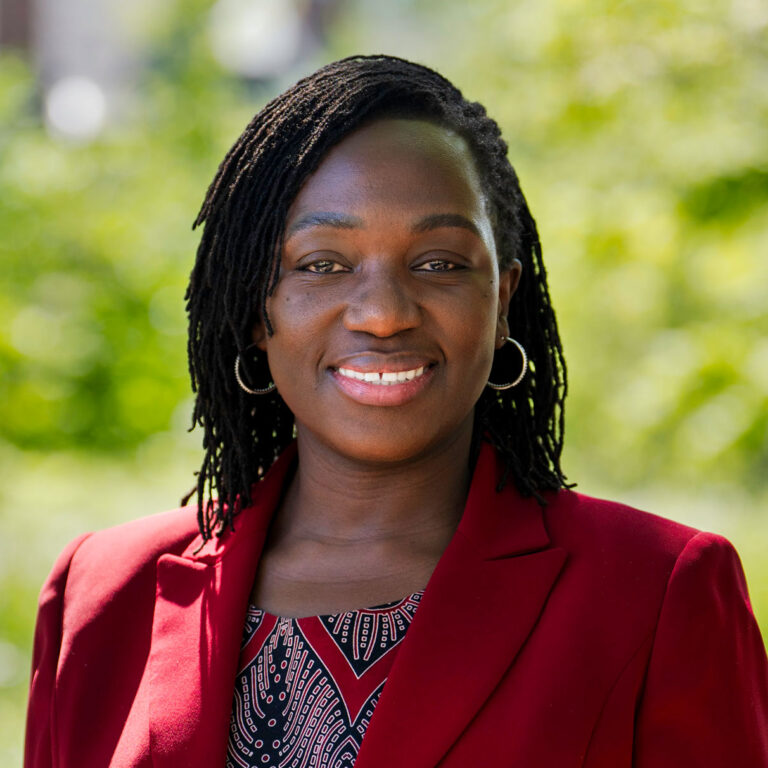
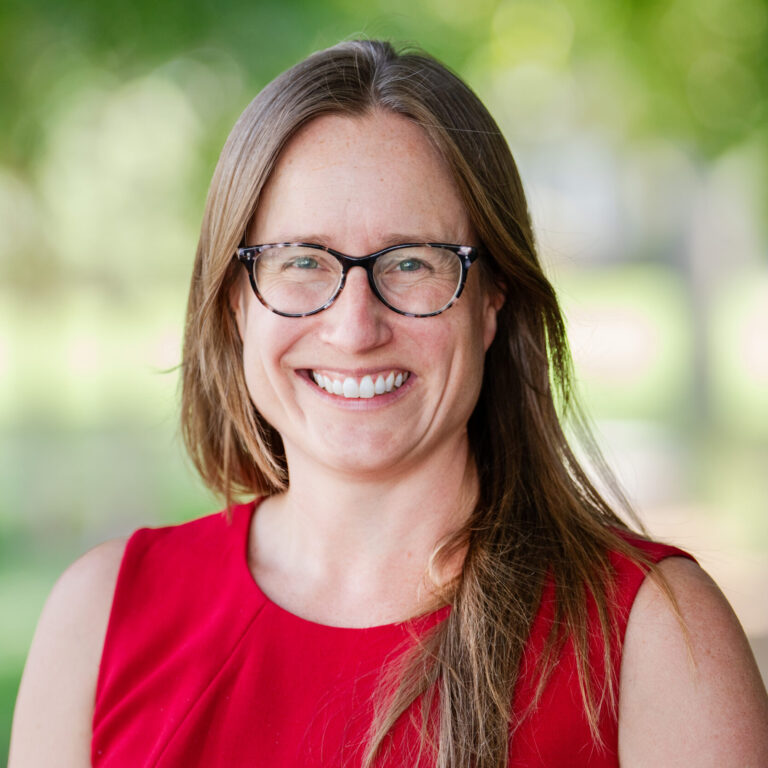
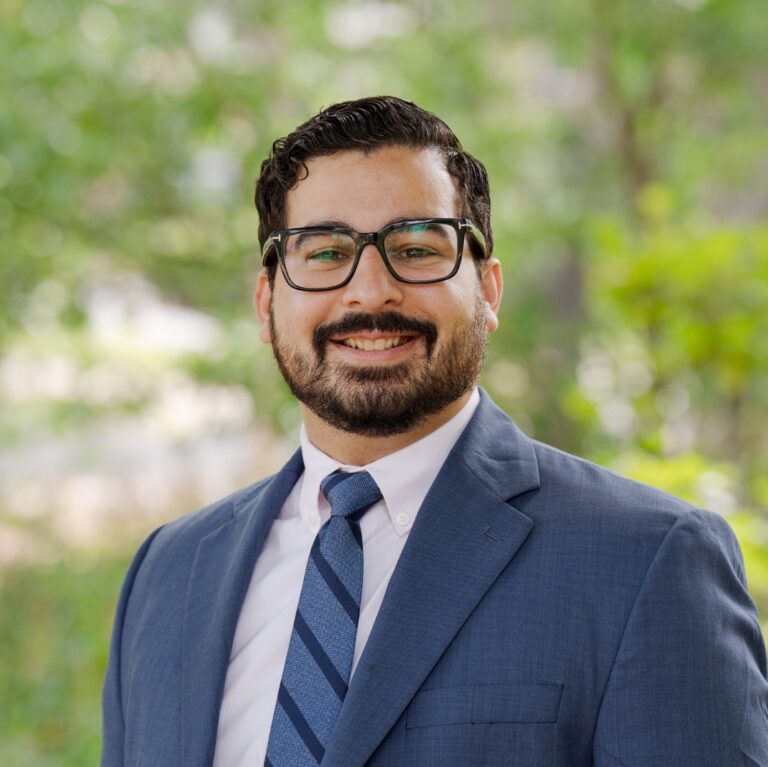
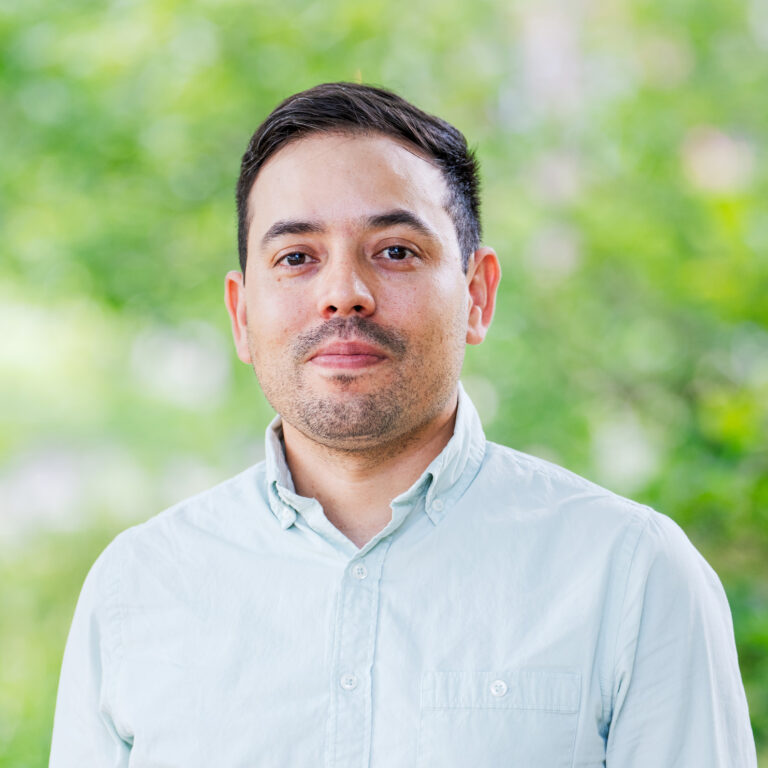
The Andrew M. and Jane M. Bursky School of Public Health at Washington University in St. Louis welcomes 19 new primary and joint faculty members for the 2026-2027 school year.
The Andrew M. and Jane M. Bursky School of Public Health at Washington University in St. Louis welcomes 19 new primary and joint faculty members for the 2026-2027 school year. The new faculty include the school's inaugural associate deans for practice and research.
With expertise ranging from environmental epidemiology to food environments to biostatistics, these new faculty bring diverse skills to advancing the school's mission of promoting health and well-being through excellence in interdisciplinary population health science and scholarship, distinction in education and a deep commitment to local and global impact.
Theresa (Tracy) Bastain, MPH, PhD
Professor
Theresa (Tracy) Bastain is an environmental health scientist whose research examines how chemical pollutants and social stressors during and after pregnancy affect maternal and child health. Her work focuses on identifying environmental health disparities and developing strategies to reduce risks for vulnerable populations.
Carrie Breton, ScD
Professor
Carrie Breton is an environmental epidemiologist whose work centers on how early-life environmental exposures impact lifelong health. Her research examines how factors such as air pollution, tobacco smoke, heavy metals and chemical exposures — combined with social and environmental stressors — affect birth outcomes, child growth, and risk for chronic diseases such as obesity and cardiovascular conditions.
Uriyoán Colón-Ramos, MPA, ScD
Associate Professor
Uriyoán Colón-Ramos is a public health nutrition scientist whose work has focused on the root causes of dietary disparities and on strategies that make health-promoting behaviors easier and more accessible. She has worked extensively with communities in Latin America, the Caribbean and the United States.
Andria Eisman, MPH, MS, PhD
Associate Professor
Andria B. Eisman studies how evidence-based practices can be implemented more effectively in youth-serving systems. Her work focuses on adolescent well-being, with an emphasis on substance use prevention, mental health, violence prevention and the systems that support young people in schools and communities.
Yuru Huang, MHS, PhD
Assistant Professor
Yuru Huang studies how food environments and nutrition policies shape population diets and health. Her work seeks to understand how food environments can be measured, how online platforms such as meal delivery apps personalize what individual users see, and how interventions and policies can be designed and evaluated to promote healthier diets.
Whitney Irie, MSW, PhD
Associate Professor
Whitney Irie's work asks how health systems can become more trustworthy, responsive, and accountable to Black women, not by asking Black women to adapt to broken systems, but by redesigning systems around their knowledge, preferences, and lived realities. She brings two staff members with her.
Margaret E. Kruk, MD, MPH
Distinguished Professor of Health Systems and Medicine
Margaret Kruk, a health systems expert, directs the university-wide QuEST Center and the global QuEST Network, a multi-country research consortium that develops evidence to improve health systems. Her research focuses on measuring and improving health system quality, population confidence in care, and the relationship between health system performance and health outcomes.
Jennifer E. Layden, MD, PhD
Associate Dean for Practice, Professor
Jen Layden leads the school's efforts to grow partnerships that bridge the school's academic expertise and scientific discoveries with community-centered needs. An infectious diseases physician and epidemiologist, she began her career in academic medicine before moving into governmental public health leadership roles at the federal, state, and local levels, overseeing nationwide data modernization and outbreak response efforts.
Todd Lewis, MS, PhD
Research Assistant Professor
A lead researcher with the QuEST Network, Todd Lewis studies how health systems perform for the people they are meant to serve. His work focuses on measuring health system quality, population confidence in care, and the ways people experience health services across countries, particularly in primary care.
Yuanyuan Luan, PhD
Assistant Professor
Yuanyuan Luan develops biostatistical methods for analyzing complex, high-dimensional data from wearable devices and other sources where measurement error can distort conclusions. Her work is applied to physical activity, diet, obesity, type 2 diabetes and chronic disease research.
Ryan McDevitt, PhD
Professor
Ryan McDevitt studies how competition, ownership, regulation and financial incentives shape the cost and quality of health care, applying health economics and industrial organization to understand how health care organizations and providers respond to market forces and public policy. He holds a joint appointment with WashU Olin School of Business.
Sean McGrath, PhD
Assistant Professor
Sean McGrath develops statistical methods for drawing more reliable conclusions about cause and effect and for combining evidence across studies and populations. He also applies causal inference and data integration methods to answer substantive questions in public health and biomedical sciences, especially in infectious disease epidemiology and oncology. He holds a joint appointment with Arts & Sciences.
Proscovia Nabunya, MSW, PhD
Associate Professor
Proscovia Nabunya’s global research focuses on HIV prevention, treatment and stigma reduction, mental health within the context of HIV, and family and community-based support systems as protective factors for the well-being of children in low-resource settings. She directs the International Center for Child Health and Development (ICHAD).
Catherine Oldenburg, MPH, ScD
Associate Dean for Research, Professor
In her role as the associate dean for research, Catherine Oldenburg directs the Office of Research Affairs and works to strengthen the school’s research enterprise. Her own research focuses on design, implementation, and analysis of large-scale randomized controlled trials for infectious diseases.
Stephen Salerno, MS, PhD
Assistant Professor
Stephen Salerno develops statistical methods, machine learning tools, and open-source software for prediction, inference, and decision-making in clinical and public health research. His work sits at the intersection of biostatistics, AI, and public health, with a focus on making statistical and artificial intelligence/machine learning methods more accessible, interpretable, and useful for population health.
Natalicio Serrano, MPH, PhD
Assistant Professor
Natalicio Serrano studies how environments, policies, and systems shape opportunities for physical activity and chronic disease prevention. His work focuses on creating equitable and sustainable strategies that support active living, particularly in communities affected by racial and economic segregation, neighborhood development, gentrification, and displacement.
David Spielman, MSc, PhD
Lauren and Lee Fixel Distinguished Professor
David Spielman is an economist who studies how public policy shapes food systems transformation, rural development, and livelihoods, especially in low- and middle-income countries. His work focuses on the economic institutions, market systems, and public investments that influence agricultural productivity growth, food and nutrition security, sustainability, and social inclusion.
Nhial Tutlam, MPH, PhD
Assistant Professor
Nhial Tutlam's research focuses on the impact of trauma from war and conflict on mothers, children and youth, and how such trauma affects their mental health and risk of diseases such as HIV.
Zhang Zhang, MSc, PhD
Assistant Professor
Zhang Zhang, a health economist, studies how technology innovation, health policy, and care delivery can improve outcomes for people with complex health conditions and promote healthy aging. Her work focuses on digital health, health information systems, artificial intelligence, value-based payment, preventive and integrated care, and aging.