
WashU Public Health launches research network to solve urgent health, environmental challenges
Solutions through Planetary Health Research (SPHERE) drives research, solutions to protect the intertwined health of people and the planet
January 9, 2026

FARM Food Futures Forum will address how to transform food systems to support human, planetary health

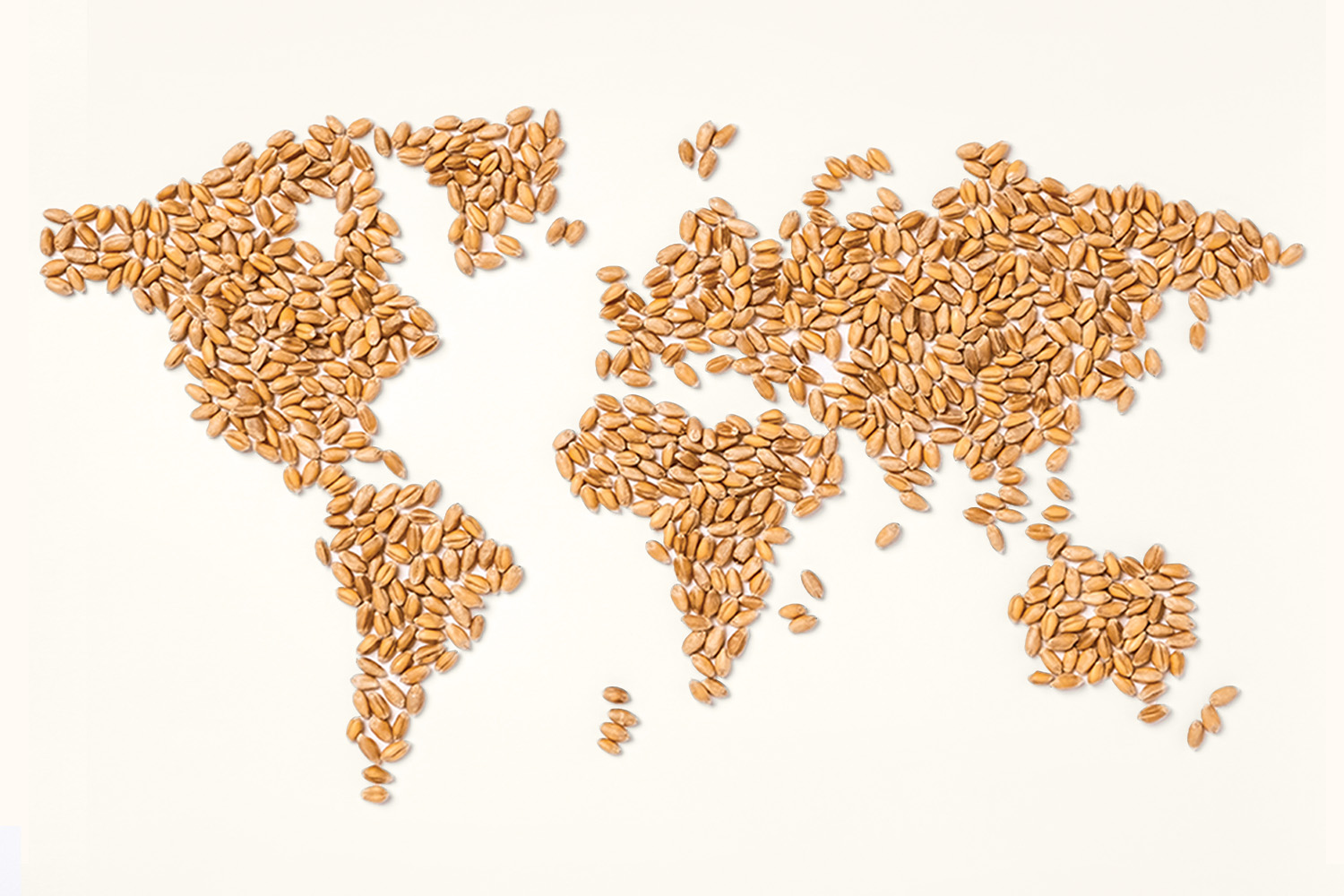
WashU Public Health will bring together leading voices from academia, government, civil society and the private sector on October 9 to engage in critical dialogue on transforming food systems to support human and planetary health. (Credit: Emily Sabens May/Getty Images)
Our ability to feed ourselves is under threat. With the global population projected to exceed 9 billion by 2050, farmers must produce more food on less land. Climate change — which brings rising temperatures, extreme weather, changes to rainfall patterns, and more problems with pests and diseases — makes the task even more challenging. At the same time, our food systems contribute significantly to greenhouse gas emissions, losses in biodiversity and other environmental impacts. Building sustainable food systems that provide accessible and affordable nutritious food to all is essential to a stable future.
On Thursday, October 9, the School of Public Health at Washington University in St. Louis will bring together leading voices from academia, government, civil society and the private sector to engage in critical dialogue on transforming food systems to support human and planetary health for the FARM Food Futures Forum. The forum is the inaugural annual convening of the school’s Food and Agriculture Research Mission (FARM) Innovation Research Network, which aims to promote interdisciplinary research and novel approaches to improving nutrition and health locally, nationally, and globally.
The event will take place from 9 a.m. to 12:30 p.m. CT in the Clark-Fox Forum in Hillman Hall on the Danforth Campus. It is free and open to the public, with participation available in person or via Zoom. Registration is required.
The event will open with remarks by Sandro Galea, MD, DrPH, the Margaret C. Ryan Dean of the School of Public Health, the Eugene S. and Constance Kahn Distinguished Professor in Public Health and the vice provost for interdisciplinary initiatives at Washington University; and Lora L. Iannotti, MA, PhD, the school’s Lauren and Lee Fixel Distinguished Professor, co-director of FARM and director of the E3 Nutrition Lab.
Three panel discussions will follow the opening remarks, each anchored by a keynote speaker who is an internationally recognized leader in his or her field. Agnes Kalibata, PhD, will speak first, on the topic of, “What is Required to Achieve Sustainable Food Systems Transformation?” Kalibata is the founder and chair of the Connect for Impact Advisory Group (C4Impact) in Kigali, Rwanda; past president of the Alliance for a Green Revolution in Africa (AGRA); special envoy of the U.N. secretary-general for the 2021 Food Systems Summit; and the former Rwandan Minister of Agriculture and Animal Resources.
After Kalibata, Jason Clay, PhD, the senior vice president of markets and food and the executive director of the Markets Institute at the World Wildlife Fund, will speak on, “Food System Trends and Issues Arising from Climate Impacts that Pose Challenges for Nutrition and Public Health.” The third keynote will be given by Robert Bertram, PhD, the chief scientist of the Food Security Leadership Council in Washington, D.C., and the former chief scientist for the U.S. Agency for International Development (USAID) Bureau for Resilience and Food Security. Bertram will speak on, “An Imperative for Human and Planetary Health: Research to End Hunger and Improve Nutrition.”
“The idea is to bring together thought leaders not just to share their expertise and experience, but to challenge us to think about things outside of the narrow disciplinary confines that each of us has as scientists or researchers,” said Morven McLean, MSc, PhD, the School of Public Health’s executive director of networks and innovation, a professor of practice, and the director of FARM. “The first keynote takes a broad look at the topic. The second focuses in on one aspect: climate change and its impact on our food system. And the third asks, ‘What can we do?’ WashU’s strength is in research. Where are the opportunities for research to contribute to solving these urgent challenges?”
FARM, established earlier this year, is one of the newest members of St. Louis’ thriving food and agriculture community. The city is a hub of innovation, with researchers and practitioners based at organizations ranging from academic research institutions such as WashU and Saint Louis University, to extension services, agriculture and life science companies of all sizes, and nonprofit community organizations.
“We hope that people who come to the forum are inspired to action across any element or scale of food systems,” Iannotti said. “It’s an incredibly complicated but also very rich area. By bringing together people who are approaching this problem from different perspectives and with different expertise, we hope to facilitate those connections and collaborations that will lead to innovative solutions.”
Solutions through Planetary Health Research (SPHERE) drives research, solutions to protect the intertwined health of people and the planet
January 9, 2026

Applying a formative research approach to her work, Caburnay helps guide master’s students and curriculum redesign
January 9, 2026
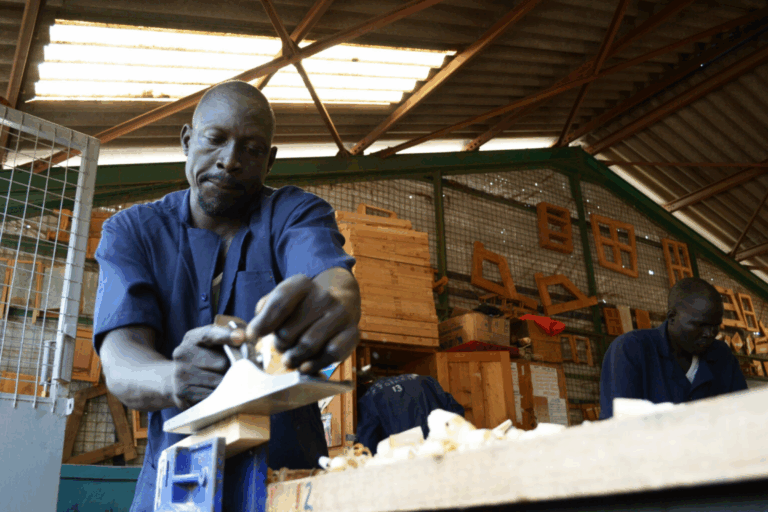
A study of 7,850 households across 16 countries by WashU Public Health's Lindsay Stark and Ilana Seff demonstrates that refugees living outside traditional camps have higher employment rates, increased savings, and reduced reliance on aid than those in camps.
The Source
December 19, 2025