
WashU Public Health launches research network to solve urgent health, environmental challenges
Solutions through Planetary Health Research (SPHERE) drives research, solutions to protect the intertwined health of people and the planet
January 9, 2026

A licensed social worker, Stelson studies how to help the helpers
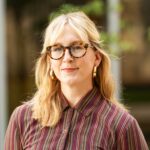
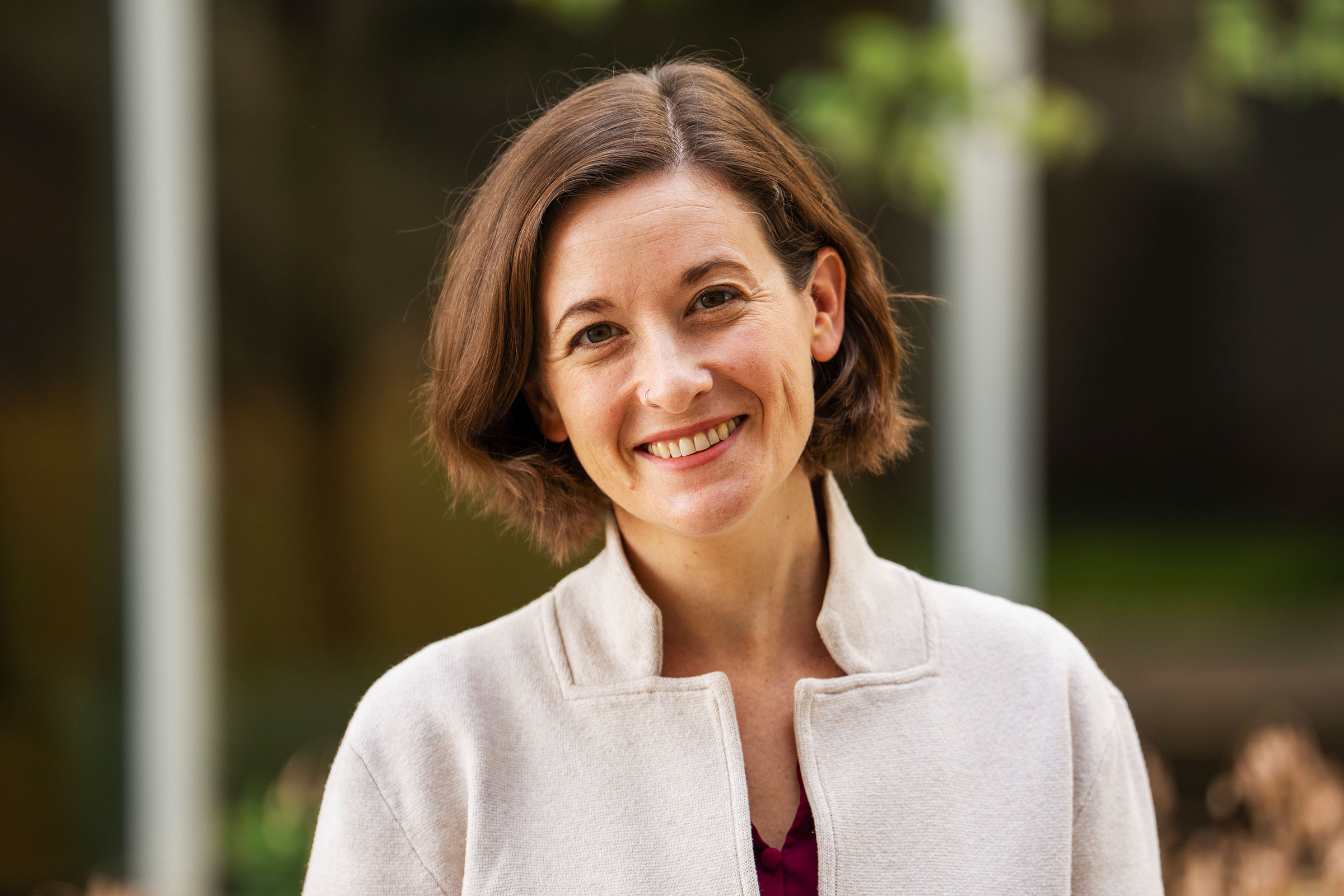
A licensed social worker and social epidemiologist, WashU Public Health’s Beth Stelson examines how secondhand exposure to trauma affects the mental and physical health and well-being of professionals who treat patients who have experienced trauma. (PHOTO: Zachary Linhares)
Social workers, emergency medicine providers, addiction counselors and others who witness people struggling with grief, pain and trauma day after day as part of their jobs can become traumatized themselves. Many experience some of the same symptoms that the people they work with do, such as exhaustion, insomnia, intrusive thoughts, and social withdrawal, which can severely disrupt their lives.
“As a helping professional, we are so often accustomed to prioritizing the needs of our clients, patients and the communities we work with that it can be hard for us to step back and think about our own working conditions and what we need to stay healthy in this line of work,” said Elisabeth (Beth) Stelson, MPH, MSW, PhD, an assistant professor at WashU School of Public Health. “We are conditioned to automatically think about what clients need.”
A licensed social worker and social epidemiologist, Stelson examines how working conditions affect the mental and physical health and well-being of professionals who treat patients who have experienced trauma. When workers experience distress or their health is affected by exposure to trauma, they may leave the field, reducing the resources available to the most vulnerable. Stelson developed the Vicarious Occupational Trauma Exposure (VOTE) Index to identify and quantify how workers are exposed to secondhand trauma in their work environments, as well as the frequency and severity of the exposure.
“We need workers who work with trauma survivors — so what are ways that we can intervene at the organizational level before they start developing and exhibiting symptoms of vicarious trauma?” Stelson asked. “Once we identify the ways workers are exposed through job responsibilities, we can provide them with the infrastructure and support to change work environments to intervene. Then we implement these changes until it’s baked into the organization and can be sustained.”
Stelson has a second line of research focused on supporting people living with long COVID; there are an estimated more than 400 million people around the globe with long COVID. Stelson studies their efforts to remain in the workforce and access care, and to reduce stigma around the disease. After developing long COVID in 2020, Stelson joined the Patient-Led Research Collaborative (PLRC), the first organization to systematically document long COVID.
“Even with my research background, as a patient, I have found it can be very hard to speak up in some research teams and how easily you can be dismissed,” she said. “As somebody who identifies as a community-engaged researcher, it is a helpful reminder of what it’s like to be on the other side of community-academic collaborations and how including community representation in studies is not the same as actually having a voice that is listened to.”
Here, Stelson talks about her research priorities, her work with vicarious trauma, and what drew her to WashU Public Health.
“The central question of my research is: How do we protect and promote the health and well-being of our health-care and social service providers? These are predominantly folks who have lower wages or have middle-income wages that we, and our systems, often take for granted.
“These workers are often putting their own health on the line for these jobs. And with this constant turnover of staffing, not only do we have vacancies that impact care, we also lose this incredible knowledge base.
“My goal is to promote worker well-being. But I also believe that we can improve community health, the health of our patients and clients as well, by investing in our workers. And that arc is not very well-demonstrated. That’s what my research is trying to do: Be the bridge between occupational health research and research around patient-care outcomes.”
“Vicarious trauma is secondhand trauma that is passed on to workers when they interact with individuals who experienced trauma firsthand or encounter information about the trauma. There are multiple ways to measure symptoms of vicarious trauma. In addition to looking at the physical health outcomes of vicarious trauma, I’m also focusing more on measuring exposure that happens through work.
“If we’re thinking about public health in terms of prevention, we need to know where trauma exposure is coming from. Is it coming from co-workers sharing stories of their own traumatized patients? Is it the number of cases they see daily? How do we start to redesign our work environments or our policies so that we can reduce the exposure?”
“What drew me to this school was the emphasis on interdisciplinary research. My research spans occupational health, social work, and epidemiology, so I don’t belong anywhere — it’s like I am everywhere and nowhere. So, here at WashU Public Health, I don’t have to choose. I can just be. I don’t have to position my research to fit a department. I can kind of position myself based upon the work I feel needs to be done and try to bring some of those disparate fields together. Even as we’re growing and building, the goal of this school centers around research problems and research methodologies rather than traditional disciplines. That’s how we solve problems.”
“I’m a workforce person, right? I want to make sure that we’re equipping students with the skills that they need for their jobs, but also tools that will help them remain in the workforce and support their own people.
“We want them to stay in the field and move into leadership positions. So, how do they also build healthy work environments and stay in the public health workforce? I’m hoping to be able to provide that and bring that focus to students as well.”
Solutions through Planetary Health Research (SPHERE) drives research, solutions to protect the intertwined health of people and the planet
January 9, 2026
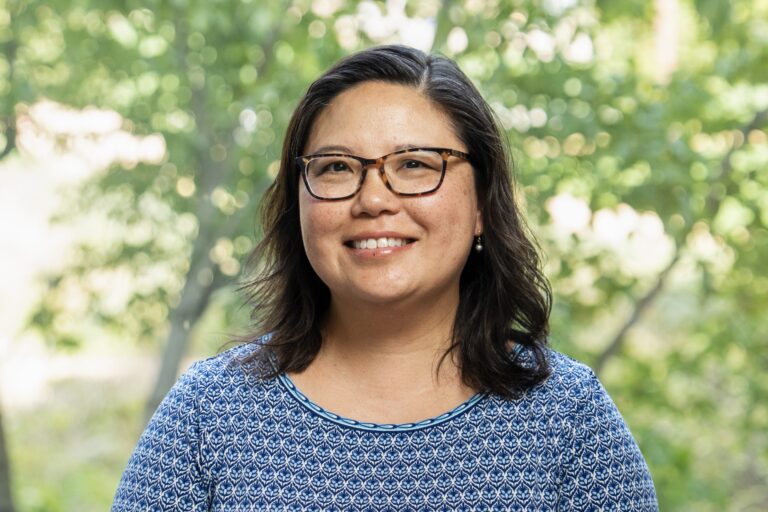
Applying a formative research approach to her work, Caburnay helps guide master’s students and curriculum redesign
January 9, 2026
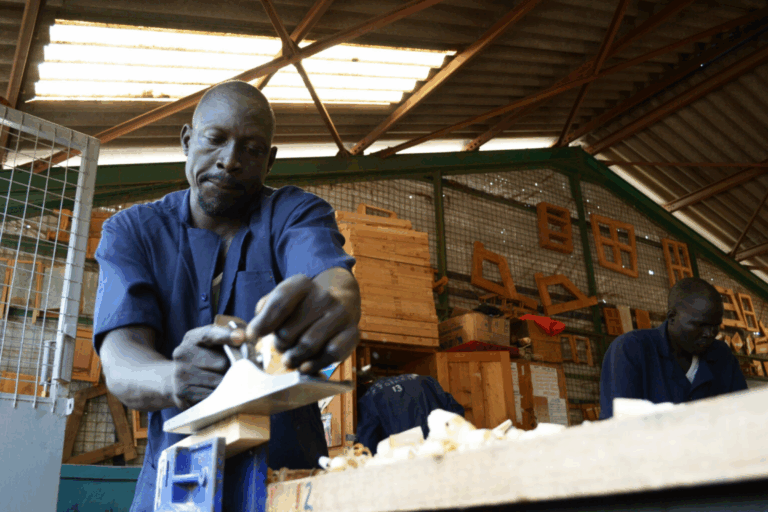
A study of 7,850 households across 16 countries by WashU Public Health's Lindsay Stark and Ilana Seff demonstrates that refugees living outside traditional camps have higher employment rates, increased savings, and reduced reliance on aid than those in camps.
The Source
December 19, 2025