Loading Events
Tuesday
April 14,  2026
Convenings In-Person + Virtual

Building for a New Era of Global Health

Clark-Fox Forum in Hillman Hall, and online

6350 Forsyth Blvd,
St. Louis,
MO 63105

9:00 a.m. - 12:30 p.m. CT

Building for a New Era of Global Health was the inaugural convening of WashU Public Health’s Global Health Futures research network. The symposium brought together leading voices to consider the future for global health amid reduced commitments to health-related development assistance, as well as calls to reform or replace the institutions underpinning global health policy and coordination since the end of World War II. Among the speakers was New York University professor and physician Gbenga Ogedegbe, an expert on health disparities research, and University of North Carolina at Chapel Hill Professor Benjamin Meier, an expert on global health governance and human rights. The gathering explored how new approaches to global health governance may help address pressing issues and how a global health perspective can contribute to promoting population health in our local communities.

Coverage

Program agenda

8:15 a.m. — 9:00 a.m.
Registration & coffee
9:00 a.m. — 9:10 a.m.
Welcome

Speaker

  • Sandro Galea, MD, DrPH, the Margaret C. Ryan Dean of the School of Public Health, the Eugene S. and Constance Kahn Distinguished Professor in Public Health and the vice provost for interdisciplinary initiatives at Washington University
9:10 a.m. — 9:15 a.m.
Opening remarks

Speaker

  • Victor Davila-Roman, MD, professor of medicine, of anesthesiology, and of radiology at WashU Medicine; member of the WashU Public Health secondary faculty; a co-director of the Global Health Futures research network at WashU Public Health
9:15 a.m. — 9:45 a.m.
Keynote: Global Health Governance amid Declining American Leadership

Presenter

  • Benjamin Meier, JD, LLM, PhD, professor of global health policy in the Department of Public Policy and the Department of Health Policy and Management at the University of North Carolina at Chapel Hill
9:45 a.m. — 10:35 a.m.
Panel Discussion: Global Health Governance that Works to Solve Tomorrow’s Health Challenges

Moderator

  • Salma Abdalla, MBBS, MPH, DrPH, assistant professor, co-director of the Global Health Futures research network, WashU Public Health

Panelists

  • Benjamin Meier
  • Proscovia Nabunya, MSW, PhD, associate professor and director of the International Center for Child Health and Development at the Brown School; secondary faculty member at WashU Public Health
  • Rodrigo Reis, MS, PhD, professor at WashU Public Health, director of the People, Health, and Place Unit at the university’s St. Louis Prevention Research Center
  • Kelly Saldaña, executive director of the ISPOR Institute for Healthcare Transformation
10:35 a.m. — 10:50 a.m.
Break
10:50 a.m. — 10:55 a.m.
Introduction of second keynote

Speaker

  • Victor Davila-Roman
10:55 a.m. — 11:25 a.m.
Keynote: Global Lessons for Local Health

Speaker

  • Gbenga Ogedegbe, MD, MPH, director of the Institute for Excellence in Health Equity at NYU Langone Health, and the Dr. Adolph & Margaret Berger Professor of Medicine and Population Health at NYU Grossman School of Medicine
11:25 a.m. — 12:15 p.m.
Panel Discussion: Translating Global Insights for Community Health Impact

Moderator

  • Mark Huffman, MD, MPH, the William Bowen Professor of Medicine at WashU Medicine, a member of the WashU Public Health secondary faculty, and a co-director of WashU Public Health’s Global Health Futures research network

Panelists

  • Diego Abente, MA, MBA, president and CEO, Casa de Salud
  • Margaret Kruk, MD, MPH, Distinguished Professor of Health Systems and Medicine at WashU Medicine, a secondary faculty member at WashU Public Health, and director of Quality Evidence for Health System Transformation (QuEST) Centers and Network
  • Gbenga Ogedegbe
  • Kim Thuy Seelinger, JD, professor of practice and director of the Center for Human Rights, Gender and Migration, WashU Public Health
12:15 p.m. — 12:30 p.m.
Closing remarks

Speaker

  • Victor Davila-Roman, MD, professor of medicine, of anesthesiology, and of radiology at WashU Medicine; member of the WashU Public Health secondary faculty; a co-director of the Global Health Futures research network at WashU Public Health
12:30 p.m. — 1:30 p.m.
Networking lunch

Keynote speakers

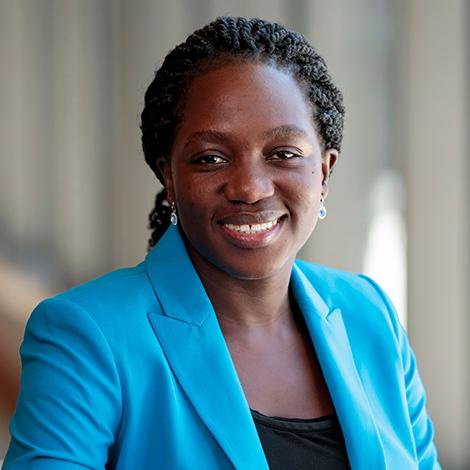
Gbenga Ogedegbe, MD, MPH
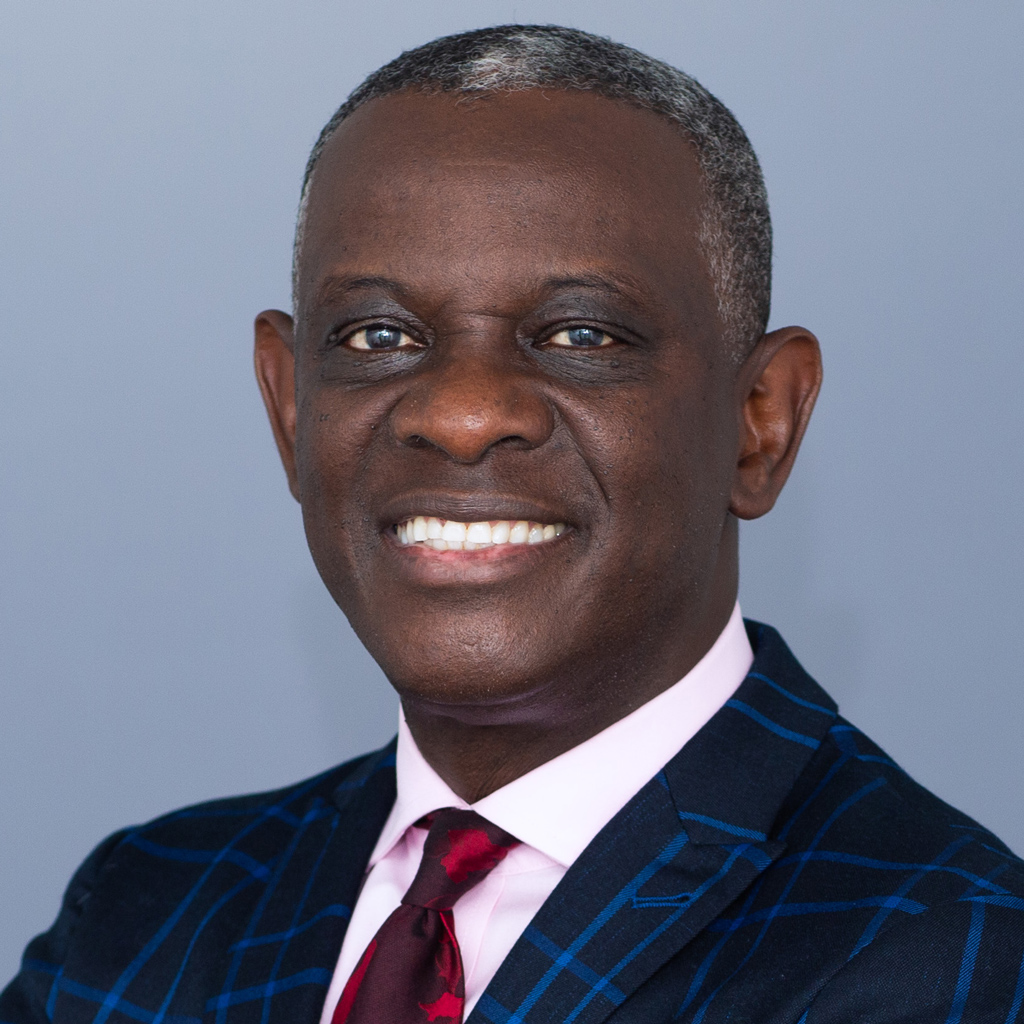
Gbenga Ogedegbe

Gbenga Ogedegbe, MD, MPH, is the inaugural and founding director of the Institute for Excellence in Health Equity at NYU Langone Health. He is the Dr. Adolph & Margaret Berger Professor of Medicine and Population Health at NYU Grossman School of Medicine. He is a leading NIH-funded scientist in health equity research. He also has led numerous NIH-funded studies for cardiovascular disease risk reduction with a focus on developing and evaluating clinic-community linkage models of care to address inequities in health outcomes. Ogedegbe is a member of the National Academy of Medicine and previously served a four-year term on the United States Prevention Services Task Force.


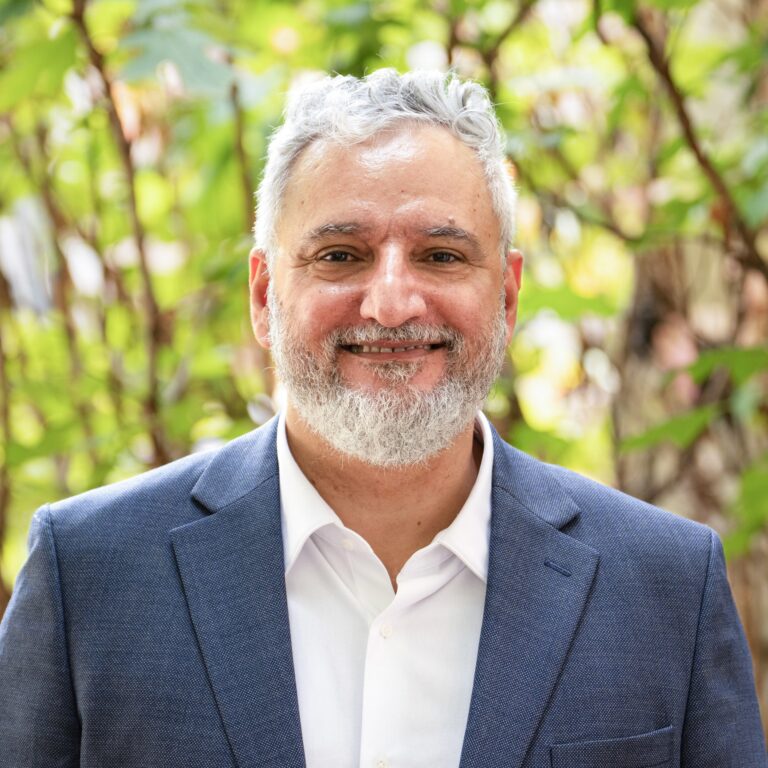
Benjamin Meier, JD, LLM, PhD
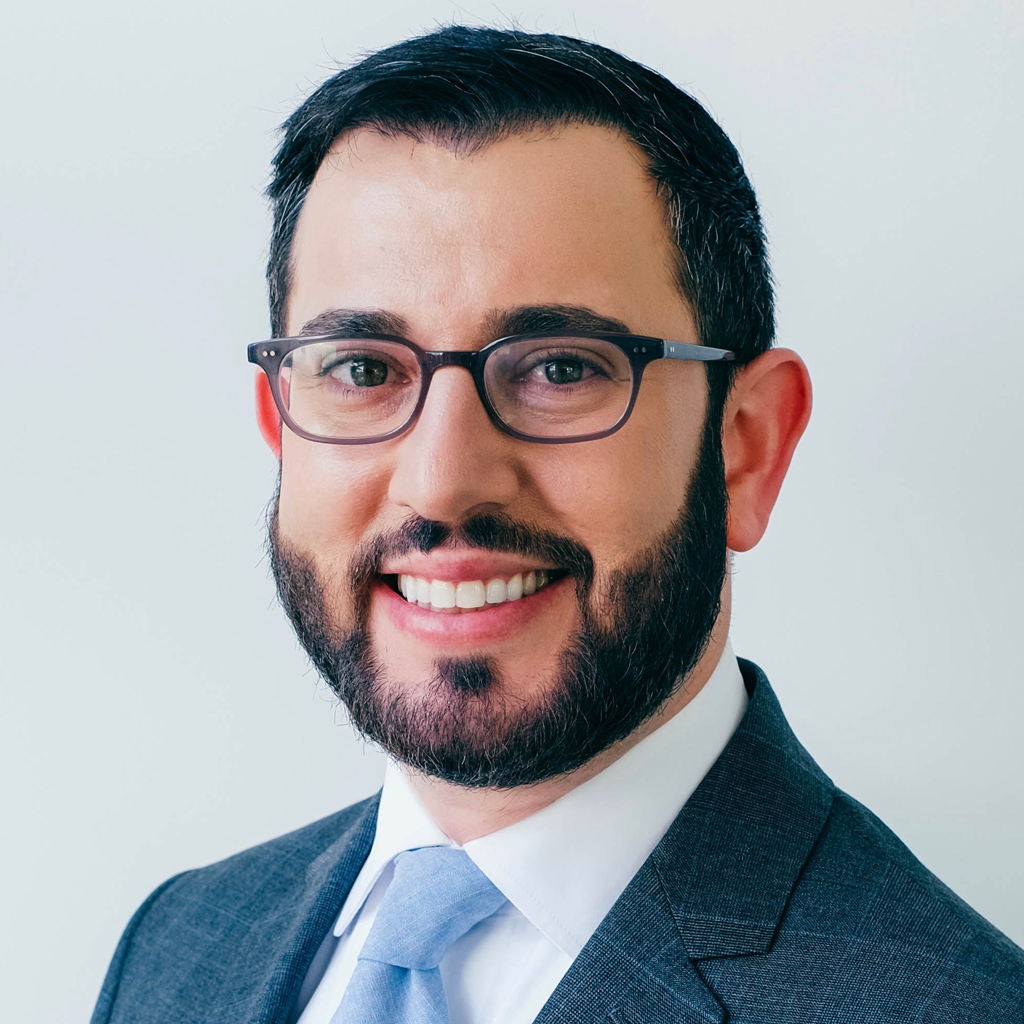
Benjamin Meier, JD, LLM, PhD

Meier is a professor of global health policy in the Department of Public Policy and the Department of Health Policy and Management at the University of North Carolina at Chapel Hill. His interdisciplinary scholarship — bridging global health, international law, and public policy — examines human rights in global governance. Building from his global health governance research, Meier is also a senior scholar at Georgetown Law School’s O’Neill Institute for National and Global Health Law; past chair of the American Public Health Association’s Human Rights Forum; and human rights chair of the Global Health Law Consortium.


Speakers and panelists

Salma Abdalla, MBBS, MPH, DrPH
Moderator
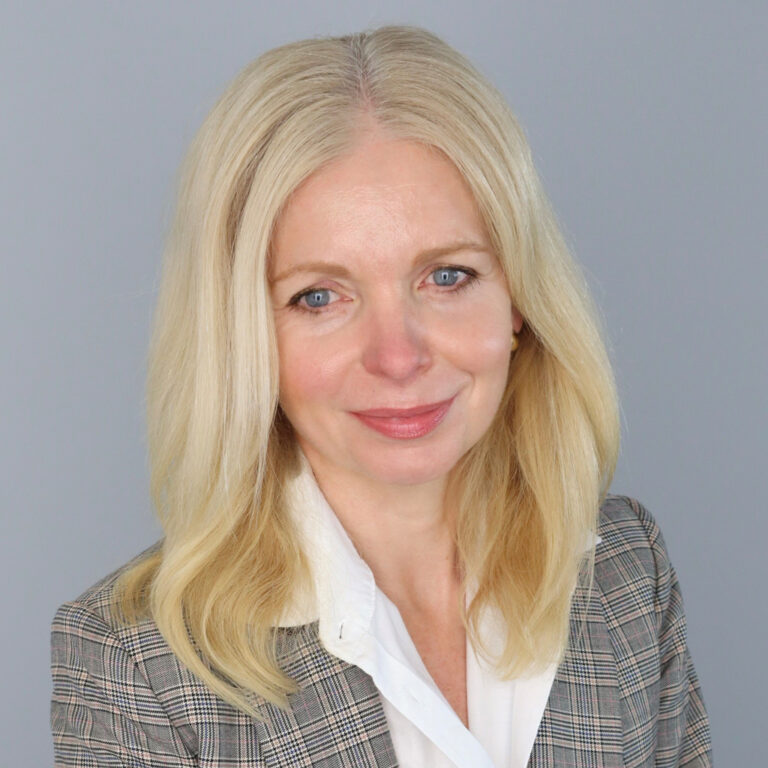
Abdalla is director of the Healthier Futures Lab at WashU Public Health. A physician by training, she studies how social, commercial and economic policies shape population health, with a particular focus on understanding how data can be used to inform decision-making to improve health outcomes, especially for noncommunicable diseases. She also studies the effects of collective traumatic events such as natural disasters on population mental health.
Diego Abente, MA, MBA
Panelist
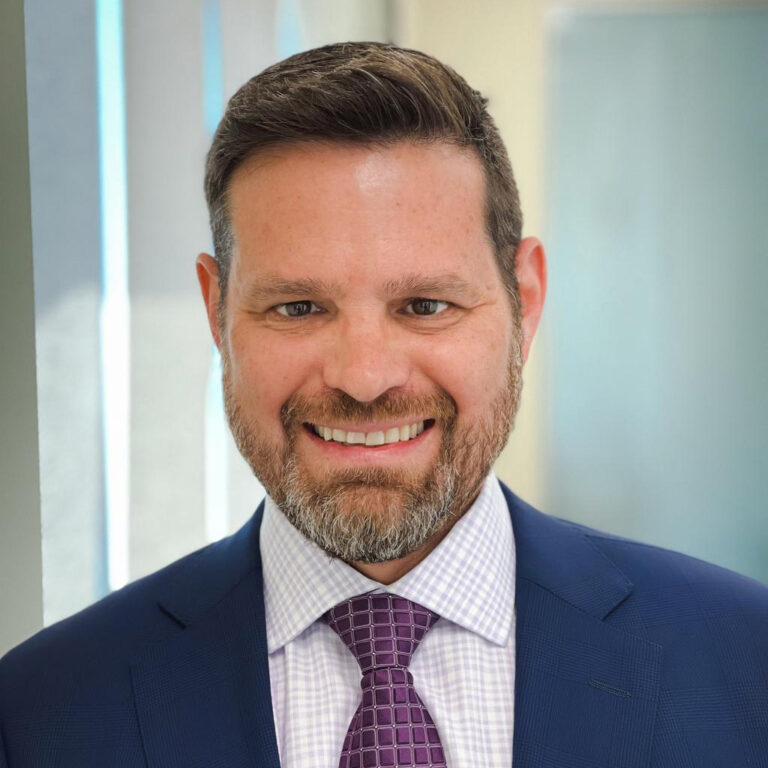
Since 2020, Abente has served as the president and CEO of Casa de Salud, a St. Louis nonprofit that provides clinical and mental health care to the uninsured and under-resourced, with a focus on immigrant and refugee communities. A native of Paraguay who immigrated to the United States as a child, Diego also has served as vice president of economic development for the International Institute of St. Louis and president of its Community Development Corporation. There, he helped immigrant entrepreneurs access credit and navigate the regional business landscape.
Victor Davila-Roman, MD
Speaker
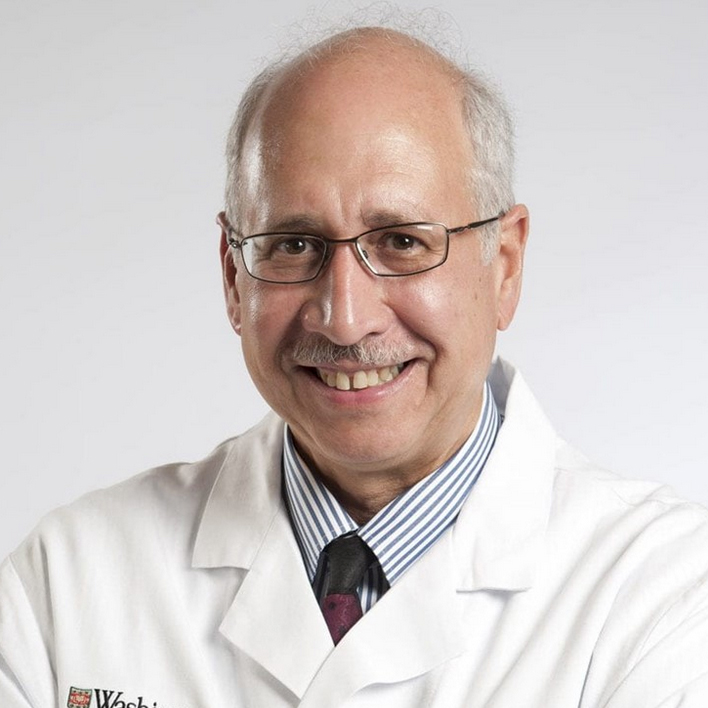
Davila-Roman is a cardiologist and a professor of medicine, of anesthesiology, and of radiology at WashU Medicine, and a secondary faculty member and co-director of the Global Health Futures research network at WashU Public Health. He uses implementation science frameworks to improve health systems and heart health, with a focus on hypertension, heart failure and how conditions such as diabetes, obesity, pregnancy and HIV infection affect heart health. He has major research projects in seven African countries, Peru and the United States.
Mark Huffman, MD, MPH
Moderator
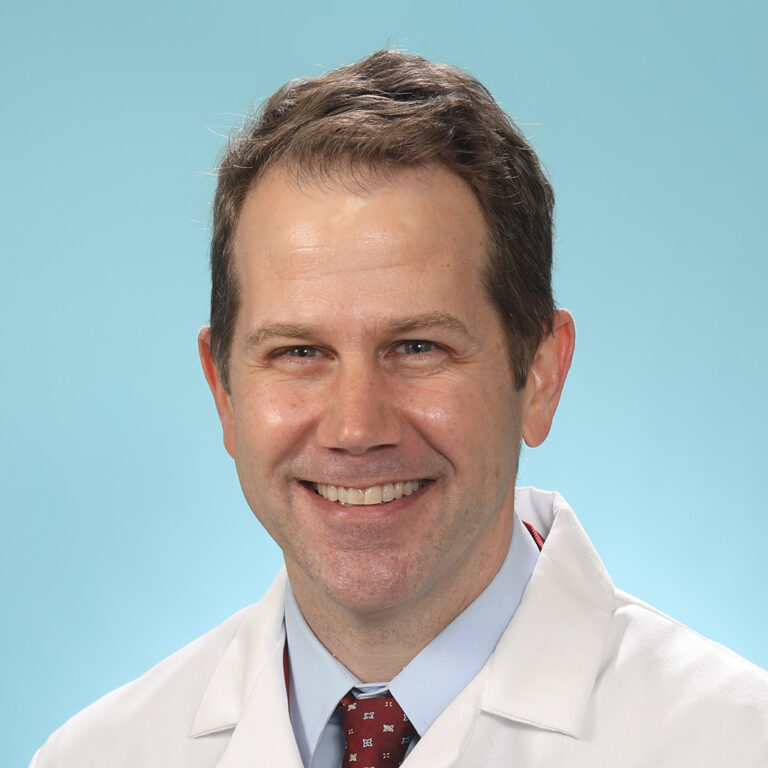
Huffman is the William Bowen Endowed Professor of Medicine at WashU Medicine, a secondary faculty member at WashU Public Health, and a co-director of the Global Health Futures research network at WashU Public Health. He is a practicing cardiologist, researcher, and educator with more than 15 years of experience in global cardiovascular disease epidemiology, dissemination and implementation science, clinical trials, and health policy research and training. His research seeks to improve global cardiovascular health and health care in low- and middle-income countries and to bring lessons learned back to the United States.
Margaret Kruk, MD, MPH
Panelist
The Distinguished Professor of Health Systems and Medicine at WashU Medicine, Kruk studies how health systems can improve health and generate trust across countries. Working with colleagues in Africa, India, South America, and Europe, she develops novel measures of health system quality and studies the effects of quality on population confidence in health care and health outcomes. Her team uses implementation science and econometric methods to design and evaluate large-scale health system reforms. Kruk also is director of the QuEST Centers and Network, a multi-country research consortium; and a secondary member of the WashU Public Health faculty.
Proscovia Nabunya, MSW, PhD
Panelist
Nabunya is an associate professor and director of the International Center for Child Health and Development, both at the Brown School. She is a secondary faculty member at WashU Public Health. Her research focuses on HIV prevention and stigma-reduction interventions, mental health within the context of HIV, and family and community-based support systems as protective factors for the development and well-being of children and families in low-resource settings. She has research expertise in poverty-reduction strategies that utilize asset-based interventions and their impact on children and families’ social, economic and health well-being in HIV-impacted communities in sub-Saharan Africa.
Rodrigo Reis, MS, PhD
Panelist
A professor in the School of Public Health at Washington University, where he is affiliated with the People, Health & Place Research Unit and the Prevention Research Center, Reis focuses his research on active living, urban health, and planetary health. More specifically, he researches complex, place-based interventions — such as housing, transportation, and urban design — using mixed methods, implementation science, spatial analysis, and community-based system dynamics. He has contributed to global initiatives, including the Lancet Physical Activity Series and the International Physical Activity and Environment Network. He is also co-editor of the Journal of Physical Activity and Health.
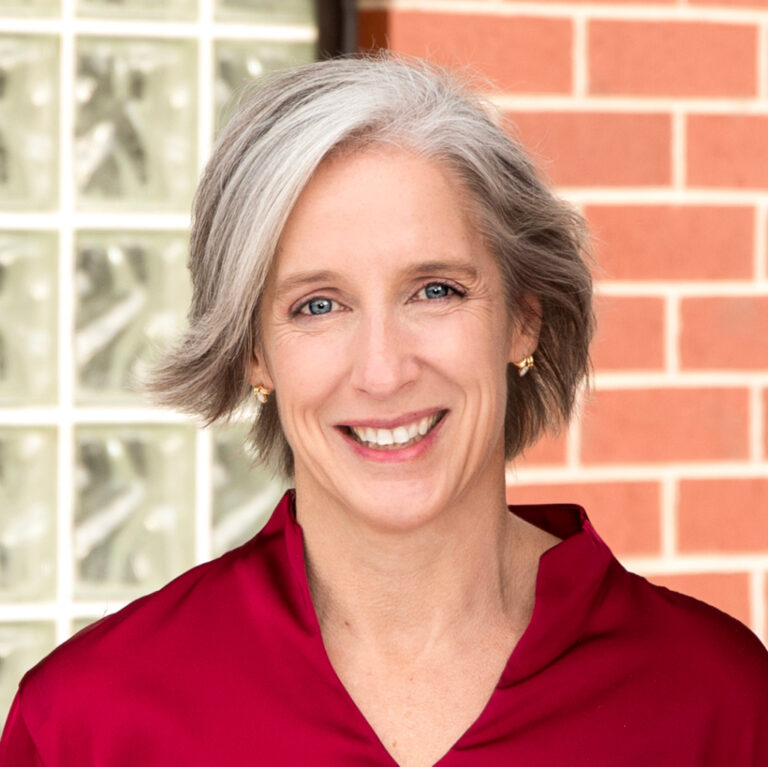
Kelly Saldaña
Panelist
Kelly Saldaña is the Executive Director of the ISPOR Institute for Healthcare Transformation, which enhances the relevance, use, and impact of health economics and outcomes research (HEOR) to improve healthcare decision-making globally. Ms. Saldaña has spent her career shaping health systems and public health policy across international development, government, and private sectors. Most recently she was vice president of global health at Abt Global. Previously she had a 19-year career at the United States Agency for International Development (USAID), culminating as director of USAID’s Office of Health Systems, managing $1 billion portfolio dedicated to advancing primary care, equity, and health system resilience.
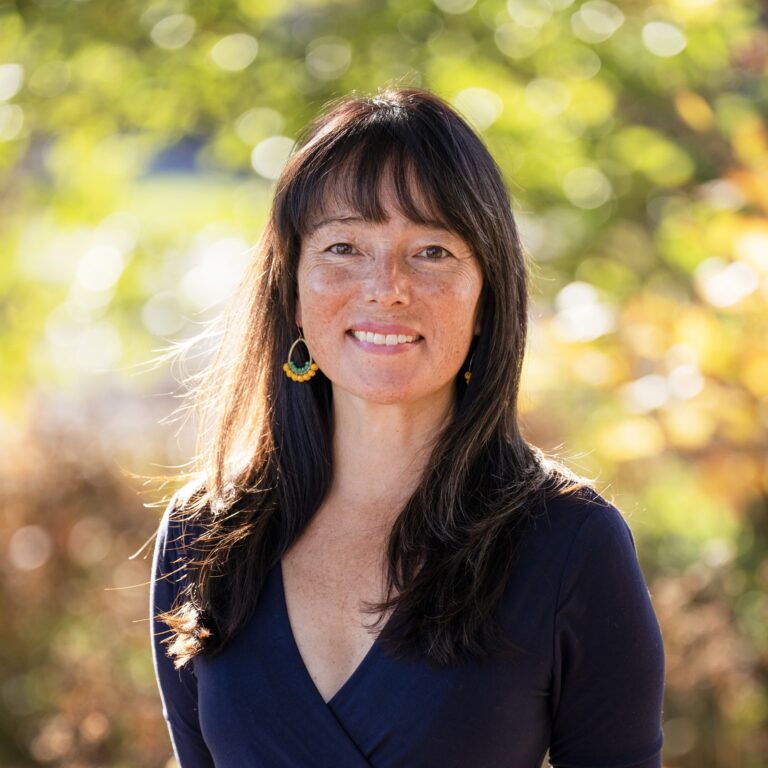
Kim Thuy Seelinger, JD
Panelist
Seelinger, a professor of practice at WashU Public Health, is an expert on gender-based violence in armed conflict and forced displacement, focusing on survivors’ needs for protection and accountability and strengthening the support and legal systems they encounter. She develops survivor-centered approaches in Africa, Europe and the Americas. Previously, she worked for the International Criminal Court in The Hague. After co-drafting the Office of the Prosecutor’s Policy on Gender-based Crimes and Policy on Children in 2023, she was named senior coordinator on gender-based crimes and crimes against and affecting children. She also was a member of the U.N. High Commissioner for Refugees’ Advisory Group on Gender, Forced Displacement, and Protection.