
Loading Events
Tuesday
March 17,  2026
Convenings In-Person + Virtual

Better Ways of Knowing: To Improve Population Health

Clark-Fox Forum in Hillman Hall, and online

6350 Forsyth Blvd,
St. Louis,
MO 63105

4:00 p.m. - 5:30 p.m. CT

For a recording of this event, see here.

To read a story that previewed this event, see here.

Better Ways of Knowing is a multiyear initiative led by the Healthier Futures Lab at WashU School of Public Health, in collaboration with the Alliance for Health Policy and Systems Research. The initiative’s aim is to rethink how public health knowledge is generated, communicated, and translated into action. The project, funded by the Robert Wood Johnson Foundation, brings together scholars, policymakers, community leaders, and practitioners to examine the systems that shape health science. Together, they explore how to produce evidence that is rigorous, timely, and consequential for improving population health and advancing health equity.

The focus of the initiative’s inaugural convening March 17, 2026, was “Asking Better Questions to Improve the Health of Populations.” Following two days of meetings with a small group of thought leaders, the convening culminated in a public-facing panel discussion at WashU and online.

Moderators

Sandro Galea, MD, DrPH
Margaret C. Ryan Dean of Public Health, Eugene S. and Constance Kahn Distinguished Professor in Public Health, Vice Provost for Interdisciplinary Initiatives
The inaugural dean of WashU School of Public Health, Galea is one of the most cited social scientists in the world. His writing and work are featured regularly in national and global public media. A native of Malta, he has served as a field physician for Doctors Without Borders and also has held academic and leadership positions at Boston University, Columbia University, University of Michigan, and the New York Academy of Medicine.
Salma Abdalla, MBBS, MPH, DrPH
Assistant Professor, WashU Public Health
Abdalla is director of the Healthier Futures Lab at WashU Public Health. A physician by training, she studies how social, commercial and economic policies shape population health, with a particular focus on understanding how data can be used to inform decision-making to improve health outcomes, especially for noncommunicable diseases. She also studies the effects of collective traumatic events such as natural disasters on population mental health.

Panelists

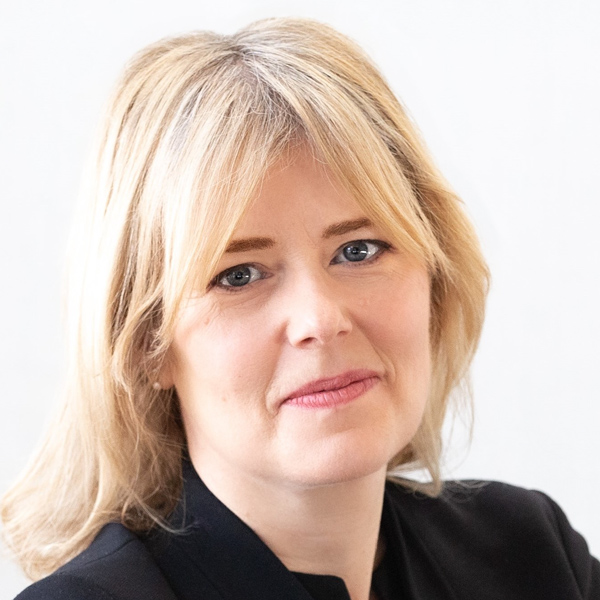
Emily Alice Barman, MA, PhD
Professor of Sociology, Dean of the Graduate School, Loyola University Chicago
Barman's scholarship draws from organizational theory and economic sociology to study the history, organization, and measurement of social value across nonprofit and private sectors. She has published extensively. Her research traces how marketization efforts impact the scope and scale of the organized pursuit of health equity for nascent health entrepreneurs, with attention to these actors' negotiation of the competing demands of capturing economic value and generating social impact.
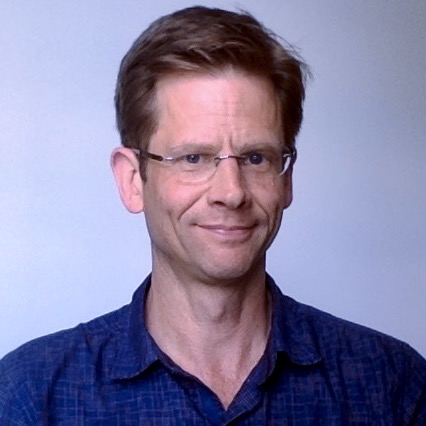
Mark B. Brown, PhD
Professor of Political Science, California State University, Sacramento
Brown is a professor of political science as well as an affiliated faculty member in his university's Black Honors College. He authored "Science in Democracy: Expertise, Institutions, and Representation," and several publications on the politics of expertise, political representation and deliberation, climate change, reparations, and the politics of identity. He teaches courses on modern and contemporary political theory, democratic theory, and the politics of science, technology, and the environment.
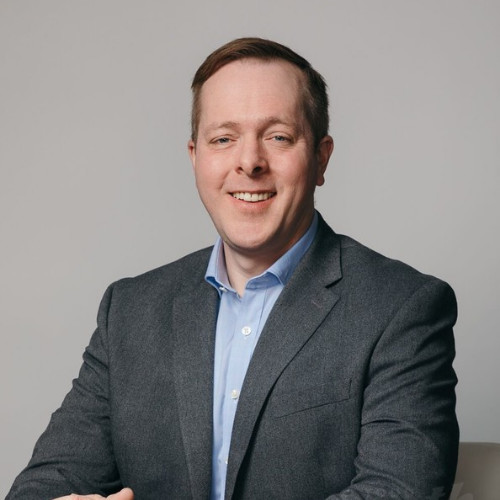
Stuart Buck, PhD, JD
Executive Director, Good Science Project
Now leading a nonpartisan think tank focused on improving science, Buck has played many roles over his career, including as vice president of research at Arnold Ventures, where he led an initiative on improving science. He has advised the GAO for a report on how to improve federally funded research; reviewed research grants on behalf of the U.S. government; and advised comedian John Oliver's show for an episode about scientific reproducibility, and government agencies on rigorous research processes.
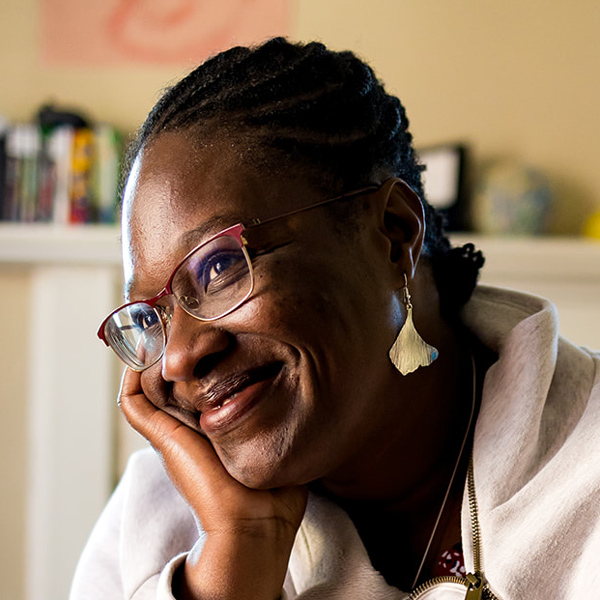
Merlin Chowkwanyun, PhD, MPH
Donald Gemson Associate Professor of Sociomedical Sciences, Columbia University
Co-director of Columbia's Center for the History and Ethics of Public Health, Chowkwanyun's work centers on the history of community health; environmental health regulation; racial inequality; and social movement/activism around health. The author of "All Health Politics is Local: Community Battles for Medical Care and Environmental Health," they also are the principal investigator on the world's largest repository of once-secret documents of industrial poisons.
Whitney Robinson, PhD, MSPH
Associate Professor, Duke University School of Medicine
Trained as an epidemiologist, Robinson researches how to improve care for gynecologic conditions. Noted for her innovative work in measurement, she develops measures that improve understanding in gynecologic health-care delivery. For example, she developed measures of gynecologic bleeding and pain severity from electronic health records data, which led her and others to better evaluate why rates of early hysterectomy are much higher in Black women than white women in the U.S. South.