
Loading Events

AI for Health: Power, Promise, and Public Good

Date

October 29, 2026

Time

— CDT

Location

Clark-Fox Forum, Hillman Hall

Hybrid

Add to calendar:

At WashU and online

Artificial intelligence is rapidly transforming health and healthcare, creating new possibilities while raising important questions about its impact on patients, communities and society.

The 2026 AI for Health Symposium will bring together leaders from academia, industry, medicine, public health and policy to examine how AI is shaping healthcare and health policy. Through keynote presentations and interdisciplinary panel discussions, speakers will explore the opportunities and challenges ahead, as well as how these technologies can be thoughtfully developed and applied.

Hosted by WashU Bursky School of Public Health and AI for Health Institute at McKelvey School of Engineering, the symposium will bring together perspectives from across disciplines to explore the power, promise and public good of AI in health.

Join us for the conversation.

Program agenda

8:15 a.m. — 9:00 a.m.
Registration & coffee
9:00 a.m. — 9:15 a.m.
Opening remarks
9:15 a.m. — 10:15 a.m.
Keynote #1

Speaker

  • Isaac Galatzer-Levy, PhD
    Research Scientist, Google DeepMind
10:15 a.m. — 11:10 a.m.
Panel Discussion: AI and Healthcare: Hype and Promise

Moderator

  • Thomas M. Maddox, MD, SM
    Professor, Cardiovascular Division; Director, Clinical Innovation, Department of Medicine; WashU Medicine

Panelists

  • Nathan Jacobs, PhD
    Vice Provost for Artificial Intelligence and Professor of Computer Science, WashU McKelvey School of Engineering
  • Joy Jiang, PhD
    Associate Professor of Surgery, Division of Public Health Sciences, WashU Medicine
  • Thomas Kannampallil, PhD
    Professor of Anesthesiology, Chief Data Scientist, WashU Medicine
  • Xuhai “Orson” Xu, PhD
    Assistant Professor, Columbia; Visiting Faculty Researcher, Google
11:10 a.m. — 11:30 a.m.
Break
11:30 a.m. — 12:25 p.m.
Panel Discussion: Can AI Help Health Policy?

Moderator

  • Yulin Hswen, ScD, MPH
    Distinguished AI Associate Professor, University of Maryland School of Public Health

Panelists

  • Patricia Cavozos-Rehg, PhD
    Professor of Psychiatry, WashU Medicine
  • Jin Huang, PhD
    Irving Louis Horowitz Professor in Social Policy and Co-Director, Center for Social Development, WashU Brown School
  • Timothy McBride, PhD
    Bernard Becker Professor, WashU Bursky School of Public Health
  • Montrece Ransom, JD, MPH
    Executive Director of the Cordell Institute, WashU Law
12:25 p.m. — 12:30 p.m.
Closing remarks
12:30 p.m. — 2:00 p.m.
Lunch & poster session

Keynote speaker

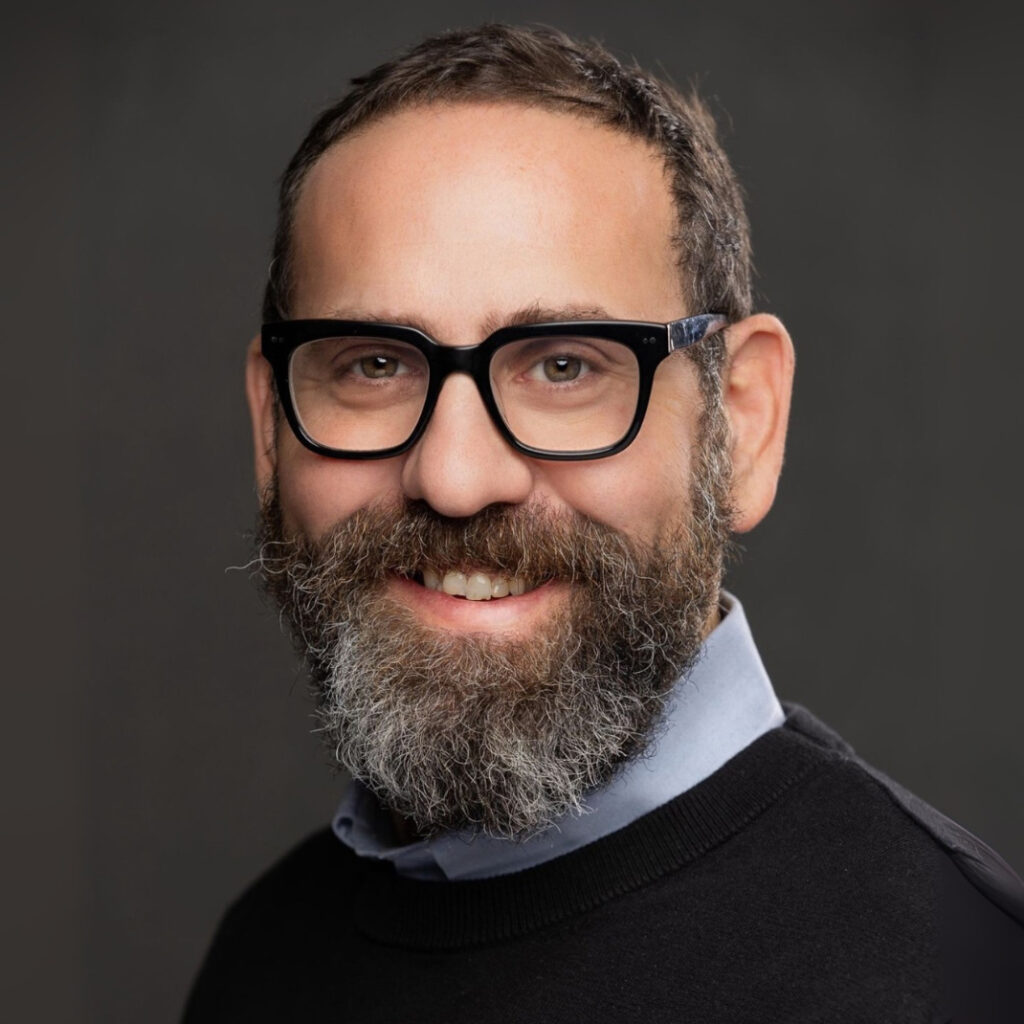
Isaac Galatzer-Levy, PhD

Isaac Galatzer-Levy, PhD

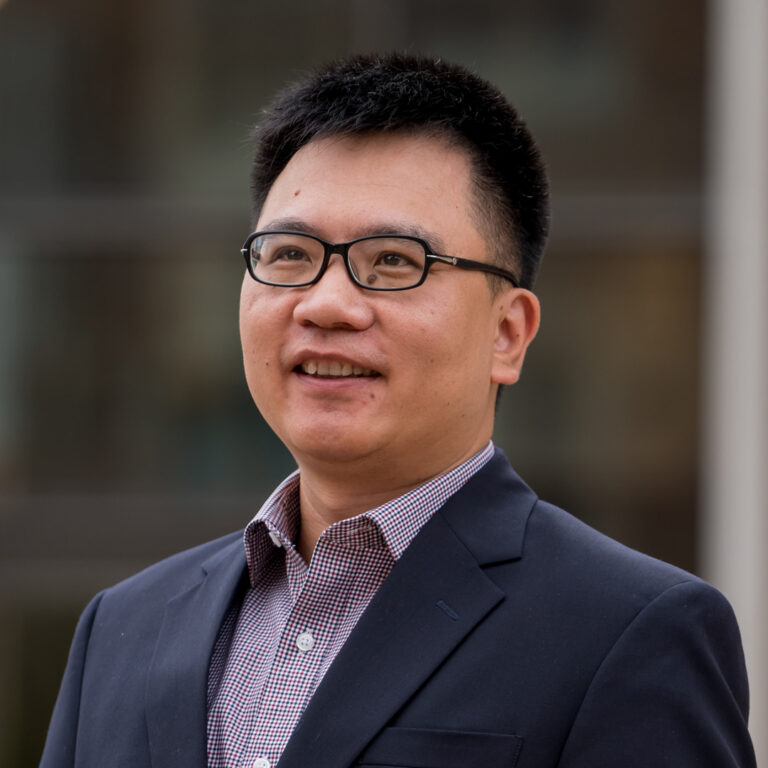
Isaac Galatzer-Levy leads foundational mental health AI research at Google DeepMind where he is responsible to advance the frontiers of AI mental science and practice. Dr. Galatzer-Levy also serves as an adjunct Assistant Professor in Psychiatry at NYU Grossman School of Medicine. He has published over 150 peer reviewed papers and has patented many new inventions in the area of mental health technology.

Moderators and panelists

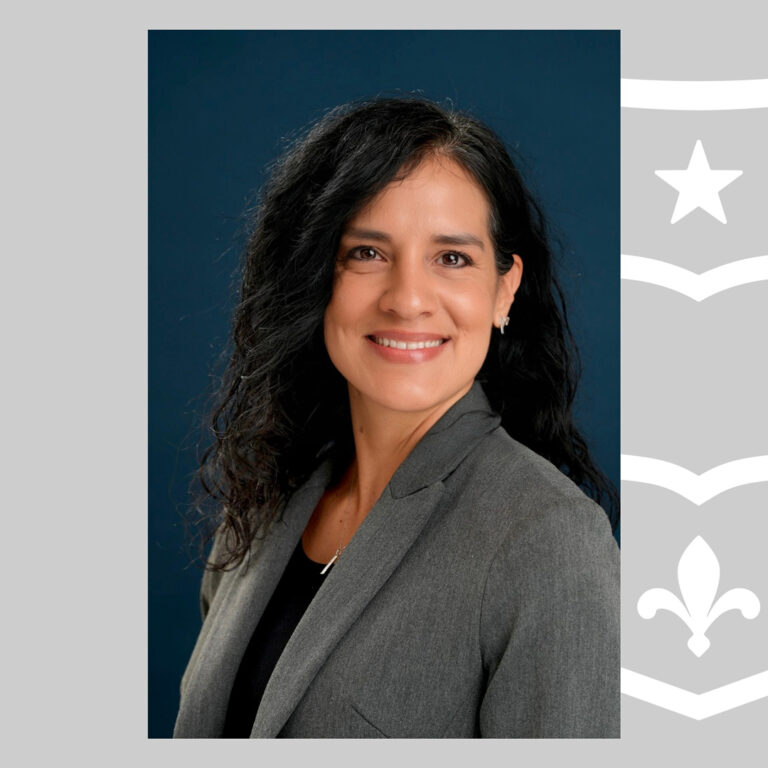
Patricia Cavazos, PhD
Patricia Cavazos-Rehg, PhD
Professor of Psychiatry, WashU Medicine
Dr. Cavazos is a licensed clinical psychologist specializing in the development, evaluation, and implementation of effective substance use disorder treatments. Her NIH-funded research addresses health inequities and leverages technology to improve mental health and substance use care for underserved, high-risk populations. She co-directs several training programs at Washington University School of Medicine, including the Mentored Training Program in Clinical Investigation, the NIDA-funded K12, and the NCATS-funded KL2.

Yulin Hswen, ScD, MPH
Associate Professor, University of Maryland
Yulin Hswen is an Associate Professor at the University of Maryland School of Public Health whose work is at the forefront of AI, computational science, and digital innovation in public health. She is also an Associate Editor at JAMA and JAMA+ AI, where she hosts JAMA+ AI Conversations, engaging leading voices on the rapidly evolving role of AI in health, medicine, and society.
Jin Huang, PhD
Jin Huang, PhD
Irving Louis Horowitz Professor in Social Policy and Co-Director, Center for Social Development, WashU Brown School
Jin Huang is the Irving Louis Horowitz Professor in Social Policy and Co-Director of the Center for Social Development at WashU Brown School. A Fellow of the American Academy of Social Work and Social Welfare, his research focuses on universal asset-building policies, financial capability, and inclusive social policy design. His current work examines how AI transforms welfare state institutions and health coverage systems, developing policy frameworks for the AI era.
Nathan Jacobs, PhD
Nathan Jacobs, PhD
Vice Provost for Artificial Intelligence and Professor of Computer Science, WashU McKelvey School of Engineering
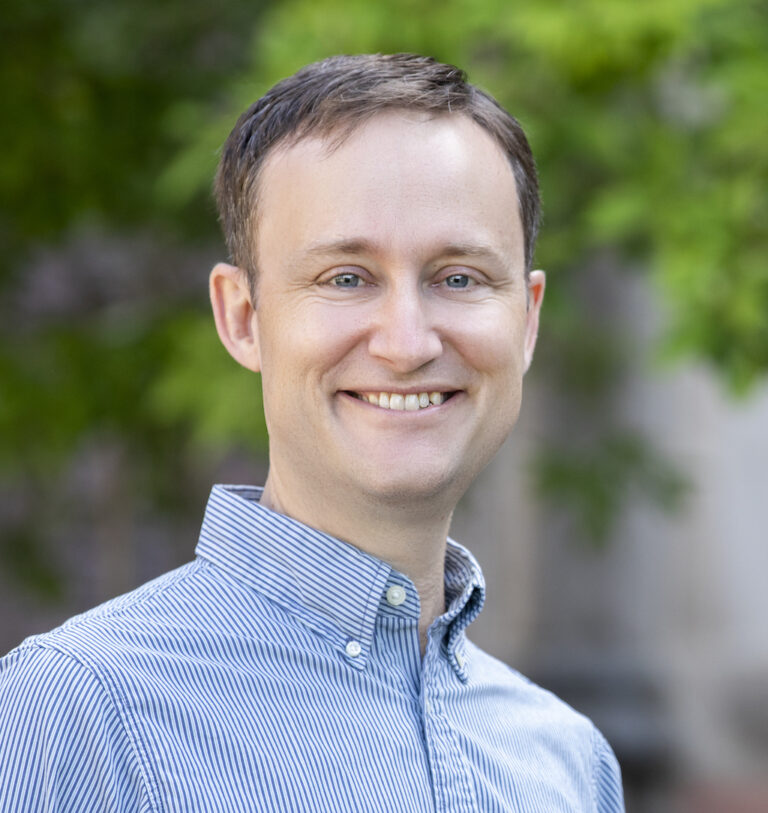
Nathan Jacobs is Vice Provost for Artificial Intelligence and Professor of Computer Science and Engineering at WashU McKelvey School of Engineering. His research spans computer vision and multimodal learning, with early contributions to medical imaging that addressed trustworthiness in deep learning and the use of clinical reports to reduce reliance on manually labeled data. He directs the Multimodal Vision Research Laboratory and received the NSF CAREER Award in 2016.
Joy Jiang, PhD
Joy Jiang, PhD
Associate Professor of Surgery, Division of Public Health Sciences, WashU Medicine
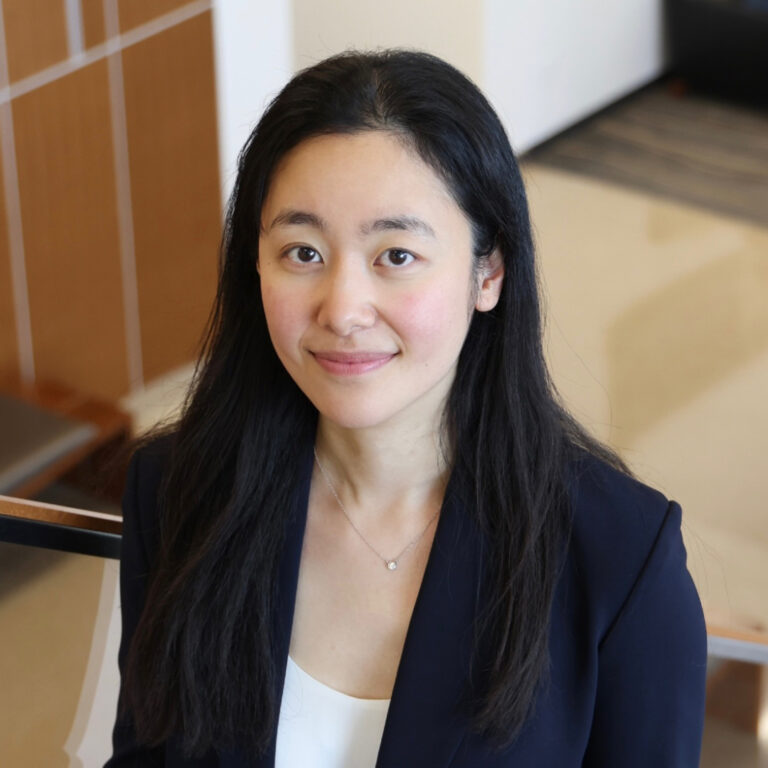
Dr. Jiang is associate professor in the Division of Public Health Sciences at Washington University School of Medicine. Her work involves using AI and longitudinal mammogram images to predict breast cancer risk. She co-founded Prognosia Inc., which earned FDA Breakthrough Device Designation before its acquisition.
Thomas Kannampallil, PhD
Professor of Anesthesiology, Chief Data Scientist, WashU Medicine
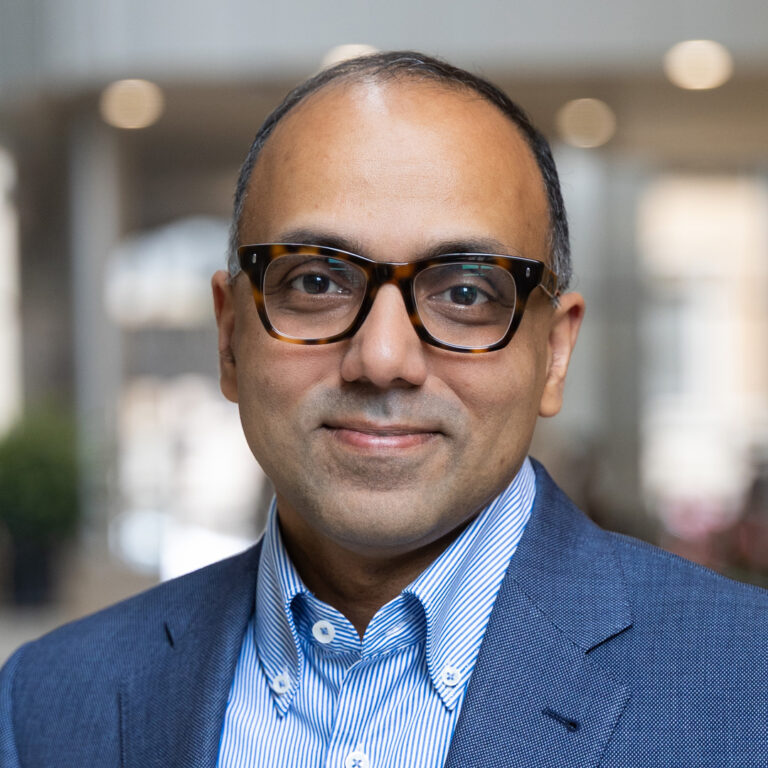
Thomas Kannampallil is a Professor of Anesthesiology, Assistant Dean for Data Science, and Chief Data Scientist for WashU Medicine. His research interests lie at the intersection of computer science, cognitive science, and clinical informatics, focusing on developing and evaluating AI applications for improving human health. Kannampallil is the incoming Editor-in-Chief for the Journal of the American Medical Informatics Association and an elected fellow of the American College of Medical Informatics.
Thomas Maddox, MD, SM
Thomas M. Maddox, MD, SM
Professor, Cardiovascular Division; Director, Clinical Innovation, Department of Medicine; WashU Medicine
Thomas M. Maddox, MD, SM, is a cardiologist, clinical informatician, and physician executive focused on improving care delivery through artificial intelligence, digital transformation, and operational redesign. He is Director of Clinical Innovation and Professor of Medicine at WashU Medicine, where he leads technology-enabled care redesign across WashU and Barnes-Jewish Hospital. Nationally, he serves on the FDA Digital Health Advisory Committee and is Deputy Editor for AI at Circulation.
Timothy McBride, PhD
Bernard Becker Professor, WashU Bursky School of Public Health
Professor McBride is the Bernard Becker Professor at WashU Bursky School of Public Health. He is also Co-director of the Policy and Structural Solutions (PS2) Research Network and co-Director of the Center for Advancing Health Services Policy and Research and Economics Research (CAHSPER).
Montrece McNeill Ransom, JD, MPH
Executive Director, The Cordell Institute for Policy in Medicine and Law, WashU
Montrece currently serves as the Executive Director of the Cordell Institute for Policy in Medicine & Law at WashU, where she leads interdisciplinary scholarship and policy engagement at the intersection of health, law, technology, ethics, and governance. She previously spent nearly two decades at the Centers for Disease Control and Prevention where she helped advance the fields of public health law and legal epidemiology and their application to public health practice. She is a longtime educator and Lead Editor of Public Health Law: Concepts and Case Studies.
Xuhai "Orson" Xu, PhD
Assistant Professor, Columbia; Visiting Faculty Researcher, Google
Xuhai “Orson” Xu is an Assistant Professor of Biomedical Informatics at Columbia University, with an affiliation in Computer Science, and a Visiting Faculty Researcher at Google. He directs Columbia’s SEA Lab, where he develops human-centered AI systems that use everyday sensor data and health records to support health and well-being. His work focuses on responsible, deployable technologies that bring together AI, clinicians, patients, and communities to advance the public good.