Solutions through Planetary Health Research (SPHERE)

Our goal

We advance research and partnerships that lead to transformative solutions for human health and environmental challenges.

Areas of focus

Adaption strategies for community resilience

Climate and environmental changes are putting pressures on communities. We study the physical, social, and environmental determinants of resilience, and how infrastructure, urban design, and social systems can reduce vulnerability and build stronger communities.

Diseases on a changing planet

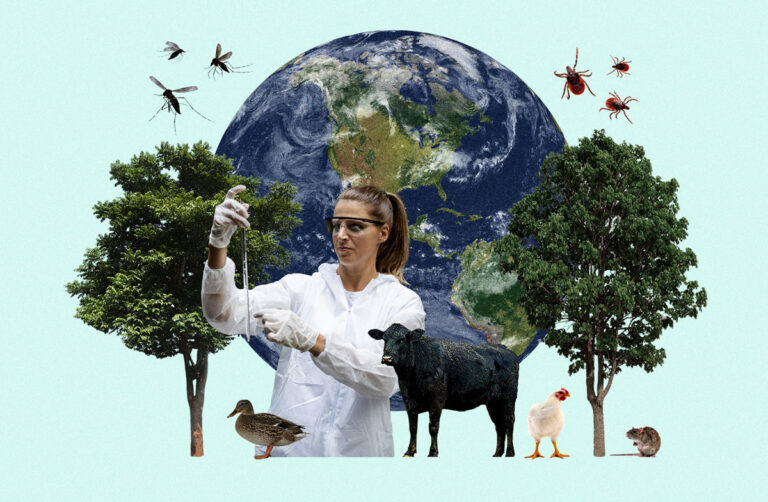
We investigate how climate and environmental change influence infectious and noncommunicable diseases, with the aim of improving health outcomes, prevention approaches, models for disease forecasting, and global readiness.

Mental health, climate change and natural disasters

The consequences of climate change include threats to mental health, as natural disasters become more common and people live in increasingly degraded environments. We aim to research the psychological impacts of environmental hazards; the protective benefits of healthy ecosystems; and nature-based interventions.

Environmental exposures and health

We are advancing understanding of how pollutants affect health and chronic disease risk, with the aim of minimizing exposures, reducing pollution, and improving health outcomes.

Climate and environmental dimensions of food systems

In collaboration with FARM, we are exploring the building of food systems that will support human and animal health; protect biodiversity; improve soil, water, and air; and reduce carbon and land-use impacts.

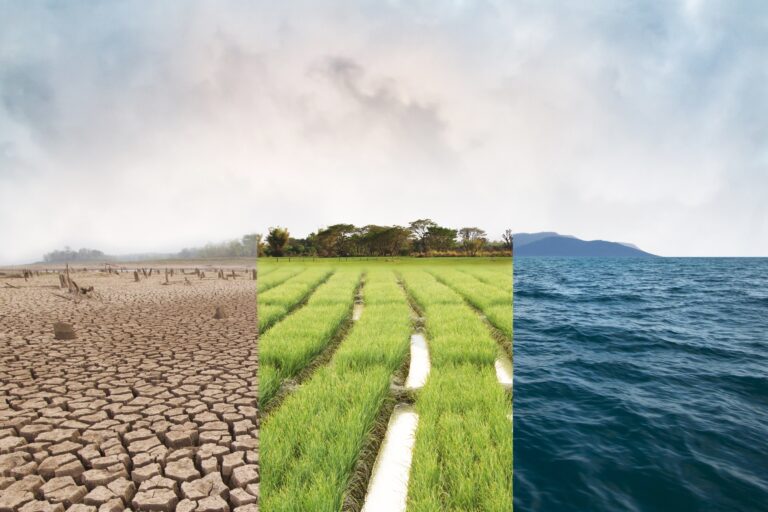
Climate change, compare image with Drought, Green field and Ocean metaphor Nature disaster, World climate and Environment, Ecology system. Getty Images

Implementation science for planetary health

To translate planetary health research into policy, solutions, and behavior change, we are applying implementation science methods through a cross-network collaboration with DISIRN.

Leadership


Jennifer Mandeville, MS

Senior Network Manager

Jen Mandeville is an ecologist with extensive experience leading and supporting interdisciplinary teams dedicated to developing ecological solutions to complex environmental and public health challenges. She most recently served as project coordinator for WashU’s Living Earth Collaborative, managing research initiatives and collaborative projects focused on biodiversity conservation. Before WashU, Jen was the Director of Swarovski Foundation Waterschool North America at the National Great Rivers Research and Education Center, where she led multisector teams in developping programs to empower young people and their communities to take local action on water challenges and advance UN Sustainable Development Goals through tools, resources, and training.


What we do

News & updates

Green leaves

WashU Public Health launches research network to solve urgent health, environmental challenges 

Solutions through Planetary Health Research (SPHERE) drives research, solutions to protect the intertwined health of people and the planet

January 9, 2026

read more

The changing landscape of disease on a warming planet

SPHERE convening to address intertwined issues of emerging diseases, climate change

November 29, 2025

read more