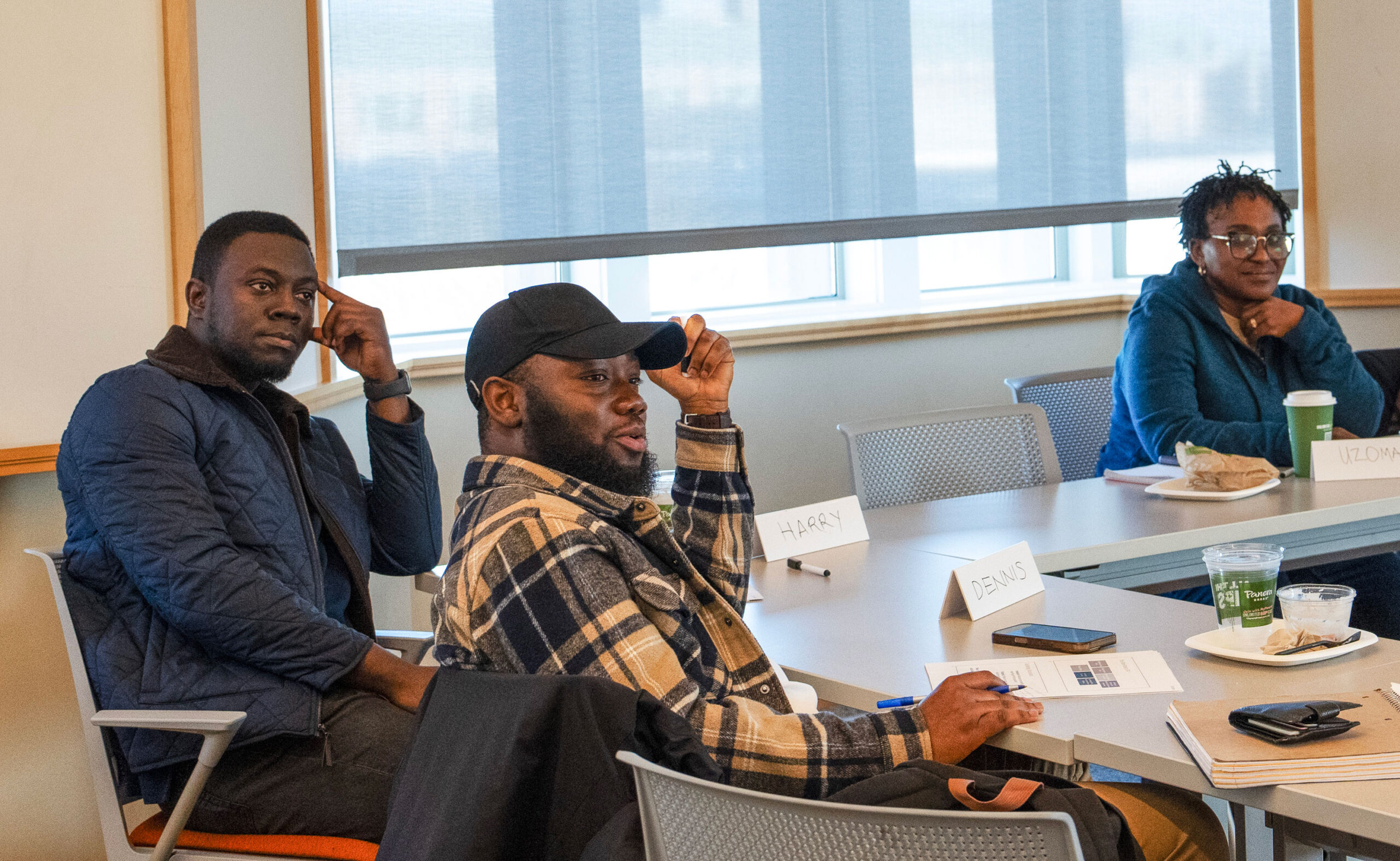
WashU Public Health launches Nurturing Future Teachers
Program initiated to give more students teaching opportunities
January 30, 2026

Starting in clinical psychology and landing in public health, Luke realized the impact of systems on population health
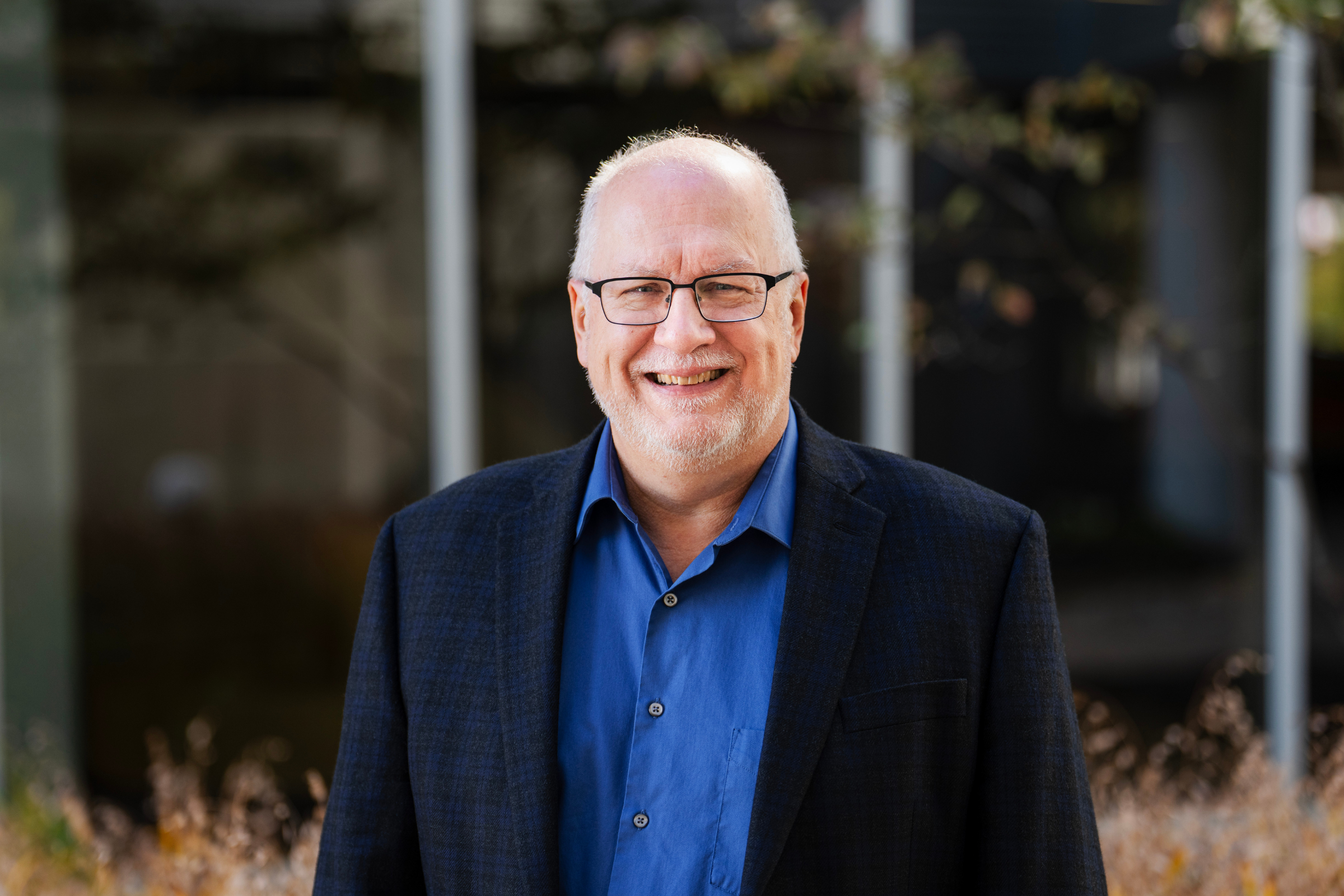
Doug Luke, PhD, the Distinguished Professor in Public Health Systems Science at WashU Public Health, has a research focus on entire systems that shape population health. (Photo: Zachary Linhares/WashU Public Health)
After earning master’s and doctoral degrees in psychology, Doug Luke began training as a clinical psychologist, hoping to help people live healthier, more fulfilling lives. But before long, he began to see that individual issues his clients grappled with were pieces of larger systems that, together, led to poor health.
He shifted to community psychology — widening his focus to promote mental health and community well-being — and that sparked his interest in public health policy, a process he describes as “stepping up levels” to achieve broader impact. Each level moved him farther from the model of treating individuals in crisis and toward shaping the environments where people live, work and make health decisions.
“Policies affect everybody instead of just one person,” said Luke, the Distinguished Professor in Public Health Systems Science at WashU School of Public Health, “They shape the environment. They determine where you can live, where you can build a house, or who gets to purchase products in specific locations or at specific times. By focusing on policies, we can change patterns holistically in a community.”
His research now focuses on entire systems that shape population health. As director of WashU Public Health’s Center for Public Health Systems Science (CPHSS), Luke uses tools including network analysis and computer modeling to understand how health policies function in complex, real-world systems. With Ross Hammond, PhD, also a Distinguished Professor in Public Health Systems Science at WashU Public Health, and other members of CPHSS, he created “Tobacco Town” in 2015, a computer model of 30 large U.S. cities that can simulate the effects of tobacco-control policies on tobacco product consumption and smoking cessation rates. The model can explore, for example, what would happen if Atlanta restricted tobacco sales near schools or how changing locations of tobacco shops in Houston might affect smoking rates.
Another focus of Luke’s work is impact. He has helped shape the field of implementation science, which aims to bring evidence into practice and policy so that it can have an impact on people’s lives. He also helped develop the Translational Science Benefits Model (TSBM), a framework that helps researchers demonstrate the real-world impact of their scientific work. The model identifies 40 benefits of clinical and translational science across clinical, community, economic and policy domains. Since its development in 2017, the TSBM has become a widely used tool for measuring impact. And the model has had an unexpected benefit: It allows Luke to share his work with his 87-year-old mother.
“She always says, ‘Explain your work. What are you doing?'” Luke said. “I’m not going to send her a research paper on network analysis, but I’m able to send her some of this impact work because it’s relatable — it matters to all audiences.”
Here, Luke reflects on how to lean into impact through the lens of systems science.
“Implementation science is the study of how we get better science into the real world. For example, I’m a policy scientist, and it’s frustrating living in Missouri, where the tax on cigarettes is so low compared to places like New York or California. We know in public health that one of the most effective ways to keep kids from starting to smoke is to raise prices. The science is there, but why is that knowledge so unevenly distributed across the United States? That, fundamentally, is an implementation science question: How do we get evidence into the places where it needs to be — in communities, governments, and health-care systems? What a lot of public health people have tried to do is focus on the intervention itself, treating a policy like a drug that will solve a community’s problems if it adopts that policy. It turns out it’s not that simple. It’s not just the intervention itself — it’s everything that goes around it.
“Most of the problems we deal with in public health are what we call ‘wicked problems’ —problems embedded at multiple levels. Take tobacco control: Smoking affects your lungs and causes cancer; tobacco products are extremely profitable; the government regulates tobacco and manages control programs; consumers see ads and decide whether to start smoking; and researchers like myself study intervention effectiveness. All these pieces interact — companies, governments, people, policies, products — making up what we call a complex system. Systems science is the science developed to help us study and change these complex systems. The behavior of the system itself can’t be understood by breaking it into parts.”
“Shortly after I came to WashU in 2008, I was invited to help with the evaluation of the Institute of Clinical and Translational Sciences (ICTS). ICTS directly funds research meant to lead to human benefits, which is called clinical and translational science. This was the federal government realizing there was a lot of basic science done in labs, but the benefits to society of that research weren’t always clear. We asked, ‘Is there a way to think about how the clinical and translational sciences at WashU are leading to broader benefits?’ A lot of people invest in us, and we have an obligation to show that this work matters and there are pathways to impact. In response to this need, we developed the Translational Science Benefits Model (TSBM).”
“The idea is not very complicated: Research should benefit people in hospitals and communities, create economic benefits, and influence policy. In medicine and public health, most of us got into these fields because we wanted to make the world a better place. Yet we’re often trained out of thinking that way. I would read grants asking for an impact statement, and they’d say the impact will be to allow them to write another grant. TSBM allows us to focus on the actual impact on real people in the real world and gives us language for talking about where our work is going to go.”
“I gave a talk asking why implementation science is so hard, why it takes so long for new evidence to benefit the public. I walked through everything about complex systems — they’re hard to understand and hard to change. But at the end, the good news is there’s this thing called systems science, which gives us theories, methods, and language to deal with complex systems. My hope is that we do more training in systems science in grad school, that funders stop viewing this as a weird side story but as a best practice for these kinds of questions. If we want better policies, practices, and interventions, then we need to view those interventions through a systems lens.”
Program initiated to give more students teaching opportunities
January 30, 2026
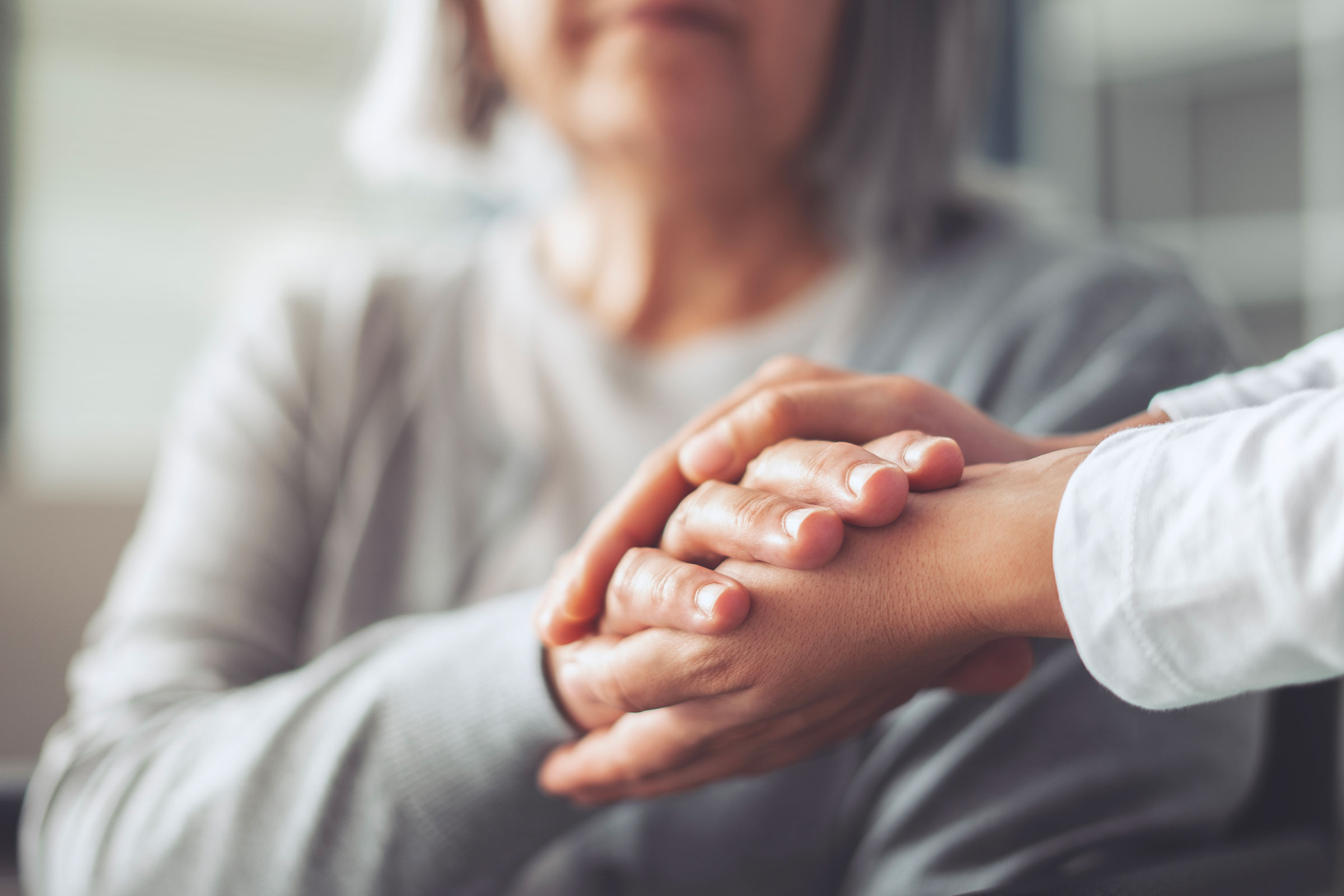
Two new studies, co-authored by WashU Public Health Dean Sandro Galea examine the pressures on families caring for aging relatives. One explores the scale and reach of caregiving; the other, how medical debt increases the risk of housing instability.
The Source
January 30, 2026
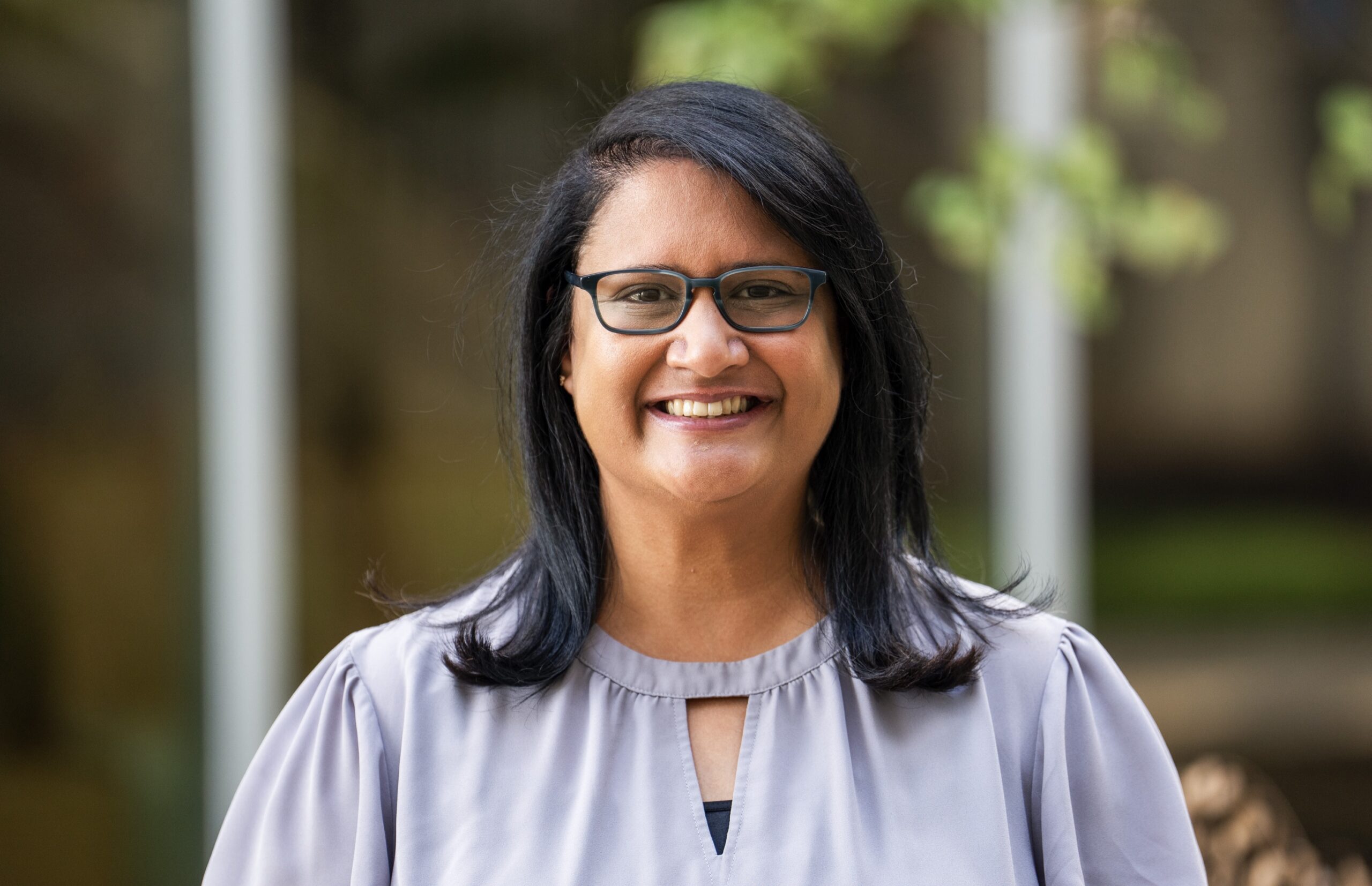
From clinical researcher to teacher to mentor, Maddipati has built her career at the intersection of social work and public health
January 24, 2026