Loading Events
Tuesday
February 10,  2026

Implementation Science & the Public Health Information Ecosystem

Clark-Fox Forum, Hillman Hall
6350 Forsyth Blvd, St. Louis, MO 63105
9:00 am - 12:30 pm
In a world where false and misleading information spreads quickly and trust in institutions is shaky, it’s becoming harder for public health messages to reach people. This gathering will explore how implementation science — the field that studies how to put evidence into practice — can help us communicate more effectively so that accurate, trustworthy health information is able to hold its ground in a crowded information landscape.

At WashU and online

This is the inaugural convening of WashU Public Health’s Dissemination & Implementation Science Innovation Research Network (DISIRN). This event will convene researchers, journalists, practitioners, and policymakers to examine what it means to communicate effectively when information systems falter, and identify practical approaches — grounded in implementation science — that help credible, evidence-based messages travel farther and faster than the myths they seek to replace.

The event’s keynote speakers are public health expert Jessica Steier, DrPH, founder and CEO of the “Unbiased Science” podcast; and Heidi Miller, MD, chief medical officer of the Missouri Department of Health and Senior Services. Join them and other experts as they examine how implementation science, stronger communication strategies, and system-level solutions can help credible information rise above the noise and better support public health decision-making.

The event is free and open to the public. The talks and panels end at 12:30; in-person attendees are invited to stay for a networking lunch with speakers and panelists. Registration is required.

Program agenda

8:15 a.m. — 9:00 a.m.
Registration & coffee
9:00 a.m. — 9:06 a.m.
Welcome

Speaker

  • Sandro Galea, MD, DrPH, the Margaret C. Ryan Dean of the School of Public Health, the Eugene S. and Constance Kahn Distinguished Professor in Public Health and the vice provost for interdisciplinary initiatives at Washington University
9:06 a.m. — 9:10 a.m.
Opening remarks

Speaker

  • Byron Powell, PhD, an associate professor and the associate dean for research at the Brown School, a member of the WashU Public Health secondary faculty, and a co-director of the Dissemination & Implementation Science Innovation Research Network (DISIRN)
9:10 a.m. — 9:40 a.m.
Keynote 1

Presenter

  • Jessica Steier, PhD, founder and CEO of Unbiased Science
9:40 a.m. — 10:35 a.m.
Panel: Communication and Health Systems Design — Where the Two Meet
This panel will explore how communication strategies and design thinking interact to produce better health system function through their synergistic effects on information flow, environments, and implementation structures.
Moderator
  • Ross Brownson, PhD, Steven H. and Susan U. Lipstein Distinguished Professor and a co-director of the Dissemination & Implementation Science Innovation Research Network (DISIRN)

Panelists

  • Maura Kepper, PhD, an assistant professor at WashU Public Health
  • Tyrell Manning, BSPH, the HIV and STI prevention program manager for the City of St. Louis Department of Health.
  • Spring Schmidt, MPH, PhD, CEO and president of Missouri Public Health Institute
10:35 a.m. — 10:55 a.m.
Break
10:55 am — 11:00 am
Introduction of second keynote

Speaker

  • Byron Powell
11:00 a.m. — 11:30 a.m.
Keynote 2

Presenter

  • Heidi Miller, MD, chief medical officer at the Missouri Department of Health and Human Services
11:30 a.m. — 12:25 p.m.
Panel: Vaccines as a Flashpoint — Canary in the Coal Mine or Flash in the Pan?
Panelists will discuss what vaccine debates reveal about trust, science, and implementation — and how communication can support lasting public health action.

Moderator

  • Elvin Geng, MD, MPH, a professor of medicine at WashU Medicine, a member of the WashU Public Health secondary faculty, and a co-director of the Dissemination & Implementation Science Innovation Research Network

Panelists

  • Heidi Miller
  • Mark Huffman, MD, MPH, the William Bowen Professor of Medicine at WashU Medicine, a member of the WashU Public Health secondary faculty, and a co-director of WashU Public Health’s Global Health Futures research network
  • David Carter, PhD, a professor of political science at Arts & Sciences at Washington University
12:25 p.m. — 12:30 p.m.
Closing remarks

Speaker

  • Byron Powell
12:30 p.m. — 1:30 p.m.
Lunch

Keynote speakers

Jessica Steier, DrPH

Founder and CEO of Unbiased Science
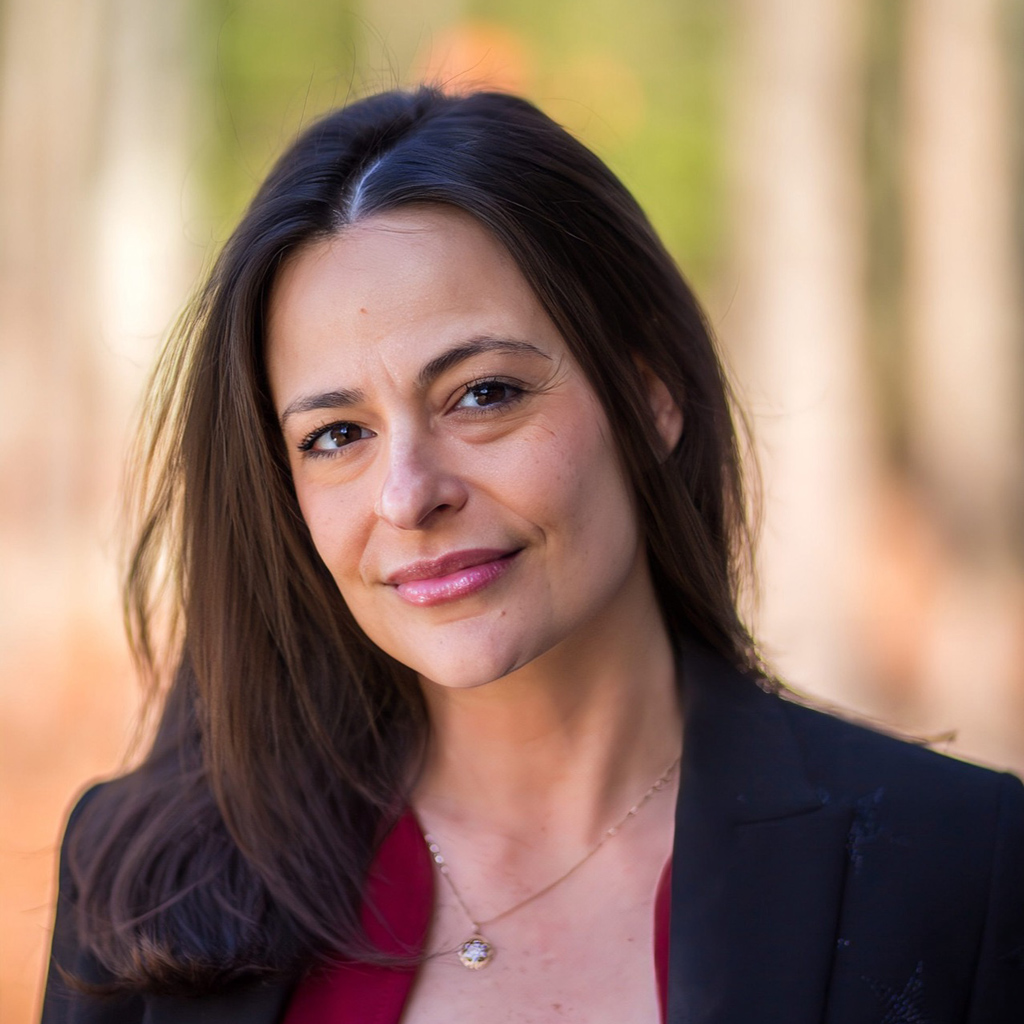
An accomplished public health expert specializing in science communication, Jessica Steier is committed to providing accurate, unbiased, and methodologically sound information to better the health of communities. Through her podcast and other public avenues, she strives to connect citizens with accurate evidence about the forces that affect all of our lives.

Over the course of a career that spans the private sector and academia, she has been dedicated to providing data-driven solutions in real-world environments and communicating the importance of “old school” scientific values in contemporary education and public discourse. She is the CEO of Vital Statistics Consulting, which specializes in health program and policy evaluation using data science and advanced analytics, and the founder of Unbiased Science, a social media platform dedicated to translating complex scientific concepts into everyday language.


Heidi Miller, MD

Chief medical officer; Missouri Department of Health and Senior Services
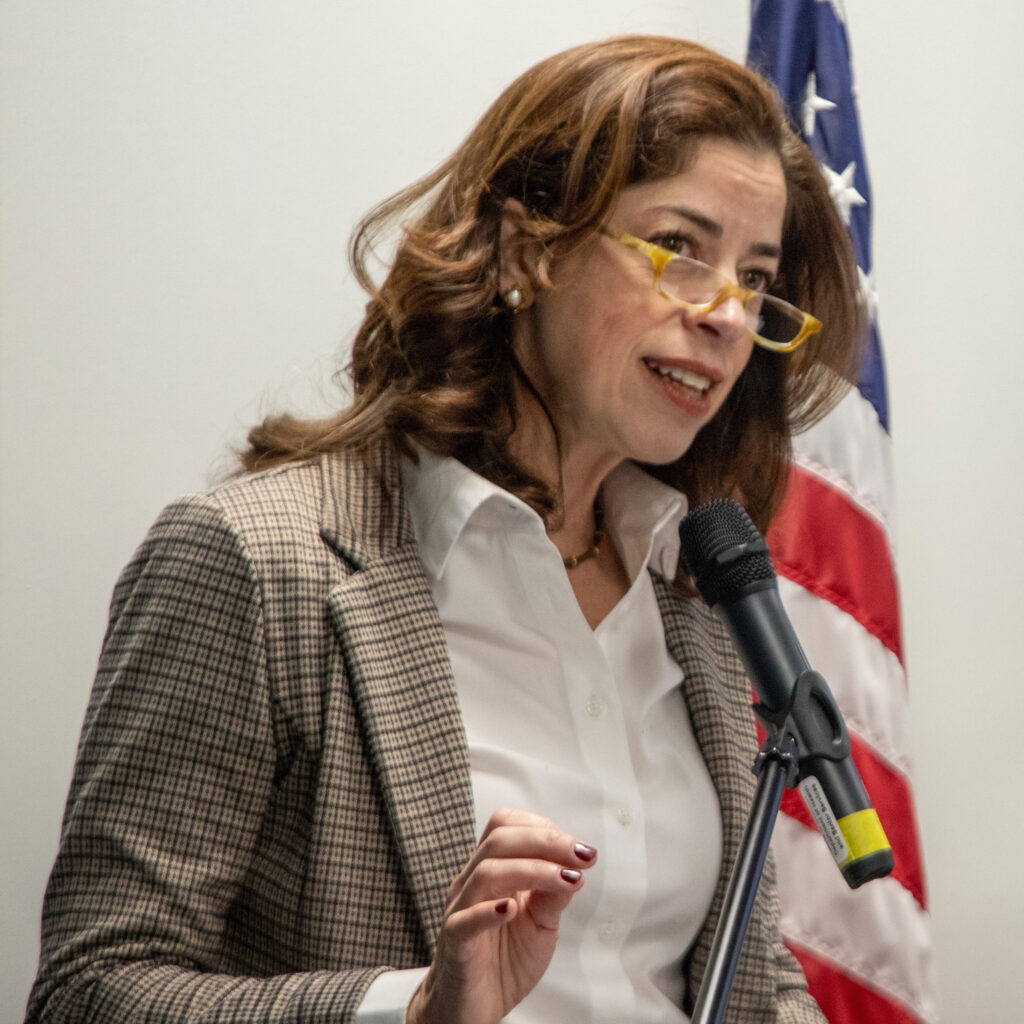
Dr. Miller provides clinical and strategic input to the Missouri Department of Health and Senior Services, while fortifying public health policies and programming across the state. Unifying and optimizing the integration of public health, population health, and health-care delivery efforts statewide have been her highest priorities.

Dr. Miller maintains her primary care practice at a Federally Qualified Health Center, Family Care Health Centers. She previously worked as the medical director for the St. Louis Integrated Health Network and the Regional Health Commission, as well as a consultant for the Missouri Primary Care Association and Missouri Medicaid. She trained at Yale University and Harvard Medical School, and she completed her residency in internal medicine at Harvard’s Brigham and Women’s Hospital.

 

Speakers and panelists

Ross Brownson, PhD
Moderator
An expert in chronic disease prevention and implementation science, Brownson is a global leader in the field of evidence-based public health. He directs the Prevention Research Center at WashU; has led numerous research and training projects; and is a co-leader of the Prevention and Control Program at Siteman Cancer Center.
David Carter, PhD
Panelist
Carter's research is in the field of international relations, with a focus on interstate conflict substate political violence. His recent published work explores territoriality and conflict and how the historical legacies of boundary institutions shape patterns of conflict and cooperation among states. He is working on a project that uses new digital maps of secessionist groups’ territorial claims to understand where and why these groups directly attack government forces versus civilian targets.
Sandro Galea, MD, DrPH
Speaker
Dr. Galea, the inaugural dean of WashU School of Public Health, has been named an epidemiology innovator by Time, a top voice in health care by LinkedIn, and is one of the most cited social scientists in the world. His writing and work are featured regularly in national and global public media. A native of Malta, he has served as a field physician for Doctors Without Borders and has held academic and leadership positions at Boston University, Columbia University, University of Michigan, and the New York Academy of Medicine.
Elvin Geng, MD, MPH
Moderator
Dr. Geng, in the Division of Infectious Diseases at WashU Medicine, focuses on person-centered public health and improving engagement in HIV services across diverse global settings, using social science methods and experimental and observational designs. He leads a research enterprise with collaborations in the U.S., Europe, and sub-Saharan Africa. He also directs the NIH-funded Midwest Developmental Center for AIDS Research and serves in advisory roles with the WHO.
Mark Huffman, MD, MPH
Panelist
Dr. Huffman is a practicing cardiologist, researcher, and educator with more than 15 years of experience in global cardiovascular disease epidemiology, dissemination and implementation science, clinical trials, and health policy research and training. His research seeks to improve global cardiovascular health and health care in low- and middle-income countries and to bring lessons learned back to the United States.
Maura Kepper, PhD
Panelist
Kepper's research focuses on transforming care for individuals living with or at risk for multiple chronic conditions. Her work engages patients, families, clinicians and community partners to design interventions that deliver personalized, context-aware care across clinical and community settings. She co-directs the Health Design and Impact Lab and works with WashU’s Prevention Research Center and the Institute for Informatics, Data Science & Biostatistics.
Tyrell Manning, BSPH
Panelist
Manning leads citywide efforts to reduce the transmission of HIV and sexually transmitted diseases (STIs), through community-centered prevention strategies, public health programming, and cross-sector partnerships. His work focuses on improving access to prevention services, advancing health equity, and strengthening trust between public health systems and the communities they serve.
Byron Powell, PhD
Speaker
Powell’s work focuses on improving the quality of behavioral health services by strengthening organizational and system capacity to implement evidence-based practices. His research is aimed at identifying contextual barriers and facilitators to implementing evidence-based practices in routine care, assessing the effectiveness of implementation strategies, developing methods for designing and tailoring implementation strategies, and advancing implementation research methods.
Spring Schmidt, PhD, MPH
Panelist
Schmidt works to implement Missouri Public Health Institute’s 2022-2025 strategic plan. She also holds an appointment as director of the Office of Public Health Practice at the Saint Louis University College for Public Health and Social Justice. Her roles allow her to advocate for the practice of public health in Missouri to students, faculty, staff, and others. She also works with partners and stakeholders to transform Missouri’s public health system and improve public health service delivery.