
Loading Events
Wednesday
January 21,  2026

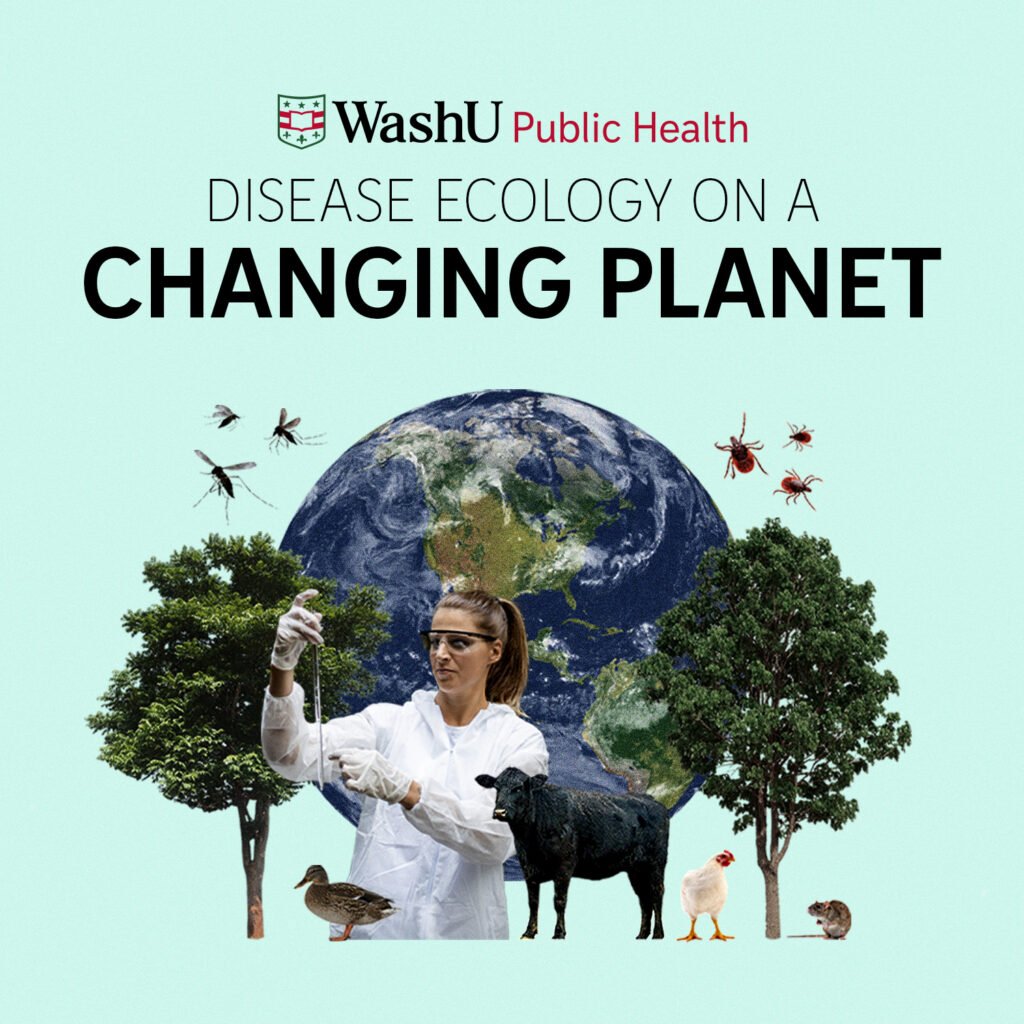
Disease Ecology on a Changing Planet

6350 Forsyth Blvd, St. Louis, MO 63105
9:00 am - 1:00 pm
The event will bring together academics, clinicians, policymakers, and community leaders to explore the role climate change plays in reshaping patterns of infectious disease, and why coordinated, multisectoral collaborations are essential to build future readiness.

At WashU and online

Disease Ecology on a Changing Planet is the inaugural convening of WashU School of Public Health’s Solutions through Planetary Health Research (SPHERE) research network. The event will bring together academics, clinicians, policymakers, and community leaders to explore the role climate change plays in reshaping patterns of infectious disease, and why coordinated, multisectoral collaborations are essential to build future readiness. The event’s keynote speakers are Bard College professor and ecologist Felicia Keesing, PhD, winner of the 2022 International Cosmos Prize; and Conservation International epidemiologist Neil Vora, MD, a noted advocate for preventing future pandemics. Join them and other experts as they discuss the research, policy frameworks, and community-based approaches needed to advance innovative strategies that prevent pandemics, protect biodiversity, and build healthier, more resilient communities and ecosystems.

The event is free and open to the public. The talks and panels end at noon; in-person attendees are invited to stay for a networking lunch with speakers and panelists. Registration is required.

See here for a story previewing the event: The changing landscape of disease on a warming planet

Agenda

8:15 a.m. — 9:00 a.m.
Registration & coffee
9:00 a.m. — 9:10 a.m.
Welcome & opening remarks

Speaker

  • Dan Giammar
9:10 a.m. — 9:55 a.m.
Keynote 1

Presenter

  • Felicia Keesing


9:55 a.m. — 10:35 a.m.
Panel 1: Interconnected Health: Linking Human, Animal, and Environmental Health

This panel explores the systems, data, and ecological interactions that shape disease emergence and transmission. Panelists bring perspectives from disease ecology, wildlife health, systems science, and medical research to explore how we can be prepared for understand when and where new zoonotic diseases are likely to emerge, and why as well as strategies to reduce human and wildlife disease risk and conserve biodiversity.

Moderator

  • Jonathan Losos

Panelists

  • Felicia Keesing
  • Christina Stallings
  • Solny Adalsteinsson
  • Ram K. Raghavan
10:35 a.m. — 10:50 a.m.
Break
10:50 a.m. — 11:30 a.m.
Keynote 2

Presenter

  • Neil Vora
11:30 a.m. — 12:10 p.m.
Panel 2: From Insight to Impact: Translating Disease Ecology Research into Policy and Practice

This panel examines how to translate research in disease ecology to inform real-world decision-making. Panelists will discuss pathways for translating evidence into effective public health strategies, policy approaches, entrepreneurial opportunities and community-level interventions.

Moderator

  • Dave Wang

Panelists

  • Neil Vora
  • Nandini Raghuraman
  • Mati Hlatshwayo Davis
  • Doug Luke
12:10 p.m. — 12:20 p.m.
Closing remarks

Speaker

  • Dan Giammar
12:20 p.m. — 1:00 p.m.
Networking lunch

Speakers

Felicia Keesing, PhD
Keynote speaker
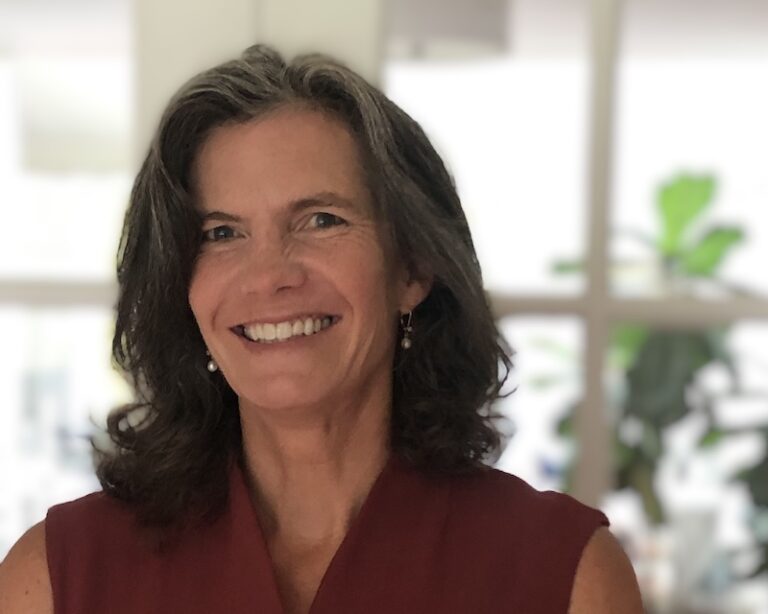
Felicia Keesing is the David and Rosalie Rose Distinguished Professor of Science, Mathematics, and Computing at Bard College. Dr. Keesing is a biologist who studies the consequences of interactions among species, particularly as biodiversity declines. Her recent work focuses on how biodiversity influences the probability that humans and other animals will be exposed to infectious diseases. Keesing is an elected fellow of the Ecological Society of America and the American Association for the Advancement of Science. In 2022, she received the International Cosmos Prize, and in 2023, she was awarded a Guggenheim Fellowship. In 2024, she received the C. Hart Merriam award for distinguished research in the study of mammals. 

Neil Vora, MD
Keynote speaker
Neil Vora, a physician and conservationist, serves as the executive director of Preventing Pandemics at the Source Coalition, and senior adviser for One Health at Conservation International, where he works to address the interconnected challenges of human health, environmental protection, and climate change. Dr. Vora brings experience from nearly a decade with the U.S. Centers for Disease Control and Prevention, where he led responses to outbreaks including Ebola disease in Liberia and the Democratic Republic of the Congo, and a novel poxvirus in the country of Georgia. In 2020, he was appointed by New York City Mayor Bill de Blasio to design and lead the city’s COVID-19 contact-tracing program, which reached more than 700,000 New Yorkers. He co-chairs the Lancet/PPATS Commission on Prevention of Viral Spillover and cares for patients in a public tuberculosis clinic in New York City.