
Generalist PhD concentration
The Generalist doctoral concentration provides an opportunity for students to select from a wide variety of courses and mentored research opportunities related to their own specialized focus area.
Concentration details
Students choosing the Generalist concentration select coursework and build a team of faculty mentors who support their specialized focus area. Coursework and mentorship experiences within this concentration prepare students to meet the following competencies:
- Design and conduct independent research in a specialized focus area within public health and demonstrate mastery of that area.
- Understand and apply a range of study designs, research methods and approaches to data management and analysis commonly used in public health and in the specialized focus area.
- Evaluate scientific literature in public health and the specialized focus area critically but fairly and identify gaps that need to be addressed.
PhD students complete the Generalist concentration by completing related coursework, getting involved in the various training opportunities at WashU, and conducting mentored dissertation research that contributes to their area of focus.
Mentored dissertation research
Students identify faculty mentors whose scholarship aligns with their specialized focus area. Typically, these faculty members will supervise the completion of an area statement and qualifying exam. After finishing the required doctoral coursework and milestones, students conduct dissertation research under the mentorship of faculty working in their focus area.
Coursework
Students choose at least three doctoral courses selected to align with their specialized focus area as part of their PhD requirements in the first two years in the program. Courses selected from within and outside of the School of Public Health may focus on methodological approaches, e.g.:
PHEL 6005
Applied Machine Learning Using Health Data
BSDC 8017
Mixed Methods Research: Foundations & Applications
BSDC 8008
Structural Equation Modeling
Courses may also focus on substantiative domains, e.g.:
BSDC 8018
Designing for Dissemination, Implementation & Sustainability: How to Maximize Impact and Equity
PHS 5212
Introduction to Health Disparities and the Structural and Social Determinants of Health
PHEL 6003
Translating Epidemiology into Policy
Students also have the option of creating an independent study course to replace one of the courses, allowing for further individualization beyond the content of the courses available.
Students must complete at least three courses (9 credits).
Process
Students identify faculty mentors whose scholarship aligns with their specialized focus area. Typically, these faculty members will supervise the completion of an area statement and qualifying exam. After finishing the required doctoral coursework and milestones, students conduct dissertation research under the mentorship of faculty working in their focus area.
Concentration lead
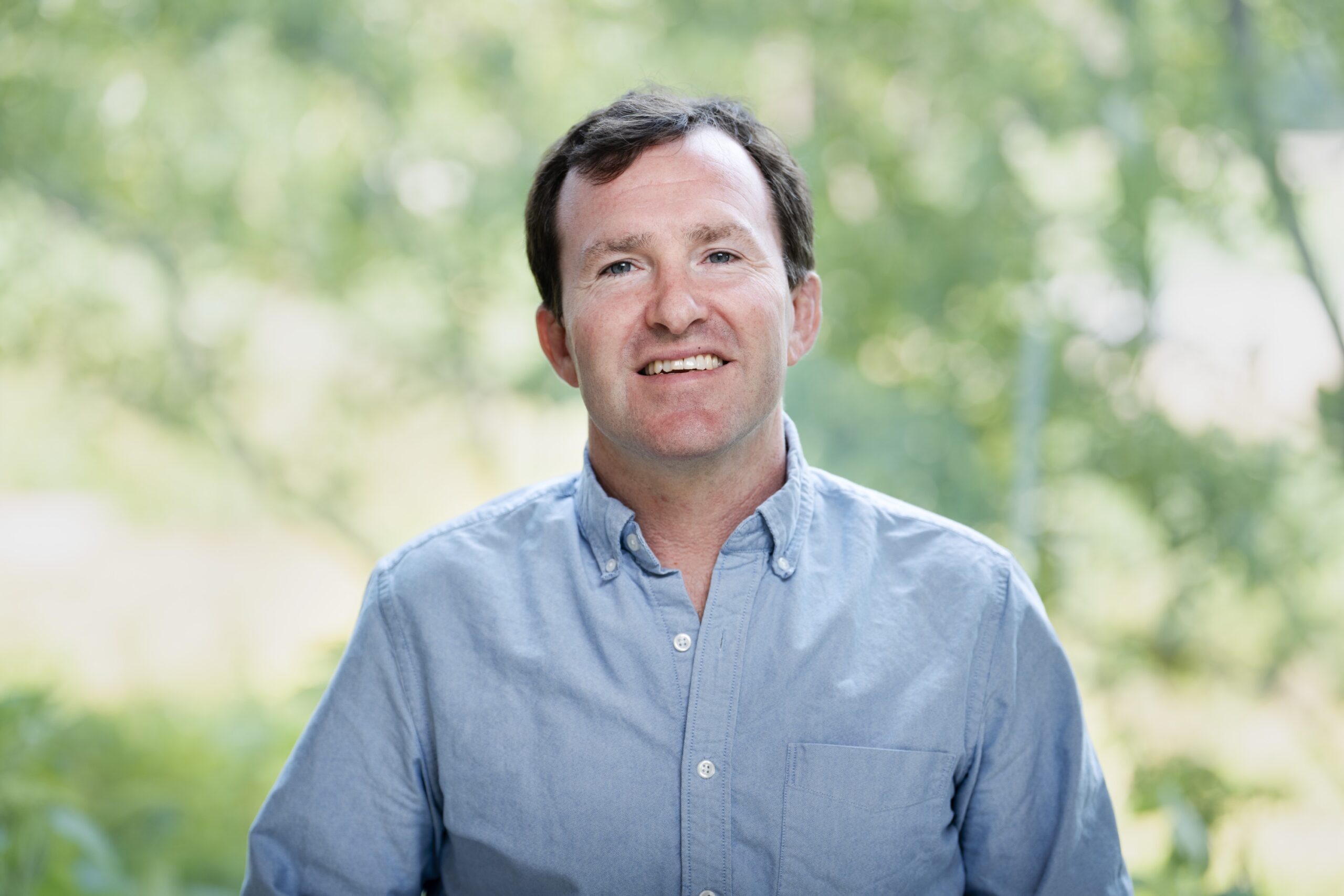
Patrick J. Fowler, PhD, aims to prevent homelessness and its deleterious effects on child, family, and community well-being through his research. Trained in child clinical-community psychology, Fowler uses innovative methods that rigorously investigate policies and programs intended to promote housing and family stability. Recent research focuses on cross-system collaborations to prevent child maltreatment associated with family homelessness, as well as youth homelessness in the transition from foster care to adulthood.
Apply now
At WashU School of Public Health, we are reimagining public health and working to move the field forward at one of the most impactful moments of our time. Become part of our academic community, where we are dedicated to addressing the world’s most urgent public health challenges.