
Global Health concentration
Overview
The Global Health concentration prepares students to confront complex issues primarily impacting resource-poor populations around the world.
Understanding and confronting global health issues often requires transdisciplinary approaches that integrate multiple sectors working together for creative solutions. Strategies focus on vulnerable groups such as pregnant and lactating women, infants, young children, adolescents, internally displaced persons, refugees, persons with disabilities and older adults.
The concentration provides students with knowledge about major infectious and chronic diseases, as well as other health conditions. Students learn to deconstruct and analyze mainstream development discourse and develop a context-specific understanding of the root causes that lead to health outcomes. Students also create program and policy solutions to address global health problems.

Concentration requirements
This concentration requires 15 credits, consisting of:
- Global Health (3 credits)
- Transdisciplinary problem solving course (3 credits)
- Policy, Politics and Power in Global Health (3 credits)
- One elective course (3 credits)
- Practicum with a global-health focus (3 credits)
Transdisciplinary problem solving course options include:
- TPS: Global Hunger & Undernutrition
- TPS: Implementing Public Health Interventions in Developing Countries (taught abroad)
- TPS: International Family Planning and Reproductive Health
- TPS: Protection of Women and Children in Humanitarian Settings
Global health-focused electives include:
- International Social Development Theory
- Global Anti-Poverty Interventions
- Development Practice in International Settings
- Global Burden of Disease
- International Child Welfare
In addition, students are strongly encouraged to choose global health-related skill labs.
Practicum
Students in the Global Health concentration must complete their practicum experience in a low- or middle-income country. Students who enter the concentration with at least one year of experience in a low- or middle-income country may pursue their global health-focused practicum within a high-income setting such as the U.S. that has been approved as a core affiliated site. Students in this concentration have completed practica at sites such as:
- International Center for Child Health and Development (ICHAD) at the Brown School
- Maji Safi Group – Tanzania
- Vitendo4Africa
- E3 Nutrition Lab
Concentration chair
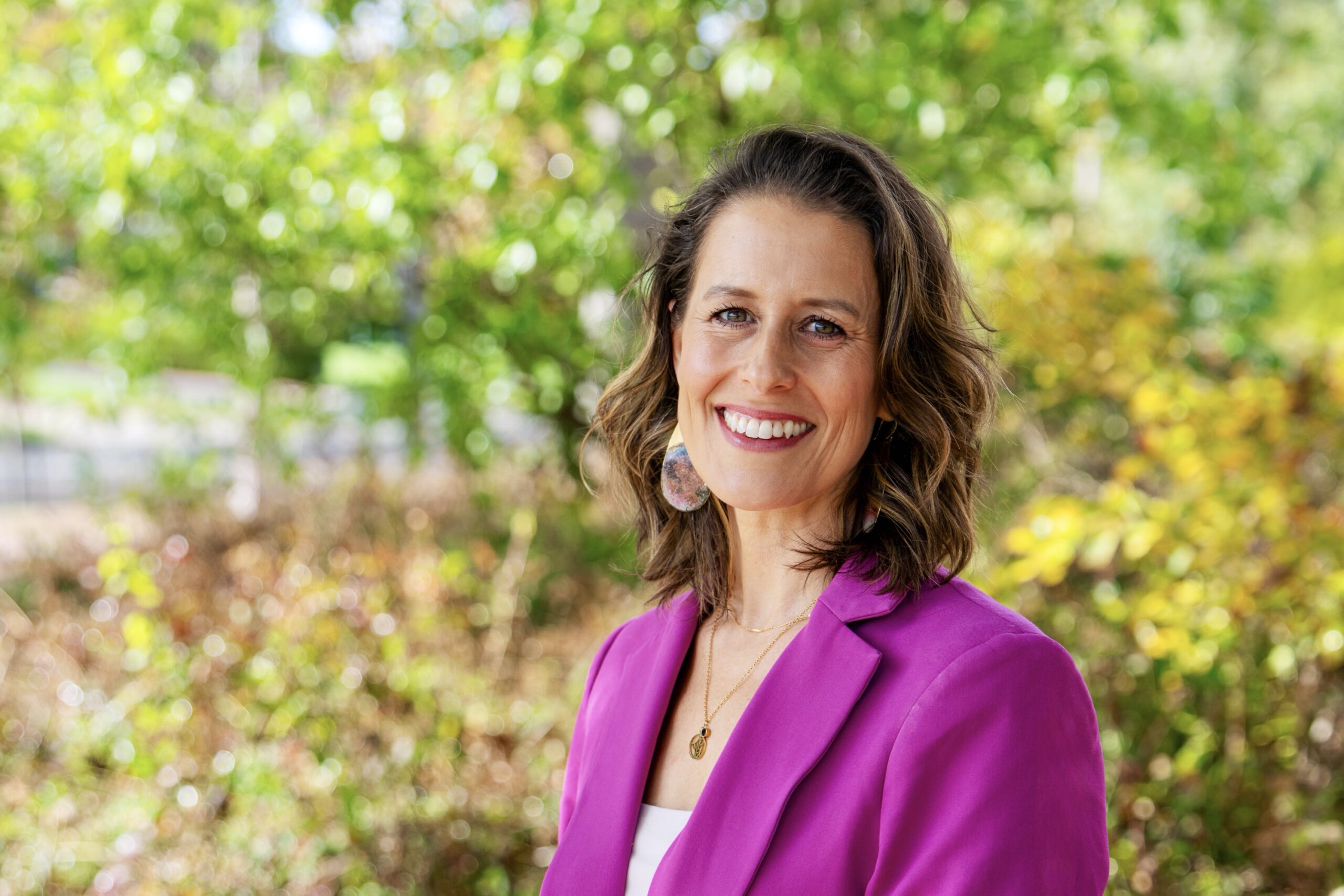
Jessica Backman-Levy, PhD, a professor of practice at WashU Public Health, investigates how to best measure and operationalize the ways in which gender dynamics influence global health and development. Currently, her work is based in Jordan on a project that aims to improve gender equality and family planning outcomes.
Apply now
At WashU School of Public Health, we are reimagining public health and working to move the field forward at one of the most impactful moments of our time. Become part of our academic community, where we are dedicated to addressing the world’s most urgent public health challenges.