
Epidemiology and Biostatistics concentration
Overview
The Epidemiology and Biostatistics concentration exposes students to a wide range of quantitative data analysis methods and skills. Students develop the skills to understand and participate in the design, analysis, and interpretation of public health studies, and to translate public-health evidence into policy and practice effectively.
This concentration offers training for careers focusing on collection and analysis of a wide range of health-related data. Students acquire skills using multiple software tools to analyze public health data, including SAS, SPSS, Stata and R. In addition, the increasing availability of digital data resulting from innovations in medical and biological informatics will provide a wealth of new opportunities for students graduating with this concentration.

Concentration requirements
This concentration requires 15 credits, consisting of:
- Advanced Applied Linear Modeling (3 credits)
- Epidemiology Methods (3 credits)
- Advanced Data Analysis (3 credits)
- One elective course (3 credits)
- Practicum with an epidemiology or biostatistics focus (3 credits)
Elective options include:
- Translation of Epidemiology to Policy
- Global Burden of Disease: Methods and Applications
- Epidemiology of Mental and Substance Use Disorders
- Survival Analysis
- Structural Equation Modeling
- Health & Place: Spatial Thinking & Applied Methods
- Applied Machine Learning Using Health Data
In addition, students are strongly encouraged to choose an epidemiology or biostatistics-related skill lab on a topic such as data management or statistical software training.
Practicum
Students in the biostatistics and epidemiology concentration have completed practica at sites such as:
- WashU Medicine
- BJC Healthcare
- Centers for Disease Control and Prevention
- Cancer Epidemiology Education in Special Populations (CEESP) Program at the City University of New York
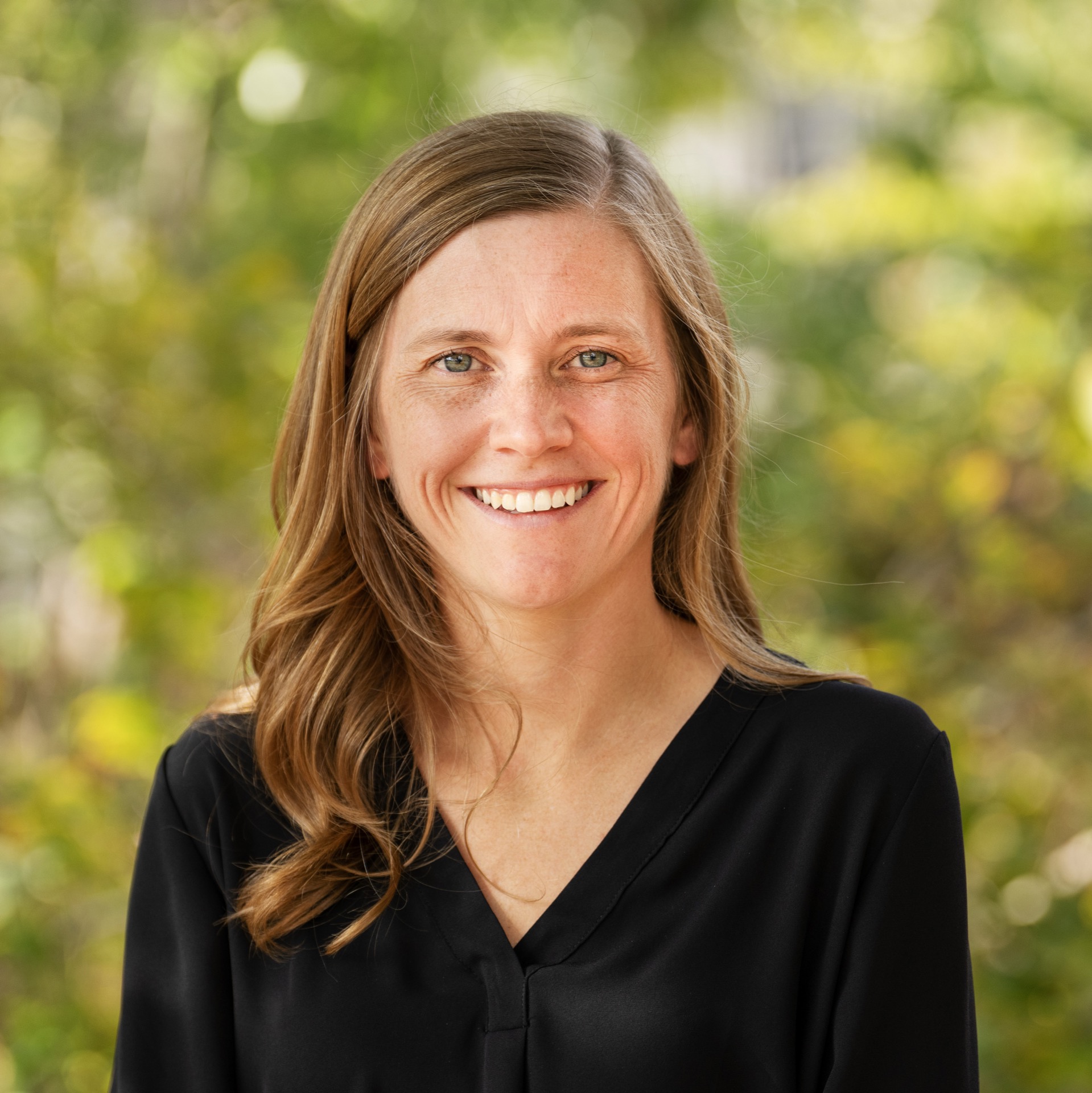
Concentration chair
Sara Malone’s research is dedicated to ensuring that all children have access to the highest quality of care. She leads a team that designs and evaluates interventions to enhance health care and improve outcomes for children admitted to the hospital, particularly in acute and emergency situations.
Apply now
At WashU School of Public Health, we are reimagining public health and working to move the field forward at one of the most impactful moments of our time. Become part of our academic community, where we are dedicated to addressing the world’s most urgent public health challenges.